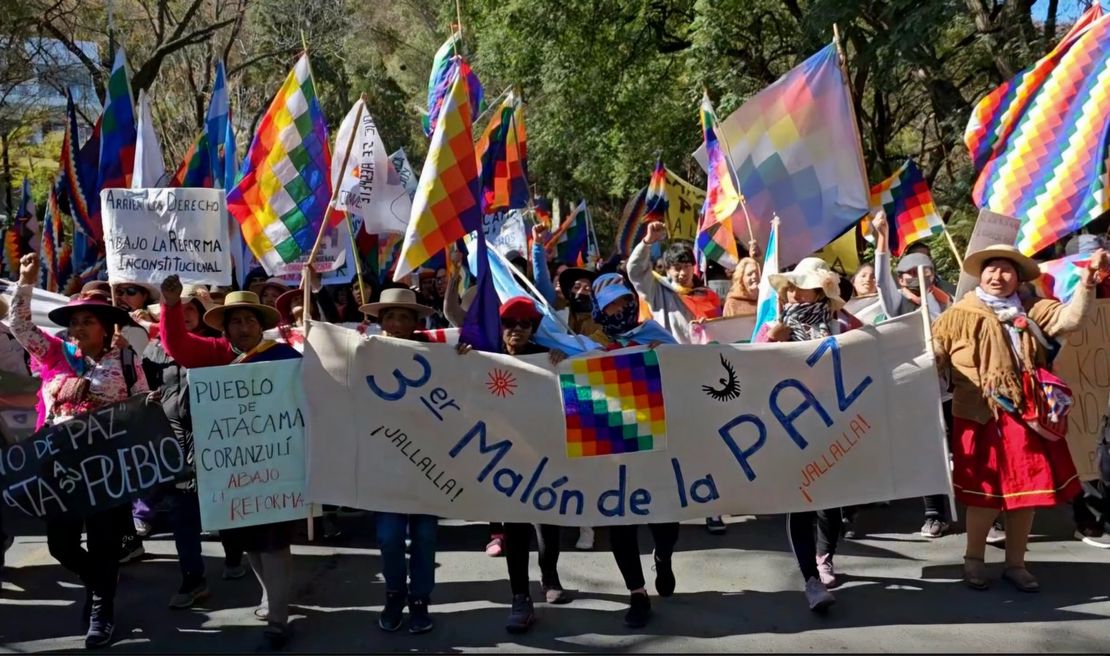
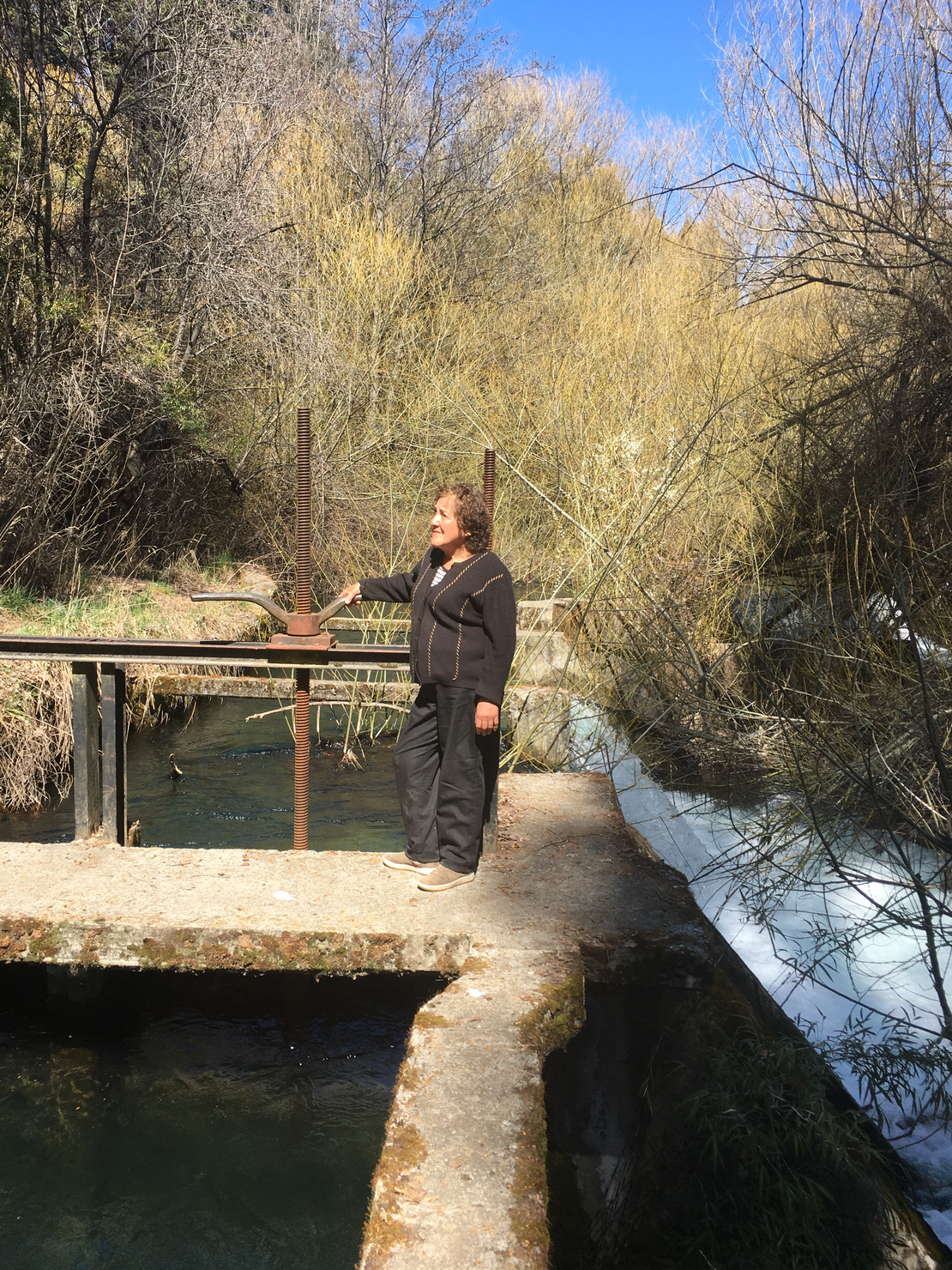
In 2003, the Municipality of Villa Pehuenia was established in the Department of Aluminé, Neuquén Province, Argentina, on Mapuche territory without the due process of prior, free, and informed consultation with the Lof Catalán and Lof Puel communities, constituting a legal dispossession. Together with the Mapuche Confederation of Neuquén, the Lof Catalán filed a lawsuit in 2004 challenging the constitutionality of the municipality’s creation, and in 2021, the Supreme Court of Justice of the Nation ruled against the Province of Neuquén. This video highlights the characteristics of this process through the voice of werken Juana Jara and the realization of the Workshop on Legal Dispossession, coordinated with the Indigenous Peoples’ Human Rights Observatory. The political, territorial, economic, and socio-environmental damages resulting from the dispossession remain evident, but so does the collective construction of strategies and proposals in the pursuit of reparations.
Produced by Observatorio de Derechos Humanos de Pueblos Indígenas (Argentina, 2024)
Citação
Observatorio de Derechos Humanos de Pueblos Indígenas (ODHPI).
2024.
'Voices: The Road from Dispossession to Reparation'. Despossessões nas Américas.
https://dia.upenn.edu/en/content/CabrapanM001/
Texto não disponível em Português.
Lendo em Espanhol
En el año 2003 se creó el Municipio de Villa Pehuenia en el Departamento de Aluminé, provincia de Neuquén, Argentina, sobre territorio mapuche sin el debido proceso de consulta previa, libre e informada a los Lof Catalán y Lof Puel, lo que implicó un despojo jurídico. Junto a la Confederación Mapuche de Neuquén el Lof Catalán demandó en el año 2004 la inconstitucionalidad de la creación del municipio y la Corte Suprema de Justicia de la Nación condenó en el año 2021 a la Provincia de Neuquén. En este video presentamos las características que viene teniendo este proceso a través de la voz de la werken Juana Jara, y de la realización del Taller sobre Despojo Jurídico coordinado con el Observatorio de Derechos Humanos de Pueblos Indígenas. Los daños políticos, territoriales, económicos y socioambientales producto del despojo están latentes, pero también la construcción colectiva de estrategias y propuestas en el camino de búsqueda de reparación.
Producción: Observatorio de Derechos Humanos de Pueblos Indígenas (Argentina, 2024)
Citação
Observatorio de Derechos Humanos de Pueblos Indígenas (ODHPI).
2024.
'Voces: Camino del despojo a la reparación'. Despossessões nas Américas.
https://dia.upenn.edu/es/content/CabrapanM001/
Texto não disponível em Português.
Lendo em Inglês
In 2003, the Municipality of Villa Pehuenia was established in the Department of Aluminé, Neuquén Province, Argentina, on Mapuche territory without the due process of prior, free, and informed consultation with the Lof Catalán and Lof Puel communities, constituting a legal dispossession. Together with the Mapuche Confederation of Neuquén, the Lof Catalán filed a lawsuit in 2004 challenging the constitutionality of the municipality’s creation, and in 2021, the Supreme Court of Justice of the Nation ruled against the Province of Neuquén. This video highlights the characteristics of this process through the voice of werken Juana Jara and the realization of the Workshop on Legal Dispossession, coordinated with the Indigenous Peoples’ Human Rights Observatory. The political, territorial, economic, and socio-environmental damages resulting from the dispossession remain evident, but so does the collective construction of strategies and proposals in the pursuit of reparations.
Produced by Observatorio de Derechos Humanos de Pueblos Indígenas (Argentina, 2024)
Citação
Observatorio de Derechos Humanos de Pueblos Indígenas (ODHPI).
2024.
'Voices: The Road from Dispossession to Reparation'. Despossessões nas Américas.
https://dia.upenn.edu/pt/content/CabrapanM001/