Dispossesions in the Americas

Dispossesions in the Americas

  • Home
  • Explore
  • About
  • Authors
  • Art
  • Bodies
  • Curricula
  • Cultural Heritage
  • Maps
  • Territories
Back to Explore
Video 1992 - 2024

People of the Land: Indigenous Communities and Politics in Argentina and Chile

  • Falleti, Tulia G.

Published: 2021

Abstract

This video features interviews by undergraduate students from the University of Pennsylvania with eight Mapuche leaders and two Indigenous rights lawyers, addressing the following questions:

  • What does it mean to be Mapuche?

  • What is their relationship with the territory?

  • How are health and illness viewed from a Mapuche perspective?

  • What actions make them proudest?

  • What are their dreams for the Mapuche People?

This video is the final project of an undergraduate seminar I taught at the University of Pennsylvania in the first semester of 2021, during the Covid-19 pandemic, and therefore conducted via Zoom. It featured the participation of 16 undergraduate students, one doctoral student, and a teaching assistant (all listed at the end of the video). The leaders and lawyers interviewed were, in order of appearance in the video:

  • Lorena Bravo, Werkén of the Mapuche community Campo Maripé (Neuquén, Argentina)

  • Felipe Colipán, Werkén of the Consejo Zonal Wijice of the Confederación Mapuche de Neuquén

  • Gabriel Cherqui, Werkén of the Mapuche community Kaxipayiñ (Neuquén, Argentina)

  • Lorenzo Loncón, Werkén of the Mapuche community Paichil Antreao (Neuquén, Argentina)

  • Patricia Quintriqueo, Werkén of the Mapuche community Quintriqueo (Neuquén, Argentina)

  • Antonio Daniel Salazar, Lonko Lof Geygeiwal and Coordinator of the Consejo Zonal Pewence (Departament of Aluminé, Neuquén, Argentina)

  • Verónica Huilipán, Werkén of the Mapuche community Quintriqueo (Neuquén, Argentina)

  • Micaela Gomiz, lawyer, President of the Asociación de Abogados de Derecho Indígena (AADI, Argentina) and founding member of the Observatorio de Derechos Humanos de Pueblos Indígenas (ODHPI, Argentina)

  • Juan Manuel Salgado, lawyer specialized in Indigenous law, former judge, and founding member of the Observatorio de Derechos Humanos de Pueblos Indígenas (ODHPI, Argentina)

The main goal of the course was to comparatively study the organization of Indigenous communities and analyze their political demands regarding plurinationality, self-determination, territory, prior consultation, living well, and intercultural education and health, as well as the different ways in which States repress, ignore, or address such demands.

The units and lectures we studied were the following (listed in their original publication language):

Week 1: Introduction to the course and our community

  • Cote-Meek, Sheila. 2018. “We need to dismantle the systems that perpetuate discrimination: be prepared to stand up and speak up when you hear and see things that are inappropriate”, University Affairs.

Week 2: Decolonizing and Indigenizing the Academy

  • Wilson, Angela Cavender [or Wiziyataxin]. 2004. “Reclaiming Our Humanity: Decolonization and the Recovery of Indigenous Knowledge.” In Indigenizing the Academy, ed. A. C. o. W. Wilson and D. A. Mihesuah. Lincoln and London: University of Nebraska Press, 69-87.

  • Mihesuah, Joshua K. 2004. “Graduating Indigenous Students by Confronting the Academic Environment.” In Indigenizing the Academy, ed. D. A. Mihesuah and A. C. o. W. Wilson. Lincoln and London: University of Nebraska Press, 191-9.

The Canadian experience:

  • MacDonald, Moira. 2016. “Indigenizing the Academy,” University Affairs.

  • Henville, Letitia and Amie Wolf. 2019. “Decolonizing your grant application: to adopt a decolonizing approach, you’ll need to know what Indigenous sovereignty looks like”, University Affairs.

Week 3: Decolonizing and Indigenizing Political Science

  • De la Torre, Joely [or Proudfit Joely]. 2004. “A Critical Look at the Isolation of American Indian Political Practices in the Nonempirical Social Science of Political Science”. In Indigenizing the Academy. Transforming Scholarship and Empowering Communities, ed. D. A. Mihesuah and A. C. o. W. Wilson. Lincoln and London: University of Nebraska Press, 174-90.

  • Ferguson, Kennan. 2016. “Why does Political Science hate American Indians?” Perspective on Politics, Vol. 14 (4), 1029-1041. Available here and in Shared PennBox (SPB)

  • Falleti, Tulia G. 2020. “Invisible to Political Science: Indigenous Politics in a World in Flux,” review essay, Journal of Politics, Nov.

Weeks 4 and 5: The Uncomfortable Question: Who is an Indian?

  • Forte, Maximilian C. (ed.). 2013. Who is an Indian? Race, Place, and the Politics of Indigeneity in the Americas. Toronto, Buffalo, London: University of Toronto Press.

  • Couturier, Catherine. 2020. “Researchers examine the Growing phenomenon of “self-Indigenization”, University Affairs.

  • Bouchard, Michael et al. 2020. “We need a wider, more nuanced view of Métis diversity”, University Affairs.

Week 6: Research Methodologies and our Positionality

  • Kovach, Margaret. 2018. “Doing Indigenous Methodologies. A letter to a Research Class.” In The Sage Handbook of Qualitative Research. Fifth Edition, ed. N. K. Denzin and Y. S. Lincoln. Los Angeles: SAGE Publications Inc., 214-34.

  • Rodríguez-Garavito, César. 2014. “Amphibious Sociology: Dilemmas and possibilities of public sociology in a multimedia world.” Current Sociology Monograph 62 (2), 156-67.

About in-depth interviewing in political science, in contexts of conflict, and as a non-Indigenous researcher:

  • MacLean, Lauren M. 2013. “The Power of the Interviewer.” In Interview Research in Political Science, ed. L. Mosley. Ithaca and London: Cornell University Press, 67-83.

  • Reno, William. 2013. “The Problem of Extraterritorial Legality.” In Interview Research in Political Science, ed. L. Mosley. Ithaca and London: Cornell University Press, 159-78.

  • Falleti, Tulia G. 2024. “Studying Indigenous Peoples’ Politics: Recommendations for Non-Indigenous Researchers” in Cyr, Jennifer and Sara Wallace Goodman, Editors, Doing Good Qualitative Research, Oxford University Press, Chapter 24.

Week 7: Research with Indigenous communities and Ethical Issues

  • Video: El Etnógrafo (2012) by Ulises Rossell. (1 hour 26 minutes)

  • Tarducci, Mónica. 2013. “Abusos, mentiras y videos.” Desde el derecho (UNAM), 219-31.

  • Brooks, Sara M. 2013. “The Ethical Treatment of Human Subjects and the Institutional Review Board Process.” In Interview Research in Political Science, ed. L. Mosley. Ithaca and London: Cornell University, 45-66 and 246-8.

Week 8: The Conquest, Colonialism, and Development

  • Lange, Matthew, James Mahoney, and Matthias von Hau. 2006. “Colonialism and Development: A Comparative Analysis of Spanish and British Colonies.” American Journal of Sociology 111 (5), 1412-62.

  • Restall, Matthew. 2003. Seven Myths of the Spanish Conquest. Oxford and New York: Oxford University Press. Chapter 4 “Under the Lordship of the King. The Myth of Completion”, 64-76 and176-178.

Week 9: A subtle revolution: Indigenous Rights and Global Politics

  • Lightfoot, Sheryl. 2016. Global Indigenous Politics. A Subtle Revolution. New York: Routledge. Chapters 1 and 2 (pp. 1-71) and Chapters 3 and 8 (pp. 72-92 and 199-212).

  • Lafken: Historia de una Ley – (https://www.youtube.com/watch?v=gw4WvAW-Vu4 - 1 hour and 15minutes)

Week 10: Dispossessions of Land, Bodies, and Cultural Heritage: Argentina in Comparative Perspective

  • Delrio, Walter, Diana Lenton, Marcelo Musante, Mariano Nagy, Alexis Papazian, and Pilar Pérez. 2010. “Del silencio al ruido en la Historia. Prácticas genocidas y pueblos originarios en Argentina.” In III Seminario Internacional Políticas de la Memoria. Centro Cultural de la Memoria Haroldo Conti. Buenos Aires. Pdf available here.

  • Salgado, Juan Manuel, nd. “Estado, derecho y pueblos originarios. El pluralism jurídico,” lecture given at the Universidad Nacional de la Patagonia San Juan Bosco, Facultad de Ciencias Jurídicas, Filosofía del Derecho.

  • Falleti, Tulia G. et al. 2020 “Dispossessions in the Americas: The Extraction of Bodies, Land, and Cultural Heritage from La Conquista to the present”, Andrew W. Mellon Foundation Just Futures Initiative grant proposal narrative.

Week 11: The Mapuche People in Neuquén

  • Briones, Claudia. 2002. “We Are Neither and Ethnic Group Nor a Minority, but a Pueblo-Nación Originario. The Cultural Politics of Organizations with Mapuche Philosophy and Leadership.” In Contemporary Perspectives on the Native Peoples of Pampa, Patagonia, and Tierra del Fuego. Living on the Edge, ed. C. Briones and J. L. Lanata. Wesport, Connecticut and London: Bergin and Garvey, 101-20.

  • Salgado, Juan Manuel, Micaela María Gomiz, and Verónica Huilipan. 2010. “Informe de situación de los Derechos Humanos del Pueblo Mapuce en la Provincia del Neuquén, 2009-2010.” ed. ODPHI. Neuquén, Argentina/ Newken, Puel Mapu.

  • Sapag, Felipe, 1963. Discurso liminar del Gobernador del 12 de Octubre, accessible at: http://histneuq.blogspot.com/2010/07/el-12-de-octubre-de-1963-felipe-sapag.html

  • Sapag, Felipe, 1999. Discurso del Gobernador, 1 de mayo, accessible at: http://constitucionweb.blogspot.com/2012/03/mensaje-del-gobernador-de-neuquen_960.html

  • Decree 737/1964; of registry of indigenous communities of Neuquén and territorial claims.

  • Video: Verónica Huilipán en el Conversatorio TICCA-FAUB, Werken del Lof Kinxikew, June 5, 2020, https://www.youtube.com/watch?v=pNE-b1dyw3Y

Week 12 and 13: The Mapuche People in Vaca Muerta: Oil, Gas and Fracking

  • Falleti, Tulia G., and Thea Riofrancos. 2018. “Endogenous Participation: Strengthening Prior Consultation in Extractive Economies.” World Politics 70(1), 86-121.

  • Read also the following blogpost: https://kleinmanenergy.upenn.edu/news-insights/presidential-elections-and-fracking-in-argentina/

  • And check out the website of the Observatorio Petrolero Sur: https://opsur.org.ar/english/

Week 14: Indigenous land claims, tourism, and real-estate development

  • Kvme Felen / Plan de Vida, “El Buen Vivir desde el Territorio Mapuce. La experiencia de pu Lof Kintupuray, Kinxikew y Paicil Antriao. Villa la Angostura – Neuquén, Argentina, Puelmapu, Consejo Zonal Lafkenche.

  • Observatorio de Derechos Humanos de Pueblos Indígenas (ODHPI), 2013. Huellas y Senderos. Informe final de los resultados del relevamiento territorial histórico, social y cultural de la comunidad mapuce Lof Paichil Antriao, Neuquén, Puel Mapu (Argentina)

  • Arach, Adriano; Quintriqueo, Segundo, et al. sd. Plan de Ordenamiento Integral en la Comunidad Mapuce Lof Kinxikew en Jurisdicción del Parke Nacional Nahuel Huapi. Plan de trabajo equipo intercultural-interinstitucional-interdisciplinario.

Week 15: Territory, cultural heritage, and spiritual sites

  • Equipo Interdisciplinar e Intercultural del Proyecto. 2010. Propuesta para un Kvme Felen Mapuce, Neuquén, Argentina- Newken, Puel Mapu.

Week 16: Intercultural Health

  • Falleti, Tulia G., Santiago L. Cunial, Selene Bonczok Sotelo, and Favio Crudo. 2024. “State and NGO Coproduction of Health Care in the Gran Chaco,” World Development, 176, 19 pages.

Citation

Falleti, Tulia G.. 2021. 'People of the Land: Indigenous Communities and Politics in Argentina and Chile'. Dispossessions in the Americas. https://dia.upenn.edu/en/content/FalletiT006/

Reading in Spanish

Video 1992 - 2024

Gente de la Tierra: Comunidades Indígenas y política en Argentina y Chile

  • Falleti, Tulia G.

Published: 2021

Reading in Portuguese

Video 1992 - 2024

Povos da Terra: Indigeneidade e Política na Argentina e no Chile

  • Falleti, Tulia G.

Published: 2021

Resumo

Este vídeo conta com entrevistas realizadas por estudantes de graduação da Universidade da Pensilvânia com oito líderes mapuche e dois advogados de direitos indígenas, abordando as seguintes questões:

  • O que significa ser mapuche?

  • Qual é a relação deles com o território?

  • Como a saúde e a doença são vistas sob a perspectiva mapuche?

  • Quais ações os deixam mais orgulhosos?

  • Quais são os sonhos deles para o povo mapuche?

Este vídeo é o projeto final de um seminário de graduação que ministrei na Universidade da Pensilvânia no primeiro semestre de 2021, durante a pandemia de Covid-19, e, portanto, realizado via Zoom. Ele contou com a participação de 16 alunos de graduação, um aluno de doutorado e uma monitora (todos listados no final do vídeo). Os líderes e advogados entrevistados foram, por ordem de aparição no vídeo:

  • Lorena Bravo, Werkén da comunidade mapuche Campo Maripé (Neuquén, Argentina)

  • Felipe Colipán, Werkén do Consejo Zonal Wijice da Confederación Mapuche de Neuquén

  • Gabriel Cherqui, Werkén da comunidade mapuche Kaxipayiñ (Neuquén, Argentina)

  • Lorenzo Loncón, Werkén da comunidade mapuche Paichil Antreao (Neuquén, Argentina)

  • Patricia Quintriqueo, Werkén da comunidade mapuche Quintriqueo (Neuquén, Argentina)

  • Antonio Daniel Salazar, Lonko Lof Geygeiwal e coordenador do Consejo Zonal Pewence (Departamento de Aluminé, Neuquén, Argentina)

  • Verónica Huilipán, Werkén da comunidade mapuche Quintriqueo (Neuquén, Argentina)

  • Micaela Gomiz, advogada, Presidente da Asociación de Abogados de Derecho Indígena (AADI, Argentina) e membro-fundadora do Observatorio de Derechos Humanos de Pueblos Indígenas (ODHPI, Argentina)

  • Juan Manuel Salgado, advogado especializado em direito indígena, ex-juiz e membro fundador do Observatorio de Derechos Humanos de Pueblos Indígenas (ODHPI, Argentina)

O principal objetivo do curso foi estudar comparativamente a organização das comunidades indígenas e analisar suas reivindicações políticas relativas à plurinacionalidade, autodeterminação, território, consulta prévia, bem viver e educação e saúde interculturais, bem como as diferentes formas pelas quais os Estados reprimem, ignoram ou atendem a tais reivindicações.

As unidades e aulas que estudamos foram as seguintes (listadas no idioma original de publicação):

Semana 1: Introdução ao curso e à nossa comunidade

  • Cote-Meek, Sheila. 2018. “We need to dismantle the systems that perpetuate discrimination: be prepared to stand up and speak up when you hear and see things that are inappropriate”, University Affairs.

Semana 2: Descolonizando e Indigenizando a Academia

  • Wilson, Angela Cavender [or Wiziyataxin]. 2004. “Reclaiming Our Humanity: Decolonization and the Recovery of Indigenous Knowledge”. In Indigenizing the Academy, ed. A. C. o. W. Wilson e D. A. Mihesuah. Lincoln e Londres: University of Nebraska Press, 69-87.

  • Mihesuah, Joshua K. 2004. “Graduating Indigenous Students by Confronting the Academic Environment”. In Indigenizing the Academy, ed. D. A. Mihesuah e A. C. o. W. Wilson. Lincoln and London: University of Nebraska Press, 191-9.

A experiência canadense:

  • MacDonald, Moira. 2016. “Indigenizing the Academy”, University Affairs.

  • Henville, Letitia e Amie Wolf. 2019. “Decolonizing your grant application: to adopt a decolonizing approach, you’ll need to know what Indigenous sovereignty looks like”, University Affairs.

Semana 3: Descolonizando e Indigenizando a Ciência Política

  • De la Torre, Joely [or Proudfit Joely]. 2004. “A Critical Look at the Isolation of American Indian Political Practices in the Nonempirical Social Science of Political Science”. In Indigenizing the Academy. Transforming Scholarship and Empowering Communities, ed. D. A. Mihesuah e A. C. o. W. Wilson. Lincoln and London: University of Nebraska Press, 174-90.
  • Ferguson, Kennan. 2016. “Why does Political Science hate American Indians?”. Perspective on Politics, Vol. 14 (4), 1029-1041. Disponível aqui e no Shared PennBox (SPB)

  • Falleti, Tulia G. 2020. “Invisible to Political Science: Indigenous Politics in a World in Flux”, ensaio de revisão, Journal of Politics, Nov.

Semanas 4 e 5: A Pergunta Incômoda: Quem é um Indígena?

  • Forte, Maximilian C. (ed.). 2013. Who is an Indian? Race, Place, and the Politics of Indigeneity in the Americas. Toronto, Buffalo, Londres: University of Toronto Press.
  • Couturier, Catherine. 2020. “Researchers examine the Growing phenomenon of “self-Indigenization”, University Affairs.

  • Bouchard, Michael et al. 2020. “We need a wider, more nuanced view of Métis diversity”, University Affairs.

Semana 6: Metodologias de Pesquisa e nossa Posicionalidade

  • Kovach, Margaret. 2018. “Doing Indigenous Methodologies. A letter to a Research Class”. In The Sage Handbook of Qualitative Research. Fifth Edition, ed. N. K. Denzin e Y. S. Lincoln. Los Angeles: SAGE Publications Inc., 214-34.

  • Rodríguez-Garavito, César. 2014. “Amphibious Sociology: Dilemmas and possibilities of public sociology in a multimedia world”. Current Sociology Monograph 62 (2), 156-67.

Sobre entrevistas em profundidade na ciência política, em contextos de conflito e como pesquisador não indígena:

  • MacLean, Lauren M. 2013. “The Power of the Interviewer”. In Interview Research in Political Science, ed. L. Mosley. Ithaca e Londres: Cornell University Press, 67-83.

  • Reno, William. 2013. “The Problem of Extraterritorial Legality”. In Interview Research in Political Science, ed. L. Mosley. Ithaca e Londres: Cornell University Press, 159-78.

  • Falleti, Tulia G. 2024. “Studying Indigenous Peoples’ Politics: Recommendations for Non-Indigenous Researchers” in Cyr, Jennifer e Sara Wallace Goodman, Editoras, Doing Good Qualitative Research, Oxford University Press, Capítulo24.

Semana 7: Pesquisa com comunidades indígenas e Questões Éticas

  • Vídeo: El Etnógrafo (2012) por Ulises Rossell (1 hora e 26 minutos).

  • Tarducci, Mónica. 2013. “Abusos, mentiras y videos”. Desde el derecho (UNAM), 219-31.

  • Brooks, Sara M. 2013. “The Ethical Treatment of Human Subjects and the Institutional Review Board Process”. In Interview Research in Political Science, ed. L. Mosley. Ithaca e Londres: Cornell University, 45-66 and 246-8.

Semana 8: A Conquista, Colonialismo e Desenvolvimento

  • Lange, Matthew, James Mahoney e Matthias von Hau. 2006. “Colonialism and Development: A Comparative Analysis of Spanish and British Colonies”. American Journal of Sociology 111 (5), 1412-62.

  • Restall, Matthew. 2003. Seven Myths of the Spanish Conquest. Oxford e Nova Iorque: Oxford University Press. Capítulo 4 “Under the Lordship of the King. The Myth of Completion”, 64-76 e 176-178.

Semana 9: Uma revolução sutil: Direitos Indígenas e Política Global

  • Lightfoot, Sheryl. 2016. Global Indigenous Politics. A Subtle Revolution. Nova Iorque: Routledge. Capítulos 1 e 2 (pp. 1-71) e Capítulos 3 e 8 (pp. 72-92 e 199-212).

  • Lafken: Historia de una Ley – (https://www.youtube.com/watch?v=gw4WvAW-Vu4 - 1 hora e 15 minutos)

Semana 10: Desapropriações de Terras, Corpos e Patrimônio Cultural: a Argentina em Perspectiva Comparada

  • Delrio, Walter, Diana Lenton, Marcelo Musante, Mariano Nagy, Alexis Papazian e Pilar Pérez. 2010. “Del silencio al ruido en la Historia. Prácticas genocidas y pueblos originarios en Argentina”. In III Seminario Internacional Políticas de la Memoria. Centro Cultural de la Memoria Haroldo Conti. Buenos Aires. PDF disponível aqui.

  • Salgado, Juan Manuel, s.d. “Estado, derecho y pueblos originarios. El pluralism jurídico”, palestrada ministrada na Universidad Nacional de la Patagonia San Juan Bosco, Facultad de Ciencias Jurídicas, Filosofía del Derecho.

  • Falleti, Tulia G. et al. 2020 “Dispossessions in the Americas: The Extraction of Bodies, Land, and Cultural Heritage from La Conquista to the present”, Narrativa da proposta de financiamento da iniciativa Just Futures da Fundação Andrew W. Mellon.

Semana 11: O Povo Mapuche em Neuquén

  • Briones, Claudia. 2002. “We Are Neither an Ethnic Group Nor a Minority, but a Pueblo-Nación Originario. The Cultural Politics of Organizations with Mapuche Philosophy and Leadership”. In Contemporary Perspectives on the Native Peoples of Pampa, Patagonia, and Tierra del Fuego. Living on the Edge, ed. C. Briones e J. L. Lanata. Wesport, Connecticut e Londres: Bergin and Garvey, 101-20.

  • Salgado, Juan Manuel, Micaela María Gomiz e Verónica Huilipan. 2010. “Informe de situación de los Derechos Humanos del Pueblo Mapuche en la Provincia del Neuquén, 2009-2010”. ed. ODPHI. Neuquén, Argentina/ Newken, Puel Mapu.

  • Sapag, Felipe, 1963. Discurso de abertura do Governador em 12 de outubro, disponível em: http://histneuq.blogspot.com/2010/07/el-12-de-octubre-de-1963-felipe-sapag.html

  • Sapag, Felipe, 1999. Discurso do Governador, 1º de maio, disponível em: http://constitucionweb.blogspot.com/2012/03/mensaje-del-gobernador-de-neuquen_960.html

  • Decreto 737/1964; do registro de comunidades indígenas de Neuquén e reivindicações territoriais.

  • Vídeo: Verónica Huilipán in Conversatorio TICCA-FAUB, Werken of Lof Kinxikew, 5 de junho de 2020, https://www.youtube.com/watch?v=pNE-b1dyw3Y

Semanas 12 e 13: O Povo Mapuche em Vaca Muerta: Óleo, Gás e Fraturamento Hidráulico

  • Falleti, Tulia G. e Thea Riofrancos. 2018. “Endogenous Participation: Strengthening Prior Consultation in Extractive Economies”. World Politics 70(1), 86-121.

  • Ler também a seguinte publicação no blog: https://kleinmanenergy.upenn.edu/news-insights/presidential-elections-and-fracking-in-argentina/

  • E conferir o website do Observatorio Petrolero Sur: https://opsur.org.ar/english/

Semana 14: Reivindicações de terras indígenas, turismo e desenvolvimento imobiliário

  • Kvme Felen / Plan de Vida, “El Buen Vivir desde el Territorio Mapuce. La experiencia de pu Lof Kintupuray, Kinxikew y Paicil Antriao”. Villa la Angostura – Neuquén, Argentina, Puelmapu, Consejo Zonal Lafkenche.

  • Observatorio de Derechos Humanos de Pueblos Indígenas (ODHPI), 2013. Huellas y Senderos: Informe final de los resultados del relevamiento territorial histórico, social y cultural de la comunidad mapuce Lof Paichil Antriao, Neuquén, Puel Mapu (Argentina)

  • Arach, Adriano; Quintriqueo, Segundo, et al. s.d. Plan de Ordenamiento Integral en la Comunidad Mapuce Lof Kinxikew en Jurisdicción del Parke Nacional Nahuel Huapi. Plano de trabalho em equipe intercultural-interinstitucional-interdisciplinar.

Semana 15: Território, patrimônio cultural e locais espirituais

  • Equipe Interdisciplinar e Intercultural do Projeto. 2010. Propuesta para un Kvme Felen Mapuce, Neuquén, Argentina-Newken, Puel Mapu.

Semana 16: Saúde Intercultural

  • Falleti, Tulia G., Santiago L. Cunial, Selene Bonczok Sotelo e Favio Crudo. 2024. “State and NGO Coproduction of Health Care in the Gran Chaco,” World Development, 176, 19 páginas.

Citation

Falleti, Tulia G.. 2021. 'Povos da Terra: Indigeneidade e Política na Argentina e no Chile'. Dispossessions in the Americas. https://dia.upenn.edu/pt/content/FalletiT006/

Related Content

The Carriqueo Lof and its Struggle for Land and Water

The Carriqueo Lof and its Struggle for Land and Water

Narrative 1850 - 2024
Enclosing Lives and Afterlives: 
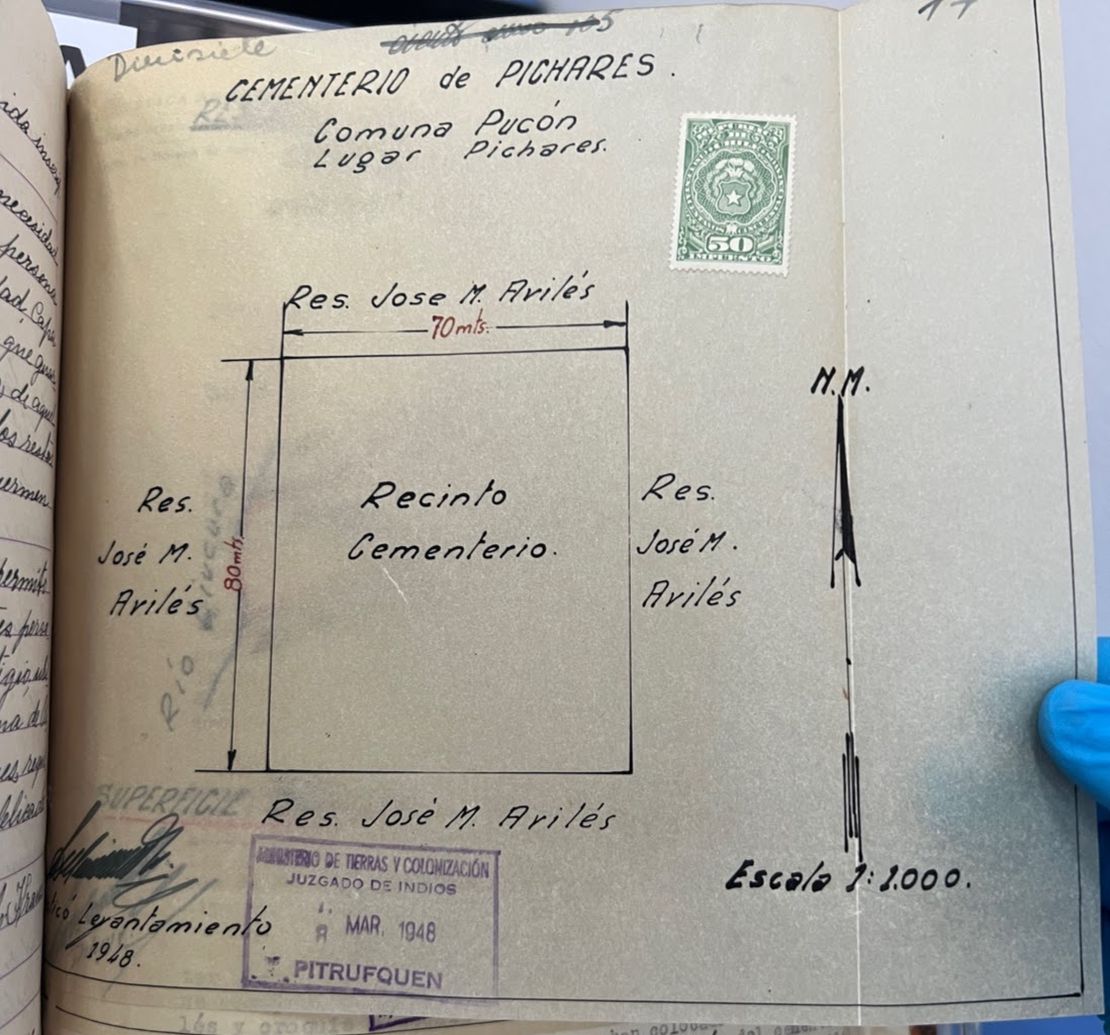
The Regulation of Mapuche Indigenous Cemeteries in early 20th Century

Enclosing Lives and Afterlives: The Regulation of Mapuche Indigenous Cemeteries in early 20th Century

Narrative 1930 - 1960
The Third Malón of Peace

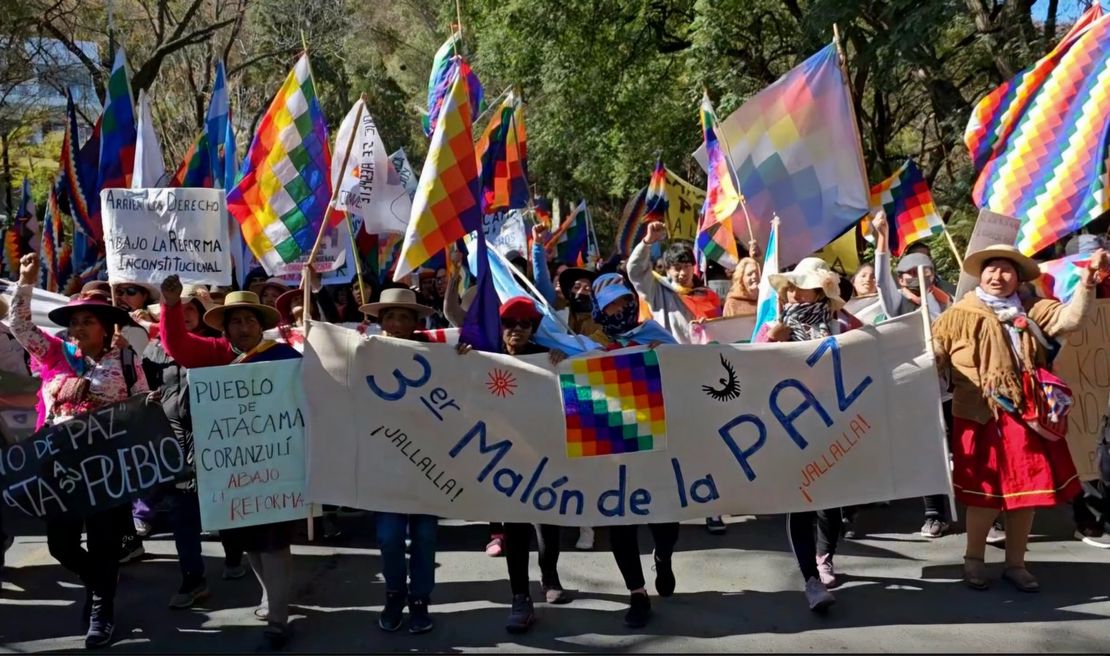
The Third Malón of Peace

Video 2023
Territorial Rights and Indigenous Mobilization in Contemporary Brazil: An Overview of the Tupinambá Case

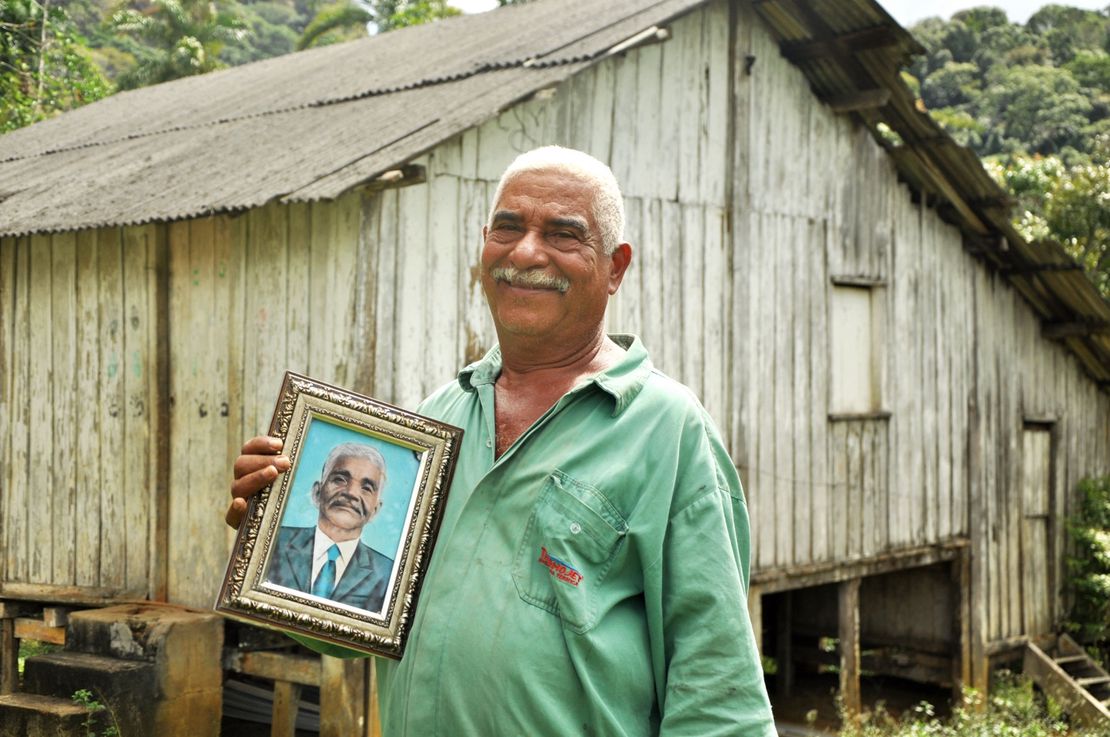
Territorial Rights and Indigenous Mobilization in Contemporary Brazil: An Overview of the Tupinambá Case

Narrative 2004 - 2024
Mapping Lenapehoking

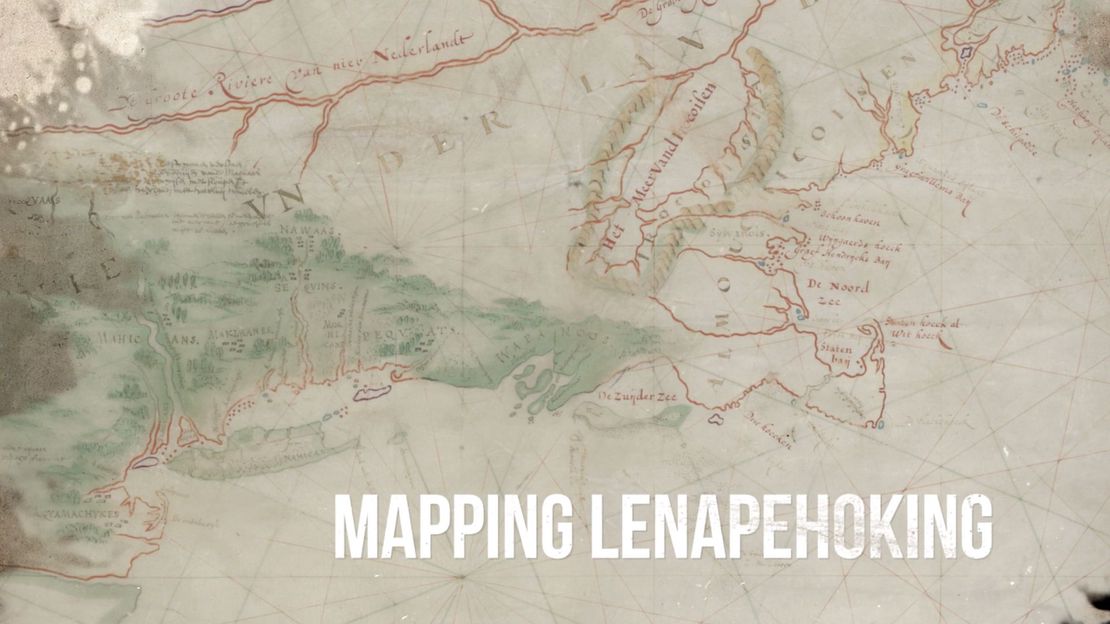
Mapping Lenapehoking

Video 1682 - 2024

Dispossessions in the Americas

A project by

University of Pennsylvania

Copyright 2024

With support from

Mellon Foundation

Site design & development

Element 84

Site Pages

  • Home
  • Explore
  • About
  • Authors
  • Art
  • Bodies
  • Curricula
  • Cultural Heritage
  • Maps
  • Territories