Dispossesions in the Americas

Dispossesions in the Americas

  • Home
  • Explore
  • About
  • Authors
  • Art
  • Bodies
  • Curricula
  • Cultural Heritage
  • Maps
  • Territories
Back to Explore
Narrative 1979 - 2024

Federal Acknowledgement of Indigenous Tribes in the United States

  • Daniels, Brian

Published: 2024

Image courtesy of Ophelia Jackson

Image courtesy of Ophelia Jackson

Abstract

Many Native American and Native Alaskan tribes in the United States remain unacknowledged, in part, due to historical dispossession. Only federally acknowledged tribes are eligible for specific rights and services, making federal acknowledgment crucial for the full realization of Indigenous rights in the United States. Tribes have gained acknowledgment through various legal mechanisms, including treaties, executive orders, congressional acts, and judicial decisions. The process, established in 1979 and revised in 1994 and 2015, is often criticized for being slow, arbitrary, and costly. Petitioning tribes must meet seven criteria, demonstrating continuous identification, distinct community, political authority, a current governing document, descent from a historical tribe, no dual enrollment, and no congressional prohibition. These criteria present significant challenges, particularly in providing documentary evidence. The administrative process is seen as a barrier, with high costs and long durations discouraging many tribes. Despite these obstacles, federal acknowledgment remains essential for tribes to secure their rights and recognition, prevent historical erasure and ensure their survival and identity are officially recognized.

As of 2023, the United States of America “acknowledges” the existence of 574 Native American and Native Alaskan tribes in the country. However, many more tribes exist but are not federally acknowledged, often due to circumstances linked to the historic dispossession of their homelands. In the United States, only federally recognized tribes are eligible for specific benefits known as Indian services, which are provided by the U.S. government through agencies like the Bureau of Indian Affairs and the Indian Health Service. These services include access to healthcare, education, housing assistance, and economic development programs designed to support Native communities. Federally recognized tribes also have the right to repatriate ancestors and sacred objects under the Native American Graves Protection and Repatriation Act, and their members are permitted to possess eagle feathers for religious ceremonies. Because federal recognition is a prerequisite for these and other legal rights, acknowledgment is critical for the full realization of Indigenous rights in the United States.

Native American tribes have gained acknowledgment through a variety of legal mechanisms. Historically, the cornerstone of U.S. Indian policy has been treaty relations with tribes. However, not all tribes received acknowledgment through treaties. In 1871, the U.S. Congress formally ended treaty-making, declaring that “no Indian nation or tribe . . . shall be acknowledged or recognized as an independent nation, tribe or power with whom the United States may contract by treaty.”1 Since then, other executive, congressional, and judicial authorities have acknowledged tribal existence. For instance, the President of the United States has acknowledged tribes by Executive Order, and the U.S. Congress has recognized tribes through legislation, such as the Mission Indian Relief Act in 1891 and the Indian Reorganization Act in 1934. Other forms of acknowledgment have come through the Bureau of Indian Affairs treating a tribe as having collective rights to lands or funds. These funds often come from resources like oil, gas, or timber on tribal lands, treaty payments, or settlements awarded to tribes as compensation for land that was wrongfully taken. Courts have also extended acknowledgment to tribes in certain cases, particularly when restoring tribes that had been terminated by congressional acts.

In 1994, the U.S. Congress passed legislation requiring the Bureau of Indian Affairs to publish an annual list of acknowledged tribes.2 In doing so, the U.S. Congress codified what had been an established practice and found that Native American tribes could be acknowledged by U.S. law, court decisions, or through administrative action under the Code of Federal Regulations for the “Federal Acknowledgment of American Indian Tribes.”3 In 2015, the Bureau of Indian Affairs made clear its preference for administrative action, and the Assistant Secretary of Indian Affairs published policy guidance that it would refer all tribes seeking acknowledgment to the administrative process.4

The administrative process for acknowledgment, originally instituted in 1979 and revised in 1994 and 2015, is often criticized for being slow, capricious, and costly. Cases can take decades to resolve, and if a petition fails, there is no provision for submitting a new petition if additional evidence becomes available. Some tribes have received a positive preliminary finding in favor of acknowledgment only to have it reversed following a change in administration.5 The most significant obstacle, however, remains the cost of completing the required documentation. In 2021, the Bureau of Indian Affairs’ Office of Federal Acknowledgment estimated the annual cost of preparing a petition for acknowledgment at $2,100,000.6 A lack of funds, missing documents, a reasonable fear of a failure (with 65% of all petitions denied since 1979), and arbitrary decisions all discourage tribes from moving forward through the administrative petition process.7

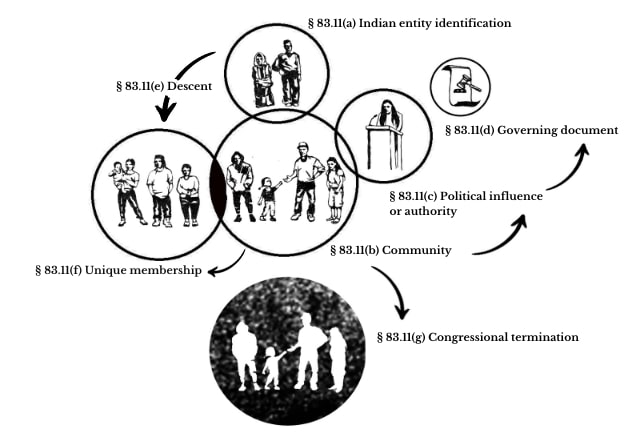
Seven criteria must be satisfied for federal acknowledgment as an Indian tribe. A petitioning tribe must demonstrate that: (1) they have been identified as an American Indian entity on a substantially continuous basis since 1900; (2) they are a distinct community that has existed since 1900; (3) they have exercised political authority over their members since 1900; (4) they have a current governing document that outlines their system of governance; (5) they descend from an identifiable historical Indian tribe; (6) their members are not enrolled members of other Indian tribes; and (7) their tribal existence has not been explicitly forbidden by the U.S. Congress. Each of these criteria presents unique challenges for petitioning Native American tribes, and the burden of proof remains on the tribe.

First, the “identification” criterion requires that petitioning tribes demonstrate recognition of their political existence from federal, state, and local governments, as well as from other tribes, tribal organizations, and academics. Often, however, a tribe’s political structures get overlooked when talking about culture and language. While anthropologists, archaeologists, and linguists often recognize that the people with whom they work belong to a cultural group, they are not always able to identify the political structures governing these communities. The Kumeyaay, for example, have thirteen distinct political governments on different reservations in California. Typically, agreements or relations with federal, state, and local governments provide stronger evidence for identification as an Indian tribe. Curiously, until 2015, petitioning tribes were not permitted to submit internal tribal records as evidence to prove their existence. Meeting minutes, bank records, and legal incorporation documents could therefore not be used to demonstrate that a tribe existed as a distinct entity. Nevertheless, despite these challenges, the identification criterion is generally considered one of the easier requirements for tribes to meet.

Second, the “distinct community” criterion requires a tribe to demonstrate that it is unique in some way from the surrounding population. The Bureau of Indian Affairs considers strong evidence to include distinct cultural and other ceremonial practices, language, and intratribal marriage—especially when more than 50% of the petitioning group can be shown to participate in these activities. However, decades of forced assimilation and government efforts to terminate tribes often make it difficult for tribes to meet this threshold. In such cases, a petitioning tribe may fulfill the distinct community criterion in other ways, including by demonstrating that its community maintains significant social relationships, patterns of informal social action, or shared or cooperative labor among its members. A common challenge tribes face is identifying documentary evidence that can point to distinct social relationships, transient but regular social interactions, or ephemeral shared activities. In the absence of written documentation, tribes turn to oral histories and other accounts. Relying on these memories is helpful and necessary, given the passing of tribal elders. Nevertheless, there are significant gaps in both oral and written records from the 1950s to the 1970s, which coincide with efforts to “terminate” the U.S. Government’s relationship with tribes. Petitioning tribes routinely face difficulty in demonstrating communal existence during the thirty-year period required under the distinct community criterion.

Third, the “political authority” criterion requires tribes to demonstrate that they have maintained political authority over their members from 1900 to the time of the petition. This criterion is particularly challenging because of the many changes that tribes have undergone since 1900, both as a result of their natural social evolution and in response to policies imposed upon them by the Bureau of Indian Affairs. Moreover, this period witnessed the imposition of termination policies by the U.S. Congress and alterations to nonprofit and corporate organization under U.S. law. Under these historical circumstances, demonstrating political continuity in leadership becomes daunting. Successful petitions for acknowledgment, such as the petition by the Pamunkey Indian Tribe in 2016, have relied heavily on the continuity of governance over property granted to the tribe under British law prior to the establishment of the United States in 1789. However, most tribes do not have such clear historical records. Instead, they look to provide evidence of efforts to exert influence on the behavior of individual members or instances of undisputed community leadership. Nevertheless, finding strong documentary evidence of political authority remains a challenge for tribal communities, especially where informal leadership and deference to elders’ knowledge and experience has gone unrecorded.

Fourth, a petitioning tribe must demonstrate that it has a current governing document. Under the Indian Reorganization Act of 1934, participating tribes are required to vote on a tribal constitution, which must then be approved the U.S. Secretary of the Interior. The current administrative process for acknowledgment continues this approach, requiring tribes to submit the document they use for self-governance. This criterion is the simplest for all tribes to meet. While some tribes have had their petitions for acknowledgment denied, in part, due to not submitting a governing document, most unacknowledged tribes do have such documents in place and actively follow them.

Fifth, a petitioning tribe must demonstrate that its members descend from a historical tribe. Unlike the other criteria, which require a tribe to provide evidence postdating 1900, this criterion involves showing that the tribe’s members trace their ancestry to a tribe appearing on one of the tribal membership rolls (or lists) created the Bureau of Indian Affairs in the 19th and early 20th centuries. In the absence of such a “base roll,” a petitioning tribe must reconstruct one using other records, such as those from federal, state, religious, or anthropological sources. While these records can serve as evidence for a reconstructed roll, they cannot be treated as a base roll on their own. This criterion has been a source of considerable controversy because, although the Bureau of Indian Affairs often recorded Native Americans and their tribal affiliations, not all tribes appear on official Bureau of Indian Affairs rolls. As a result, petitioning tribes often have to piece together fragmentary evidence from various sources to reconstruct a roll and prove their lineage. For Native Americans whose ancestors were subjected to Spanish colonization, the Bureau of Indian Affairs has asked for evidence of descent from tribes affiliated with the Spanish mission system.

Sixth, a petitioning tribe must demonstrate that its members are not already enrolled in another federally recognized tribe, as dual enrollment is not permitted. In practice, however, Native Americans often intermarry across both acknowledged and unacknowledged tribes. This can lead to situations where some individuals may feel culturally linked or bound by familial ties to an unacknowledged tribe but choose to enroll in an acknowledged tribe to receive federal benefits. These incentives generate tensions within unrecognized tribes, as those families with the strongest cultural or familial ties may not be able to enroll or participate in tribal governance if they are enrolled elsewhere. As a result, many unacknowledged tribes encourage their most active tribal members to delay enrolling in acknowledged tribes in the hopes that they might gain federal acknowledgment in the future.

Finally, a tribe must demonstrate that a federal relationship with it has not been explicitly forbidden by Congress. In the 1950s, a national policy known as “termination” sought to dismantle tribes and their reservations. Under this policy, reservations were divided among tribal members and privatized, effectively ending the unique federal relationship that had existed between tribes and the U.S. Government. Many tribes were targeted for termination, and the U.S. Congress enacted special legislation to dissolve their legal status. Although the federal government had officially rejected termination policy by the late 1960s, special legislation was still in place in states like California and Oregon, among others. While some of these laws have since been repealed and Indian policy has firmly shifted away from termination, the Bureau of Indian Affairs continues to interpret certain termination laws—often ambiguously worded and unevenly applied—as barriers to tribal acknowledgment, making this criterion open for considerable interpretation.

With these challenges embedded into the criteria for acknowledgment, the administrative process is often accused of being a form of “paper genocide.” Tribes that have maintained strong archival practices for creating and storing tribal records, despite all odds against them, have it a little “easier” in the acknowledgment process. For most tribes, however, the very first step in the acknowledgment process involves the creation of a tribal archive—searching for and assembling the records of tribal leaders and elders, finding the records of meetings (to the extent that they took place and were recorded), and locating any scrap of surviving evidence within the community that might serve as evidence for fulfilling acknowledgment criteria.

Without the proper documentation, a tribe can seemingly cease to exist in the eyes of the U.S. Government. Despite the obstacles, tribes continue to seek federal acknowledgment because this recognition is vital to being understood as a “real” tribe in the United States. The time and effort required mean that the struggle for recognition is multigenerational. The pain is very real when a tribal elder passes away and the tribe remains unacknowledged. Their children and grandchildren must often pick up the effort. For many tribes, acknowledgment is the pathway to preventing historical erasure.

References

“25 CFR Part 83 - Procedures for Federal Acknowledgment of Indian Tribes.” eCFR. Accessed May 28, 2024. https://www.ecfr.gov/current/title-25/chapter-I/subchapter-F/part-83.

“25 U.S. Code § 71 - Future Treaties with Indian Tribes.” Legal Information Institute, Cornell Law School. Accessed May 28, 2024. https://www.law.cornell.edu/uscode/text/25/71#:~:text=No%20Indian%20nation%20or%20tribe,prior%20to%20March%203%2C%201871%2C.

“25 U.S. Code § 5130 - Definitions.” Legal Information Institute, Cornell Law School. Accessed May 28, 2024. https://www.law.cornell.edu/uscode/text/25/5130.

“Final Determination Against Federal Acknowledgment of the Little Shell Tribe of Chippewa Indians of Montana.” Federal Register. Last modified November 3, 2009. https://www.federalregister.gov/documents/2009/11/03/E9-26373/final-determination-against-federal-acknowledgment-of-the-little-shell-tribe-of-chippewa-indians-of.

“Notice of Final Rule: Procedures for Federal Acknowledgment of Indian Tribes.” Federal Register. May 6, 2020. https://www.govinfo.gov/content/pkg/FR-2020-05-06/pdf/2020-09100.pdf.

“Petitions Resolved: Denied.” Office of Federal Acknowledgment, Bureau of Indian Affairs. Accessed May 28, 2024. https://www.bia.gov/as-ia/ofa/petitions-resolved/denied.

Procedures for Federal Acknowledgment of Indian Tribes, 25 C.F.R § 83.11 (2015).

“Proposed Finding for Federal Acknowledgment of the Little Shell Tribe of Chippewa Indians of Montana.” Federal Register. Last modified July 21, 2000. https://www.federalregister.gov/documents/2000/07/21/00-18490/proposed-finding-for-federal-acknowledgment-of-the-little-shell-tribe-of-chippewa-indians-of-montana.

“Requests for Administrative Acknowledgment of Federal Indian Tribes.” Federal Register. Last modified July 1, 2015. https://www.federalregister.gov/documents/2015/07/01/2015-16194/requests-for-administrative-acknowledgment-of-federal-indian-tribes.

For Additional Reading:

Klopotek, Brian. Recognition Odysseys: Indigeneity, Race, and Federal Tribal Recognition Policy in Three Louisiana Indian Communities. Durham, NC: Duke University Press, 2011.

Meyers, Mark D. “Federal Recognition of Indian Tribes in the United States.” Stanford Law and Policy Review 12, no. 2 (2000): 271–300.

Miller, Bruce G. Invisible Indigenes: The Politics of Nonrecognition. Lincoln, NE: University of Nebraska Press, 2004.

Miller, Mark E. Forgotten Tribes: Unacknowledged Indians and the Federal Acknowledgment Process. Lincoln, NE: University of Nebraska Press, 2004.
Acknowledgment Process. Image courtesy of Ophelia Jackson.

Acknowledgment Process. Image courtesy of Ophelia Jackson.

Image courtesy of Ophelia Jackson.

Image courtesy of Ophelia Jackson.


  1. “25 U.S. Code § 71 - Future Treaties with Indian Tribes,” Legal Information Institute, Cornell Law School, accessed May 28, 2024, https://www.law.cornell.edu/uscode/text/25/71#:~:text=No%20Indian%20nation%20or%20tribe,prior%20to%20March%203%2C%201871%2C. ↩︎

  2. “25 U.S. Code § 5130 - Definitions,” Legal Information Institute, Cornell Law School, accessed May 28, 2024, https://www.law.cornell.edu/uscode/text/25/5130. ↩︎

  3. “25 CFR Part 83 - Procedures for Federal Acknowledgment of Indian Tribes,” eCFR, accessed May 28, 2024, https://www.ecfr.gov/current/title-25/chapter-I/subchapter-F/part-83; Procedures for Federal Acknowledgment of Indian Tribes, 25 C.F.R. § 83.11 (2015). ↩︎

  4. “Requests for Administrative Acknowledgment of Federal Indian Tribes,” Federal Register, last modified July 1, 2015, https://www.federalregister.gov/documents/2015/07/01/2015-16194/requests-for-administrative-acknowledgment-of-federal-indian-tribes. ↩︎

  5. “Proposed Finding for Federal Acknowledgment of the Little Shell Tribe of Chippewa Indians of Montana,” Federal Register, last modified July 21, 2000, https://www.federalregister.gov/documents/2000/07/21/00-18490/proposed-finding-for-federal-acknowledgment-of-the-little-shell-tribe-of-chippewa-indians-of-montana; “Final Determination Against Federal Acknowledgment of the Little Shell Tribe of Chippewa Indians of Montana,” Federal Register, last modified November 3, 2009, https://www.federalregister.gov/documents/2009/11/03/E9-26373/final-determination-against-federal-acknowledgment-of-the-little-shell-tribe-of-chippewa-indians-of. ↩︎

  6. “Notice of Final Rule: Procedures for Federal Acknowledgment of Indian Tribes,” Federal Register, May 6, 2020, https://www.govinfo.gov/content/pkg/FR-2020-05-06/pdf/2020-09100.pdf. ↩︎

  7. “Petitions Resolved: Denied,” Office of Federal Acknowledgment, Bureau of Indian Affairs, accessed May 28, 2024, https://www.bia.gov/as-ia/ofa/petitions-resolved/denied. ↩︎

Citation

Daniels, Brian. 2024. 'Federal Acknowledgement of Indigenous Tribes in the United States'. Dispossessions in the Americas. https://dia.upenn.edu/en/content/DanielsB002/
Reading in Spanish

Narrative 1979 - 2024

Reconocimiento federal de las tribus indígenas en Estados Unidos

  • Daniels, Brian

Published: 2024

Imagen cortesía de Ophelia Jackson

Imagen cortesía de Ophelia Jackson

Reading in Portuguese

Narrative 1979 - 2024

Reconhecimento federal das tribos indígenas nos Estados Unidos

  • Daniels, Brian

Published: 2024

“É triste que muitas pessoas que começaram isso (o esforço de reconhecimento) não consigam ver o resultado final, e eu só espero poder estar aqui quando esse dia chegar, em nome de... todos aqueles que já faleceram, que trabalharam muito duro para começar isso”. Imagem cortesia de Ophelia Jackson

“É triste que muitas pessoas que começaram isso (o esforço de reconhecimento) não consigam ver o resultado final, e eu só espero poder estar aqui quando esse dia chegar, em nome de… todos aqueles que já faleceram, que trabalharam muito duro para começar isso”. Imagem cortesia de Ophelia Jackson

Resumo

Muitas tribos nativas americanas e nativas do Alaska nos Estados Unidos seguem sem ser reconhecidas, em partes devido à desapropriação histórica. Apenas as tribos reconhecidas pelo governo federal têm acesso a direitos e a serviços específicos, o que faz com que o reconhecimento federal seja crucial para a plena realização dos direitos indígenas nos Estados Unidos. As tribos obtiveram o reconhecimento por meio de diversos mecanismos legais, incluindo tratados, ordens executivas, leis do Congresso e decisões judiciais. O processo, estabelecido em 1979 e revisado em 1994 e 2015, é frequentemente criticado por ser lento, arbitrário e custoso. As tribos que apresentam a solicitação devem cumprir sete critérios, demonstrando uma identificação contínua, uma comunidade distinta, autoridade política, um documento de governo vigente, descendência de uma tribo histórica, ausência de dupla inscrição e ausência de proibição do Congresso. Esses critérios representam desafios importantes, particularmente no que se refere à apresentação de provas documentais. O processo administrativo é considerado uma barreira, já que seus altos custos e sua longa duração desestimulam muitas tribos. Apesar desses obstáculos, o reconhecimento federal segue sendo essencial para que as tribos garantam seus direitos e seu reconhecimento, evitando o apagamento histórico e assegurando que sua sobrevivência e identidade sejam reconhecidas oficialmente.

Em 2023, os Estados Unidos da América “reconhecem” a existência de 574 tribos nativas americanas e nativas do Alaska no país. No entanto, existem muitas mais tribos que não estão reconhecidas em nível federal, frequentemente devido a circunstâncias relacionadas com a desapropriação histórica de suas terras ancestrais. Nos Estados Unidos, somente as tribos reconhecidas pelo governo federal podem ter acesso a benefícios específicos conhecidos como “serviços indígenas”, que o Governo estadunidense proporciona por meio de órgãos como o Escritório de Assuntos Indígenas e o Serviço de Saúde Indígena. Esses serviços incluem o acesso à assistência sanitária, à educação, aos benefícios de moradia e aos programas de desenvolvimento econômico projetados para apoiar as comunidades indígenas. As tribos reconhecidas pelo governo federal também têm direito a repatriar seus antepassados e objetos sagrados em virtude da lei de Proteção e Repatriação de Tumbas Indígenas Americanas, e seus membros podem possuir penas de águias para cerimônias religiosas. Dado que o reconhecimento federal é um requisito prévio para esses e outros direitos legais, o reconhecimento é fundamental para a plena realização dos direitos indígenas nos Estados Unidos.

As tribos nativas americanas obtiveram o reconhecimento por meio de diversos mecanismos legais. Historicamente, a pedra angular da política indígena dos Estados Unidos foram as relações com as tribos mediante tratados. No entanto, nem todas as tribos receberam o reconhecimento por meio de tratados. Em 1871, o congresso dos Estados Unidos pôs fim oficialmente à assinatura de tratados, declarando que “nenhuma nação ou tribo indígenas […] será reconhecida como nação, tribo ou potência independente com a qual os Estados Unidos possam celebrar tratados"1. Desde então, outras autoridades executivas, legislativas e judiciais reconheceram a existência das tribos. Por exemplo, o presidente dos Estados Unidos reconheceu tribos mediante ordens executivas, e o congresso dos Estados Unidos as reconheceu por meio de leis, como a Lei de Ajuda aos Indígenas das Missões de 1891 e a Lei de Reorganização Indígena de 1934. Outras formas de reconhecimento vieram através do Escritório de Assuntos Indígenas, que trata as tribos como se tivessem direitos coletivos sobre terras ou fundos. Esses fundos geralmente provêm de recursos como petróleo, gás ou madeira das terras tribais, pagamentos de tratados ou indenizações concedidas às tribos como compensação por terras que lhes foram indevidamente tomadas. Os tribunais também ampliaram o reconhecimento às tribos em certos casos, particularmente quando se trata de restaurar tribos que haviam sido dissolvidas por atos do Congresso.

Em 1994, o Congresso dos Estados Unidos aprovou uma lei que obrigava o Escritório de Assuntos Indígenas a publicar uma lista anual de tribos reconhecidas2. Ao fazê-lo, o Congresso dos Estados Unidos institucionalizou o que havia sido uma prática estabelecida e determinou que as tribos nativas americanas podiam ser reconhecidas pela legislação estadunidense, pelas decisões judiciais ou mediante ações administrativas em virtude do Código de Regulamentações Federais para o “Reconhecimento Federal das Tribos Indígenas Americanas3”. Em 2015, o Escritório de Assuntos Indígenas deixou clara sua preferência pela ação administrativa, e o subsecretário de Assuntos Indígenas publicou uma diretriz política na qual indicava que remeteria todas as tribos que solicitassem o reconhecimento ao processo administrativo4.

O processo administrativo para o reconhecimento, instituído originalmente em 1979 e revisado em 1994 e 2015, é frequentemente criticado por ser lento, arbitrário e custoso. Os casos podem levar décadas para serem resolvidos e, se uma petição é negada, não existe nenhuma disposição que permita apresentar uma nova petição caso se obtenham provas adicionais. Algumas tribos receberam uma resolução preliminar positiva a favor do reconhecimento, mas esta foi revogada após uma mudança na administração5. No entanto, o obstáculo mais importante continua sendo o custo de completar a documentação necessária. Em 2021, o Escritório de Reconhecimento Federal do Escritório de Assuntos Indígenas estimou que o custo anual de preparar uma petição de reconhecimento era de 2.100.000 dólares6. A falta de fundos, a falta de documentos, o temor razoável de fracassar (65% de todas as petições foram negadas desde 1979) e as decisões arbitrárias desestimulam as tribos a seguir adiante com o processo de petição administrativa7.

Para obter o reconhecimento federal como tribo indígena, devem ser cumpridos sete critérios. A tribo solicitante deve demonstrar que: (1) foi identificada como entidade indígena americana de forma substancialmente contínua desde 1900; (2) é uma comunidade distinta que existe desde 1900; (3) exerceu autoridade política sobre seus membros desde 1900; (4) tem um documento de governo vigente que descreve seu sistema de governo; (5) descende de uma tribo indígena histórica identificável; (6) seus membros não estão inscritos em outras tribos indígenas; e (7) sua existência tribal não foi proibida explicitamente pelo Congresso dos Estados Unidos. Cada um desses critérios apresenta desafios únicos para as tribos nativas americanas solicitantes, e o ônus da prova recai sobre a tribo.

Em primeiro lugar, o critério de “identificação” exige que as tribos solicitantes demonstrem o reconhecimento de sua existência política por parte dos governos federal, estadual e local, assim como de outras tribos, organizações tribais e acadêmicos. No entanto, frequentemente são ignoradas as estruturas políticas de uma tribo quando se fala de cultura e língua. Embora os antropólogos, arqueólogos e linguistas costumem reconhecer que as pessoas com as quais trabalham pertencem a um grupo cultural, nem sempre são capazes de identificar as estruturas políticas que governam essas comunidades. Os kumeyaay, por exemplo, têm treze governos políticos distintos em diferentes reservas da Califórnia. Geralmente, os acordos ou as relações com os governos federal, estadual e local fornecem provas mais sólidas para a identificação como tribo indígena. Curiosamente, até 2015, as tribos solicitantes não podiam apresentar registros tribais internos como prova de sua existência. Portanto, as atas de reuniões, os registros bancários e os documentos legais de constituição não podiam ser utilizados para demonstrar que uma tribo existia como entidade distinta. Não obstante, apesar dessas dificuldades, o critério de identificação é considerado geralmente um dos requisitos mais fáceis de cumprir para as tribos.

Em segundo lugar, o critério de “comunidade diferenciada” exige que uma tribo demonstre que é única em algum aspecto em relação à população ao redor. O Escritório de Assuntos Indígenas considera que entre as provas sólidas se incluem práticas culturais e cerimoniais diferenciadas, o idioma e os casamentos intratribais, especialmente quando se pode demonstrar que mais de 50% do grupo solicitante participa dessas atividades. No entanto, décadas de assimilação forçada e os esforços do governo para acabar com as tribos frequentemente dificultam que estas cumpram o requisito. Em tais casos, uma tribo solicitante pode cumprir o critério de comunidade distinta de outras maneiras, por exemplo, demonstrando que sua comunidade mantém relações sociais significativas, padrões de ação social informal ou trabalho compartilhado ou cooperativo entre seus membros. Um desafio comum que as tribos enfrentam é identificar provas documentais que possam apontar para relações sociais distintas, interações sociais transitórias, mas regulares ou atividades compartilhadas efêmeras. Na falta de documentação escrita, as tribos recorrem a histórias orais e outros relatos. Confiar nessas memórias é útil e necessário, dado o falecimento dos anciãos das tribos. Não obstante, existem importantes lacunas, tanto nos registros orais quanto nos escritos dos anos cinquenta aos setenta, que coincidem com os esforços para “terminar” a relação do governo dos Estados Unidos com as tribos. As tribos solicitantes costumam ter dificuldades para demonstrar a existência de uma comunidade durante o período de trinta anos exigido pelo critério de comunidade diferenciada.

Em terceiro lugar, o critério de “autoridade política” exige que as tribos demonstrem que mantiveram a autoridade política sobre seus membros de 1900 até o momento da petição. Esse critério é especialmente difícil devido às numerosas mudanças que as tribos atravessaram desde 1900, tanto como resultado de sua evolução social natural quanto em resposta às políticas que lhes foram impostas pelo Escritório de Assuntos Indígenas. Além disso, esse período testemunhou a imposição de políticas de rescisão por parte do Congresso dos Estados Unidos e de modificações nas organizações sem fins lucrativos e corporativas sob a lei estadunidense. Nessas circunstâncias históricas, demonstrar a continuidade política na liderança torna-se uma tarefa desanimadora. As petições de reconhecimento que obtiveram sucesso, como a da tribo indígena Pamunkey em 2016, basearam-se em grande medida na continuidade do governo sobre as propriedades concedidas à tribo em virtude da legislação britânica antes da criação dos Estados Unidos em 1789. No entanto, a maioria das tribos não conta com registros históricos tão claros. Em vez disso, tentam fornecer provas dos esforços realizados para exercer influência sobre o comportamento de membros individuais ou de casos de liderança comunitária indiscutível. Não obstante, encontrar provas documentais sólidas da autoridade política continua sendo um desafio para as comunidades tribais, especialmente quando a liderança informal e o respeito pelos conhecimentos e a experiência dos anciãos não ficaram registrados.

Em quarto lugar, a tribo solicitante deve demonstrar que dispõe de um documento de governo vigente. Em virtude da Lei de Reorganização Indígena de 1934, as tribos participantes devem votar uma constituição tribal, que posteriormente deve ser aprovada pelo Secretário do Interior dos Estados Unidos. O processo administrativo atual para o reconhecimento continua com essa abordagem, exigindo das tribos que apresentem o documento que utilizam para seu autogoverno. Esse critério é o mais simples de cumprir para todas as tribos. Embora a algumas tribos tenha sido negada sua solicitação de reconhecimento, em parte por não apresentarem um documento de governo, a maioria das tribos não reconhecidas possui tais documentos e os aplica ativamente.

Em quinto lugar, uma tribo solicitante deve demonstrar que seus membros descendem de uma tribo histórica. Diferentemente dos demais critérios, que exigem que a tribo forneça provas posteriores a 1900, esse critério implica demonstrar que os membros da tribo remontam sua ascendência a uma tribo que figura em um dos registros (ou listas) de membros tribais criados pelo Escritório de Assuntos Indígenas no século XIX e início do XX. Na ausência de tal “registro base”, a tribo solicitante deve reconstruí-lo utilizando outros registros, como os de fontes federais, estaduais, religiosas ou antropológicas. Embora esses registros possam servir como prova para um registro reconstruído, não podem ser considerados por si mesmos como um registro base. Esse critério tem sido objeto de considerável controvérsia porque, embora o Escritório de Assuntos Indígenas costumasse registrar os nativos americanos e suas afiliações tribais, nem todas as tribos aparecem nas listas oficiais do Escritório de Assuntos Indígenas. Como resultado, as tribos solicitantes frequentemente têm que reunir provas fragmentárias de diversas fontes para reconstruir uma lista e demonstrar sua linhagem. No caso dos nativos americanos cujos ancestrais foram submetidos à colonização espanhola, o Escritório de Assuntos Indígenas solicitou provas de descendência de tribos afiliadas ao sistema missionário espanhol.

Em sexto lugar, uma tribo solicitante deve demonstrar que seus membros não estão já inscritos em outra tribo reconhecida pelo governo federal, já que não se permite a dupla inscrição. No entanto, na prática, os nativos americanos costumam se casar entre tribos reconhecidas e não reconhecidas. Isso pode dar lugar a situações nas quais algumas pessoas se sintam culturalmente vinculadas ou unidas por laços familiares a uma tribo não reconhecida, mas decidam se inscrever em uma tribo reconhecida para receber benefícios federais. Esses incentivos geram tensões dentro das tribos não reconhecidas, já que as famílias com laços culturais ou familiares mais fortes podem não conseguir se inscrever ou participar do governo tribal se estiverem inscritas em outro lugar. Como resultado, muitas tribos não reconhecidas incentivam seus membros mais ativos a adiarem a inscrição em tribos reconhecidas com a esperança de que possam obter o reconhecimento federal no futuro.

Por último, uma tribo deve demonstrar que o Congresso não proibiu explicitamente a relação federal com ela. Na década de 1950, uma política nacional conhecida como “terminación” tentou desmantelar as tribos e suas reservas. Em virtude dessa política, as reservas foram divididas entre os membros das tribos e privatizadas, o que pôs fim de facto à relação federal única que havia existido entre as tribos e o governo dos Estados Unidos. Muitas tribos foram objeto da terminación, e o Congresso dos Estados Unidos promulgou uma legislação especial para dissolver seu status legal. Embora o governo federal tivesse rejeitado oficialmente a política da terminación no final da década de 1960, a legislação especial continuava vigente em estados como Califórnia e Oregon, entre outros. Embora algumas dessas leis tenham sido revogadas desde então e a política indígena tenha se afastado firmemente da terminación, o Escritório de Assuntos Indígenas continua interpretando certas leis da terminación —frequentemente redigidas de forma ambígua e aplicadas de maneira desigual— como obstáculos para o reconhecimento tribal, o que deixa este critério aberto a uma interpretação considerável.

Com esses desafios incorporados nos critérios de reconhecimento, o processo administrativo é frequentemente acusado de ser uma forma de “genocídio no papel”. As tribos que mantiveram sólidas práticas de arquivo para criar e armazenar registros tribais, apesar de todas as dificuldades, têm as coisas um pouco mais fáceis no processo de reconhecimento. No entanto, para a maioria das tribos, o primeiro passo no processo de reconhecimento consiste em criar um arquivo tribal: buscar e reunir os registros dos líderes e anciãos tribais, encontrar as atas das reuniões (na medida em que foram realizadas e registradas) e localizar qualquer vestígio de evidência que tenha sobrevivido dentro da comunidade e que possa servir como prova para cumprir os critérios de reconhecimento.

Sem a documentação adequada, uma tribo pode deixar de existir aos olhos do governo dos Estados Unidos. Apesar dos obstáculos, as tribos continuam buscando o reconhecimento federal porque esse reconhecimento é vital para serem compreendidas como tribos “reais” nos Estados Unidos. O tempo e o esforço necessários significam que a luta pelo reconhecimento é multigeracional. A dor é muito profunda quando falece um ancião da tribo e esta segue sem ser reconhecida. Seus filhos e netos frequentemente devem continuar com o esforço. Para muitas tribos, o reconhecimento é o caminho para evitar o apagamento histórico.

Referências

«25 CFR Parte 83 - Procedimientos para el reconocimiento federal de las tribus indias». eCFR. Consultado el 28 de mayo de 2024. https://www.ecfr.gov/current/title-25/chapter-I/subchapter-F/part-83.

«25 U.S. Code § 71 - Futuros tratados con tribus indígenas». Instituto de Información Jurídica, Facultad de Derecho de Cornell. Consultado el 28 de mayo de 2024. https://www.law.cornell.edu/uscode/text/25/71#:~:text=No%20Indian%20nation%20or%20tribe,prior%20to%20March%203%2C%201871%2C.

«25 Código de los Estados Unidos § 5130 - Definiciones». Instituto de Información Jurídica, Facultad de Derecho de Cornell. Consultado el 28 de mayo de 2024. https://www.law.cornell.edu/uscode/text/25/5130.

«Decisión definitiva contra el reconocimiento federal de la tribu Little Shell de los indios chippewa de Montana». Registro Federal. Última modificación: 3 de noviembre de 2009. https://www.federalregister.gov/documents/2009/11/03/E9-26373/final-determination-against-federal-acknowledgment-of-the-little-shell-tribe-of-chippewa-indians-of.

«Aviso de norma definitiva: Procedimientos para el reconocimiento federal de tribus indígenas». Registro Federal. 6 de mayo de 2020. https://www.govinfo.gov/content/pkg/FR-2020-05-06/pdf/2020-09100.pdf.

«Peticiones resueltas: denegadas». Oficina de Reconocimiento Federal, Oficina de Asuntos Indígenas. Consultado el 28 de mayo de 2024. https://www.bia.gov/as-ia/ofa/petitions-resolved/denied.

Procedimientos para el reconocimiento federal de las tribus indígenas, 25 C.F.R § 83.11 (2015).

«Propuesta de reconocimiento federal de la tribu Little Shell de los indios chippewa de Montana». Registro Federal. Última modificación: 21 de julio de 2000. https://www.federalregister.gov/documents/2000/07/21/00-18490/proposed-finding-for-federal-acknowledgment-of-the-little-shell-tribe-of-chippewa-indians-of-montana.

«Solicitudes de reconocimiento administrativo de tribus indias federales». Registro Federal . Última modificación: 1 de julio de 2015. https://www.federalregister.gov/documents/2015/07/01/2015-16194/requests-for-administrative-acknowledgment-of-federal-indian-tribes.

Para mais informações:

Klopotek, Brian. Recognition Odysseys: Indigeneity, Race, and Federal Tribal Recognition Policy in Three Louisiana Indian Communities. Durham, Carolina del Norte: Duke University Press, 2011.

Meyers, Mark D. «Federal Recognition of Indian Tribes in the United States» (Reconocimiento federal de las tribus indígenas en los Estados Unidos). Stanford Law and Policy Review 12, n.º 2 (2000): 271-300.

Miller, Bruce G. Indígenas invisibles: la política del no reconocimiento. Lincoln, Nebraska: University of Nebraska Press, 2004.

Miller, Mark E. Tribus olvidadas: los indígenas no reconocidos y el proceso de reconocimiento federal. Lincoln, Nebraska: University of Nebraska Press, 2004.

Proceso de reconocimiento. Imagen cortesía de Ophelia Jackson.

Proceso de reconocimiento. Imagen cortesía de Ophelia Jackson.

Imagem cortesia de Ophelia Jackson.

Imagem cortesia de Ophelia Jackson.

https://www.law.cornell.edu/uscode/text/25/71#:~:text=No%20Indian%20nation%20or%20tribe,prior%20to%20March%203%2C%201871%2C.

de Cornell, consultado 28 de maio de 2024, https://www.law.cornell.edu/uscode/text/25/5130.

maio de 2024, https://www.ecfr.gov/current/title-25/chapter-I/subchapter-F/part-83; Procedimientos para el

reconocimiento federal de las tribus indígenas, 25 C.F.R. § 83.11 (2015).

modificações em 1 de julho de 2015, https://www.federalregister.gov/documents/2015/07/01/2015-16194/requests-for-administrative-acknowledgment-of-federal-indian-tribes.

Federal, última modificação em 21 de julho de 2000, https://www.federalregister.gov/documents/2000/07/21/00-

18490/proposed-finding-for-federal-acknowledgment-of-the-little-shell-tribe-of-chippewa-indians-of-montana;

«Determinación definitiva contra el reconocimiento federal de la tribu Little Shell de los indios chippewa de

Montana”, Registro Federal, última modificação em 3 de novembro de 2009,

https://www.federalregister.gov/documents/2009/11/03/E9-26373/final-determination-against-federal-

acknowledgment-of-the-little-shell-tribe-of-chippewa-indians-of.

6 de maio de 2020, https://www.govinfo.gov/content/pkg/FR-2020-05-06/pdf/2020-09100.pdf.

em 28 de maio de 2024, https://www.bia.gov/as-ia/ofa/petitions-resolved/denied.


  1. “25 Código de los Estados Unidos § 71 - Tratados futuros con tribus indígenas”, Instituto de Información Jurídica, Facultad de Derecho de Cornell, consultado em 28 de maio de 2024: ↩︎

  2. “25 Código dos Estados Unidos § 5130 – Definições”, Instituto de Informação jurídica, Faculdade de Direito ↩︎

  3. «25 CFR Parte 83 - Procedimento para o reconhecimento federal das tribos índias», eCFR, consultado em 28 de ↩︎

  4. “Solicitações de reconhecimento administrativo de tribos indígenas federais”, Registro Federal, última ↩︎

  5. “Proposta de reconhecimento federal da tribo Little Shell de los indios chippewa de Montana», Registro ↩︎

  6. “Aviso de norma definitiva: Procedimentos para o reconhecimento federal de tribos indígenas”, Registro Federal, ↩︎

  7. «Petições resolvidas: denegadas», Oficina de Reconhecimento Federal, Oficina de Assuntos Indígenas, consultado ↩︎

Citation

Daniels, Brian. 2024. 'Reconhecimento federal das tribos indígenas nos Estados Unidos'. Dispossessions in the Americas. https://dia.upenn.edu/pt/content/DanielsB002/

Related Content

Principales Conventos en el Siglo XVI

Principales Conventos en el Siglo XVI

Map 1500 - 1599
MAPA DEL ANTIGUO REINO DE GUATEMALA EN LA EPOCA DE SU DESCUBRIMIENTO Y CONQUISTA

MAPA DEL ANTIGUO REINO DE GUATEMALA EN LA EPOCA DE SU DESCUBRIMIENTO Y CONQUISTA

Map 1900 - 1999
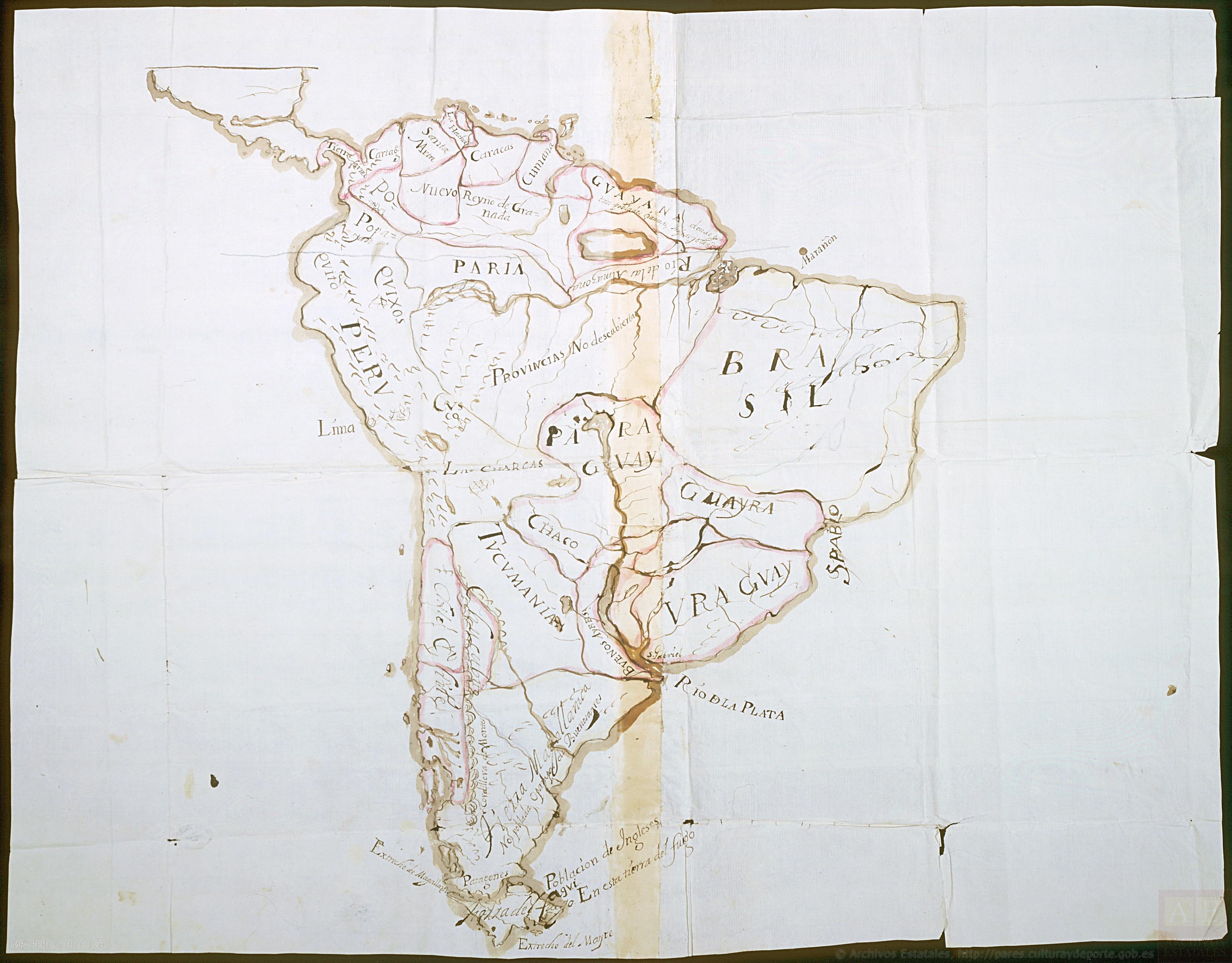
Mapa de América del Sur con indicación de tierras
     habitadas por extranjeros

Mapa de América del Sur con indicación de tierras habitadas por extranjeros

Map 1682
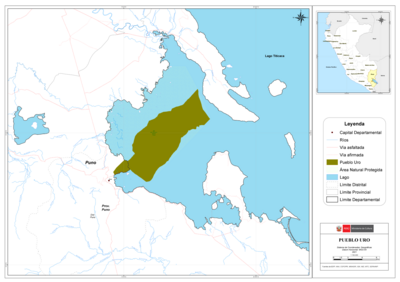
PUEBLO URO

PUEBLO URO

Map 2021
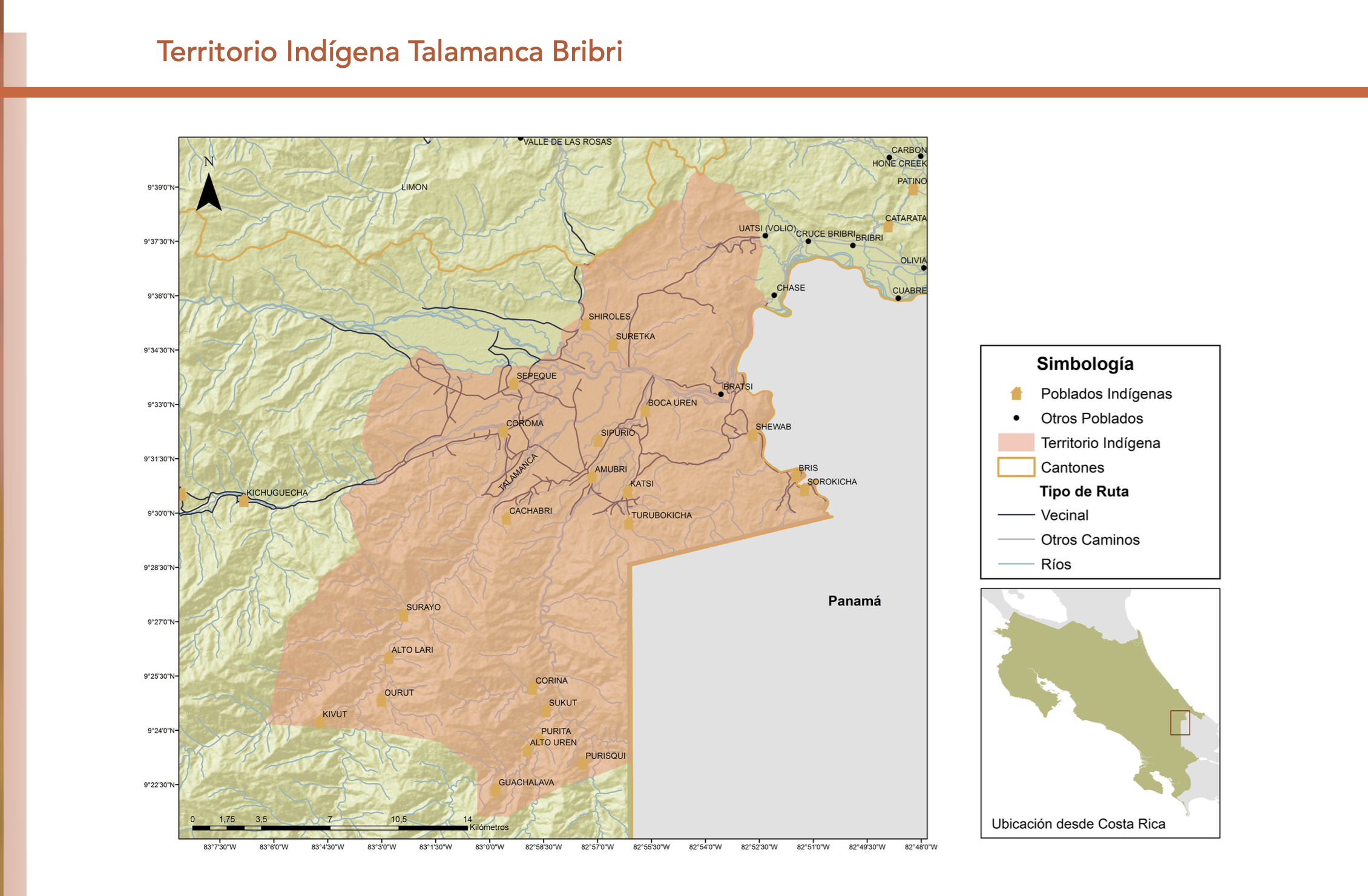
"Territorio Indígena Talamanca Bribri"

"Territorio Indígena Talamanca Bribri"

Map 2010
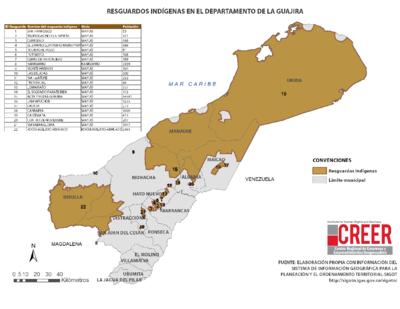
Resguardos indígenas en el Departamento de la Guajira

Resguardos indígenas en el Departamento de la Guajira

Map
FAMILIAS LINGUISTICAS Y LENGUAS INDIGENAS - TERCERA REGION: AMAZONIA MERIDIONAL

FAMILIAS LINGUISTICAS Y LENGUAS INDIGENAS - TERCERA REGION: AMAZONIA MERIDIONAL

Map 1989
[O ateliê], sem data [The studio, undated]

[O ateliê], sem data [The studio, undated]

Artwork

Dispossessions in the Americas

A project by

University of Pennsylvania

Copyright 2024

With support from

Mellon Foundation

Site design & development

Element 84

Art Credits

Image courtesy of Ophelia Jackson

Site Pages

  • Home
  • Explore
  • About
  • Authors
  • Art
  • Bodies
  • Curricula
  • Cultural Heritage
  • Maps
  • Territories