Dispossesions in the Americas

Dispossesions in the Americas

  • Home
  • Explore
  • About
  • Authors
  • Art
  • Bodies
  • Curricula
  • Cultural Heritage
  • Maps
  • Territories
Back to Explore
Narrative 1500 - 1700

Reconsidering Memories of “Navigator, Discoverer, Colonizer” Samuel de Champlain

  • Bruchac, Margaret M.

Published: 2022

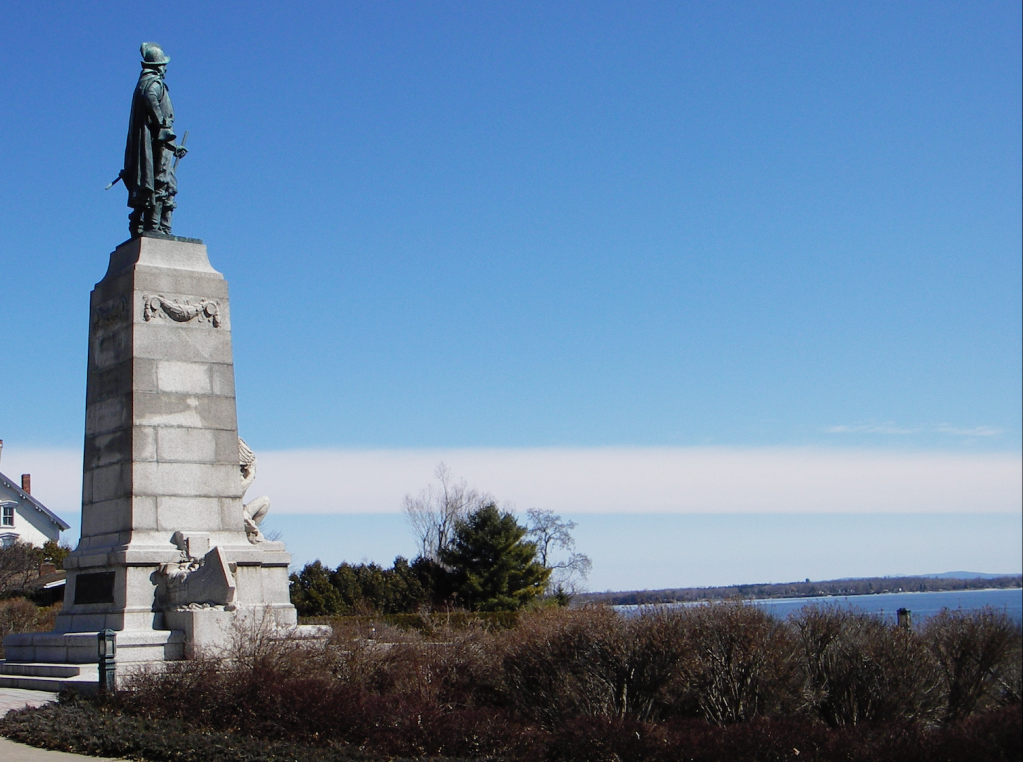
Figure 1: “Samuel Champlain monument, Plattsburgh, New York”. Photograph by Margaret M. Bruchac.

Figure 1: “Samuel Champlain monument, Plattsburgh, New York”. Photograph by Margaret M. Bruchac.

Abstract

In North America, many historical sites of colonial encounters feature monuments that honor European colonial settler histories, while obscuring Indigenous histories. For example, in 1912, the Franco-American community in Plattsburgh, New York erected a dramatic monument to Samuel de Champlain, and positioned it on the western shore of Lake Champlain. The inscription identifies him as “Navigator, Discoverer, Colonizer,” and the sculpture includes a crouching Native American scout at his feet. Although meant to record the success of inter-cultural alliances in New France, this monument evokes memories of the violent, and ongoing, impacts of European colonization. Recent attempts to improve the monument by adding a new interpretive plaque made things worse, introducing confusing images that further obscure Indigenous histories. From a Native perspective, monuments to colonial encounters are rarely celebratory; they are often painful reminders of diplomacy gone wrong and colonization run rampant.

The Indigenous territory that we now call “North America” is covered with monuments to the colonial settler past that, in many cases, stand unquestioned, despite the historical errors and stereotypes they typically embody. In examining these markers, it is crucial to understand exactly why these monuments exist. What was the historical context: who is this person, when did they live, and why do they matter? What was the popular social context: when was the monument created, who designed it, why is it beloved? What was the ethnic and political context: which communities were being intentionally represented by this monument, and who was misrepresented or marginalized as a result? Perhaps the most important point to be made is that public images and words matter. The general public has been trained to believe, based on the Euro-American tradition of erecting statues to “important” people, that these monuments communicate some kind of elemental “truth.” There is, however, so much more to be said.

As a case in point, there is an impressive monument to French “Navigator, Explorer, Colonizer” Samuel de Champlain (1567-1635), standing proudly on the western shore of Lake Champlain in present-day Plattsburgh, New York, even though Champlain never set foot on that shore. [Figure 1.] The monument — which stands in Kanienkehaka (Mohawk) territory, overlooking the place the Abenaki call Bitawbakw (Lake Champlain) — was erected by members of the Franco-American community in Plattsburgh and dedicated in 1912. Related monuments and markers to Champlain were set up in various locales on the Vermont side of the lake in Swanton, Vergennes, and Isle La Motte. Champlain was especially popular during the tercentenary year of 1909, when Fort Ticonderoga and other locales hosted pageants and re-enactments celebrating the infamous “Battle of Lake Champlain” in 1609.1

Champlain is an unusual example of a European colonizer who was actually invited to these lands by Indigenous people. In 1609, a group of Maliseet, Montagnais, Algonquin, and Abenaki leaders asked him to serve as an ally in their conflict with the Haudenosaunee (then known to colonizers as the Five Nations Iroquois). Champlain’s first-person account of the July 30, 1609 “Battle of Lake Champlain” describes the ritual nature of Indigenous warfare, while also noting the shock at the unexpected havoc created by the first use of European firearms in this region.

“When evening came we embarked in our canoes to continue on our way; and as we were going along very quietly. . .we met the Iroquois at ten o’clock at night at the end of a cape that projects into the lake on the west side [near present-day Fort Ticonderoga]. We both began to make loud cries, each getting his arms ready. . . When they were armed and in array, they sent two canoes set apart from the others to learn from their enemies if they wanted to fight. They replied that they desired nothing else; but that, at the moment, there was not much light and that they must wait for the daylight to recognize each other, and that as soon as the sun rose they would open the battle. . .the whole night was passed in dances and songs, as much on one side as on the other, with endless insults and other talk. . . After plenty of singing, dancing, and parleying with one another, daylight came. My companions and I remained concealed, for fear that the enemy should see us, preparing our arms. . .After arming ourselves with light armor, each of us took each an arquebuse [a short musket] and went ashore. I saw the enemy come out of their barricade, nearly 200 men, strong and robust to look at, coming slowly toward us with a dignity and assurance that pleased me very much. At their head were three chiefs.” 2
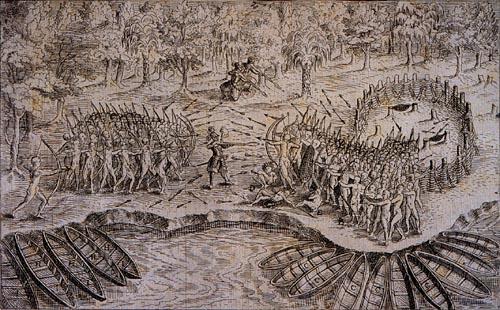
Figure 2: “Champlain’s Fight with the Iroquois,” illustration by Samuel de Champlain c. 1613, in Francis Parkman, Historic Handbook of the Northern Tour. Lakes George and Champlain; Niagara; Montreal; Quebec (Boston, MA: Little, Brown, and Company, 1912), 9.

Figure 2: “Champlain’s Fight with the Iroquois,” illustration by Samuel de Champlain c. 1613, in Francis Parkman, Historic Handbook of the Northern Tour. Lakes George and Champlain; Niagara; Montreal; Quebec (Boston, MA: Little, Brown, and Company, 1912), 9.

“They at once saw me and halted, looking at me, and I at them. When I saw them making a move to shoot at us, I rested my arquebuse against my cheek and aimed directly at one of the three chiefs. With the same shot two of them fell to the ground, and one of their companions who was wounded and afterwards died. . .The Iroquois were much astonished that two men had been so quickly killed, although they were provided with [arrow-proof] armor. . .As I was loading again, one of my companions fired a shot from the woods, which astonished them again to such a degree that, seeing their chiefs dead, they lost courage, took to flight and abandoned the field and their fort, fleeing into the depths of the woods. Pursuing them thither I killed some more of them. . . After we had gained the victory they [Champlain’s Native allies] amused themselves by taking a great quantity of Indian corn and meal from their enemies, and also their arms, which they had left in order to run better.” 3

In the aftermath of this brief, but devastating encounter, Champlain’s allies “made good cheer, danced and sung,” and collected prisoners. In his journal, he noted that he then took the liberty of naming the lake “ where this charge was made” after himself: “Lake Champlain.”

The effects of this encounter were long-lasting, given the subsequent widespread use, of firearms in inter-national and inter-tribal warfare. The arrogance of naming the lake after himself is obvious, but Champlain was not (like so many colonizers) driven solely by the assumption that European colonizers had inherent rights to claim non-Christian lands under the “doctrine of discovery.” His goal - in line with the painful legacy of settler colonialism everywhere - was to colonize Indigenous lands with settlers from Europe to create the colony of “New France.” Thus, although meant to record the success of inter-cultural alliances in New France, this monument also evokes memories of the violent impacts of European colonization. Indigenous peoples suffered through generations of inter-cultural warfare, land loss, and religious oppression that their communities are still recovering from today. From a Native perspective, these monuments to colonial encounters are not celebratory; they are painful reminders of diplomacy gone wrong.

The Champlain monument still stands watch over the lake in the present day, with its stereotypical and culturally inaccurate portrayal of an eastern Algonkian Native warrior in a Western Plains style feather headdress (bearing no resemblance to Native dress in the 1600s), crouching at the foot of the pedestal. [Figure 3.]
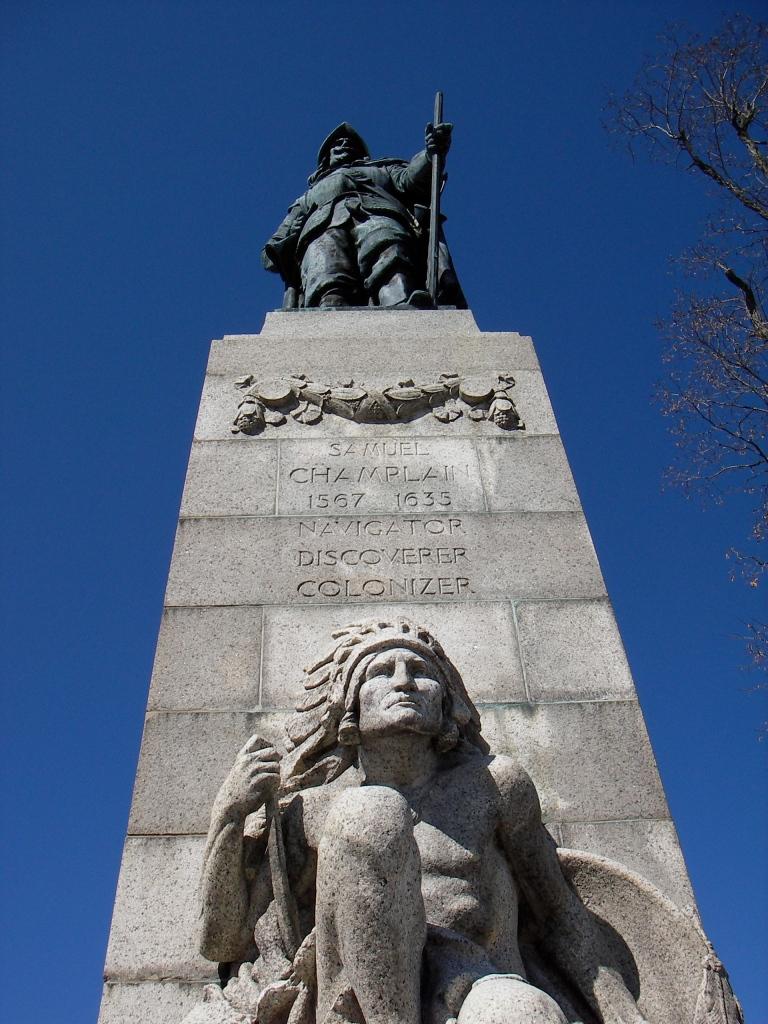
Figure 3: Samuel Champlain monument, Plattsburgh, New York. Photograph by Margaret M. Bruchac.

Figure 3: Samuel Champlain monument, Plattsburgh, New York. Photograph by Margaret M. Bruchac.

In 2020, in an effort to somehow reconcile with this fraught history and awkward imagery, the city of Plattsburgh decided to install a new interpretive plaque.4 This plaque represented an attempt to fill in the blanks by highlighting Indigenous history, but it introduced considerable confusion.5 Although intended to address historical errors, the design mixes accurate and inaccurate images and text in a curious manner.6 It features a very large (and very antiquated) map that includes illustrations of nearly naked Natives depicted in a typically Euro-centric romantic fashion. Champlain’s own illustration of the famous Battle at Lake Champlain is strikingly absent.

The plaque includes two modern illustrations by John Fadden, a skilled Haudenosaunee artist. One shows a Maliseet canoe, and one shows an Onondaga Chief addressing John Hancock in Philadelphia in 1776. Both of these are culturally accurate and interesting, but Hancock’s relations with Haudenosaunee people in the 1770s have no relation to Champlain’s relations with his Algonkian allies, or to his battle with the Iroquois in the 1600s. There is also an image of a new US dollar coin, with an image of Sacagawea, the Lemhi Shoshone woman who accompanied the 1804-1806 Lewis and Clark Expedition on the other side of the continent. There is no explanation for including this image, which has no relation whatsoever to any aspect of Lake Champlain’s history.

The plaque also features a new map of the lake itself, which unfortunately obscures any sense of the lake as part of long-inhabited Indigenous homelands and ancestral territory. There are no markers to show the past or present locations of any of the Indigenous communities – at Missisquoi, Kahnawake, Kanesatake, and Odanak – who are historically connected to this region and this lake. There is no mention of either Mohawk or Abenaki history, even though this monument stands at the edge of the lake that connects their territories. There is no mention of any Indigenous nations today, or of the complex inter-tribal relations among them. In essence, the plaque obscures, rather than illuminates, Indigenous history.

In the end, monuments like these to colonial heroes and colonial encounters — even when they purport to celebrate the transnational nature of early alliances — stand as painful reminders of diplomacy gone wrong and colonization. This statue, even with its new plaque, remains firmly rooted in the past. Clearly, more context, more information, and better interpretations of these foundational histories are needed.

References Cited:

Barilla, Elena. July 22, 2020. “‘Interpretive panel’ added to Samuel de Champlain monument in Plattsburgh.” NBC5 News. https://www.mynbc5.com/article/interpretive-panel-added-to-samuel-de-champlain-monument-in-plattsburgh/33383840.

Beaudreau, Sylvie M. July 24, 2020. “In My Opinion: The Friends of the Saranac River Trail and their interpretive panel for the Champlain Monument: Thoughtful or misleading?” The Press Republican. https://www.pressrepublican.com/opinion/in-my-opinion-the-friends-of-the-saranac-river-trail-and-their-interpretive-panel-for/article_d72c2b5c-5d6e-5341-94ac-611af7f20f49.html.

Beaudreau, Sylvie M. “Commemorating a Transnational Hero: The 1909 Celebration of the Tercentenary of the Discovery of Lake Champlain.” Vermont History 77, no. 2 (Summer/Fall 2009): 99–118. https://vermonthistory.org/journal/77/VHS770202_99-118.pdf.

Bradley, Pat. July 22, 2020. “Champlain Statue Remains With Education Panel Installed To Explain Historical Errors.” WAMC Northeast Public Radio. https://www.wamc.org/north-country-news/2020-07-22/champlain-statue-remains-with-education-panel-installed-to-explain-historical-errors.

Bourne, Edward Gaylord, ed. 1922. The Voyages and Explorations of Samuel de Champlain 1604–1616 Narrated by Himself. Translated from the original French by Annie Nettleton Bourne. New York, NY: Allerton Books. https://libsysdigi.library.uiuc.edu/oca/Books2008-05/voyagesexplorati/voyagesexplorati01cham/voyagesexplorati01cham.pdf.

Hill, Henry Wayland, ed. 1911. The Champlain Tercentenary Report. Report of the New York Lake Champlain Tercentenary Commission. Albany, NY: J.B. Lyon Company.

Lake Champlain Tercentenary Commission of Vermont. The Tercentenary of the Discovery of Lake Champlain and Vermont: A Report to the General Assembly of the State of Vermont. Montpelier, VT: Capital City Press, 1910.

Parkman, Francis. 1912. Historic Handbook of the Northern Tour. Lakes George and Champlain; Niagara; Montreal; Quebec. Boston, MA: Little, Brown, and Company. https://archive.org/details/cu31924014024305/page/n9/mode/2up

List of Figures:


  1. See, for example, Henry Wayland Hill, ed., The Champlain Tercentenary Report (Albany, NY: J.B. Lyon Company, 1911). ↩︎

  2. Samuel de Champlain, quoted in Edward Gaylord Bourne, ed., The Voyages and Explorations of Samuel de Champlain 1604-1616, translated from the original French by Annie Nettleton Bourne (New York, NY: Allerton Books, 1922), Vol. 1, 209-211. ↩︎

  3. Samuel de Champlain, quoted in Bourne, ed., The Voyages and Explorations of Samuel de Champlain 1604-1616, Vol. 1, 212-213. ↩︎

  4. See Elena Barilla, “Interpretive panel’ added to Samuel de Champlain monument in Plattsburgh,” NBC5 News, July 22, 2020. https://www.mynbc5.com/article/interpretive-panel-added-to-samuel-de-champlain-monument-in-plattsburgh/33383840 ↩︎

  5. The new plaque also, not incidentally, erases the legacy of the Franco-American descendant community that built the monument. See Sylvie M. Beaudreau, “In My Opinion: The Friends of the Saranac River Trail and their interpretive panel for the Champlain Monument: Thoughtful or misleading?” The Press Republican, July 24, 2020. ↩︎

  6. See Pat Bradley, “Champlain Statue Remains With Education Panel Installed To Explain Historical Errors,” WAMC Northeast Public Radio, July 22, 2020. https://www.wamc.org/north-country-news/2020-07-22/champlain-statue-remainswith-education-panel-installed-to-explain-historical-errors ↩︎

Citation

Bruchac, Margaret M.. 2022. 'Reconsidering Memories of “Navigator, Discoverer, Colonizer” Samuel de Champlain'. Dispossessions in the Americas. https://dia.upenn.edu/en/content/BruchacM001/
Reading in Spanish

Narrative 1500 - 1700

Una reconsideración de los recuerdos del “navegante, descubridor, colonizador” Samuel de Champlain

  • Bruchac, Margaret M.

Published: 2022

Figura 1. “Monumento a Samuel Champlain, Plattsburgh, Nueva York”. Fotografía de Margaret M. Bruchac.

Figura 1. “Monumento a Samuel Champlain, Plattsburgh, Nueva York”. Fotografía de Margaret M. Bruchac.

Reading in Portuguese

Narrative 1500 - 1700

Reconsiderando memórias sobre Samuel de Champlain, o “Navegador, Descobridor, Colonizador”

  • Bruchac, Margaret M.

Published: 2022

Figura 1: “Monumento Samuel Champlain, Plattsburgh, Nova Iorque. Fotografia de Margaret M. Bruchac.

Figura 1: “Monumento Samuel Champlain, Plattsburgh, Nova Iorque. Fotografia de Margaret M. Bruchac.

Resumo

Na América do Norte, muitos locais históricos de encontros coloniais apresentam monumentos que homenageiam as histórias dos colonizadores europeus, ao mesmo tempo que obscurecem as histórias indígenas. Por exemplo, em 1912, a comunidade franco-americana de Plattsburgh, Nova Iorque, ergueu um monumento imponente em homenagem a Samuel de Champlain e o posicionou na margem oeste do Lago Champlain. A inscrição o identifica como “Navegador, Descobridor, Colonizador” e a escultura inclui um explorador nativo americano agachado a seus pés. Embora tenha sido concebido para registrar o sucesso das alianças interculturais na Nova França, este monumento evoca memórias dos impactos violentos e contínuos da colonização europeia. As tentativas recentes de melhorar o monumento com a adição de um novo painel interpretativo pioraram a situação, introduzindo imagens confusas que ofuscam ainda mais as histórias indígenas. Do ponto de vista indígena, os monumentos aos encontros coloniais raramente são motivo de celebração. Frequentemente, são lembretes dolorosos de uma diplomacia mal sucedida e colonização desenfreada.

O território indígena que hoje chamamos de “América do Norte” está repleto de monumentos que remetem ao passado colonial dos colonizadores e que, em muitos casos, permanecem incontestados, apesar dos erros históricos e estereótipos que normalmente representam. Ao examinar esses marcos, é crucial entender exatamente por que esses monumentos existem. Qual era o contexto histórico: quem é essa pessoa, quando viveu e por que é importante? Qual era o contexto social popular: quando o monumento foi criado, quem o projetou, por que ele é tão amado? Qual era o contexto étnico e político: quais comunidades estavam sendo intencionalmente representadas por esse monumento e quem foi marginalizado ou representado de forma distorcida como resultado? Talvez o ponto mais importante a ser destacado seja que imagens e palavras públicas importam. O público em geral foi condicionado a acreditar, com base na tradição euro-americana de erguer estátuas em homenagem a pessoas “importantes”, que esses monumentos comunicam algum tipo de “verdade” fundamental. No entanto, há muito mais a ser dito.

Como exemplo, existe um impressionante monumento ao “Navegador, Explorador, Colonizador” francês Samuel de Champlain (1567-1635) erguido com orgulho na margem oeste do Lago Champlain, na atual Plattsburgh, Nova Iorque, embora Champlain jamais tenha pisado naquelas margens [Figura 1]. O monumento — que fica em território Kanienkehaka (Mohawk), com vista para o local que os Abenaki chamam de Bitawbakw (Lago Champlain) — foi erguido por membros da comunidade franco-americana em Plattsburgh e inaugurado em 1912. Monumentos e marcos relacionados a Champlain foram erguidos em vários locais no lado de Vermont do lago, em Swanton, Vergennes e Isle La Motte. Champlain foi especialmente popular durante o ano do tricentenário, em 1909, quando o Forte Ticonderoga e outros locais sediaram desfiles e reconstituições históricas para celebrar a infame “Batalha do Lago Champlain” de 1609.1

Champlain é um exemplo incomum de um colonizador europeu que foi realmente convidado para essas terras por povos indígenas. Em 1609, um grupo de líderes Maliseet, Montagnais, Algonquin e Abenaki pediu-lhe que servisse como aliado no conflito com os Haudenosaunee (então conhecidos pelos colonizadores como as Cinco Nações Iroquesas). O relato em primeira pessoa de Champlain sobre a “Batalha do Lago Champlain” de 30 de julho de 1609 descreve a natureza ritualística da guerra indígena, ao mesmo tempo que destaca o choque com a devastação inesperada causada pelo primeiro uso de armas de fogo europeias nesta região.

“Ao cair da noite, embarcamos em nossas canoas para continuar nossa jornada; e enquanto navegávamos em silêncio… encontramos os iroqueses às dez horas da noite na ponta de um cabo que se projeta para o lago no lado oeste [perto do atual Forte Ticonderoga]. Começamos a gritar alto, cada um preparando suas armas… Quando estavam armados e em formação, enviaram duas canoas separadas das demais para saber dos inimigos se desejavam lutar. Responderam que não desejavam nada além disso; apenas que, naquele momento, não havia muita luz e que precisavam esperar o amanhecer para se reconhecerem, e que, assim que o sol nascesse, iniciariam a batalha… A noite inteira transcorreu entre danças e canções, tanto de um lado quanto do outro, com intermináveis ​​insultos e outras conversas… Após muita cantoria, dança e conversa, amanheceu. Meus companheiros e eu permanecemos escondidos, com medo de que o inimigo nos visse preparando nossas armas… Após nos equiparmos com armaduras leves, cada um de nós pegou um arcabuz [um mosquete curto] e desembarcamos. Vi o inimigo sair de sua barricada, quase 200 homens, fortes e robustos à primeira vista, vindo lentamente em nossa direção com uma dignidade e segurança que me agradaram muito. À frente deles estavam três caciques”.2

Os Haudenosaunee estavam se preparando — com esta noite de cantos e danças, seguida por um avanço ritual e demonstração de poder — para se envolverem em uma guerra indígena tradicional, de uma maneira que, apesar de muito barulho e fúria, provavelmente resultaria em danos mínimos para ambos os lados. A empreitada liderada pelos Montagnais, no entanto, tinha outros planos. Eles avançaram lentamente, escondendo cuidadosamente seus aliados franceses até o último momento possível. Champlain preparou sua arma. [Figura 2]

Figura 2: “Luta de Champlain contra os iroqueses”, ilustração de Samuel de Champlain, por volta de 1613, in Francis Parkman, Historic Handbook of the Northern Tour. Lakes George and Champlain; Niagara; Montreal; Quebec (Boston, MA: Little, Brown, and Company, 1912), 9.

Figura 2: “Luta de Champlain contra os iroqueses”, ilustração de Samuel de Champlain, por volta de 1613, in Francis Parkman, Historic Handbook of the Northern Tour. Lakes George and Champlain; Niagara; Montreal; Quebec (Boston, MA: Little, Brown, and Company, 1912), 9.

“Eles me viram imediatamente e pararam, olhando para mim, e eu para eles. Quando os vi se preparando para atirar em nós, encostei meu arcabuz na bochecha e mirei diretamente em um dos três caciques. Com o mesmo disparo, dois deles caíram no chão e um de seus companheiros, que ficou ferido, morreu posteriormente… Os iroqueses ficaram muito surpresos com a rapidez com que dois homens haviam sido mortos, apesar de estarem equipados com armaduras [à prova de flechas]… Enquanto eu recarregava, um dos meus companheiros disparou um tiro da mata, o que os surpreendeu novamente a tal ponto que, ao verem seus caciques mortos, perderam a coragem, escaparam e abandonaram o campo de batalha e seu forte, fugindo para o interior da floresta. Ao persegui-los, matei mais alguns deles… Após a nossa vitória, eles [os aliados indígenas de Champlain] se divertiram roubando uma grande quantidade de milho e farinha de seus inimigos, bem como suas armas, que haviam deixado para trás para poderem correr melhor”.3

Após esse breve, porém devastador, encontro, os aliados de Champlain “comemoraram, dançaram e cantaram”, e recolheram prisioneiros. Em seu diário, ele anotou que então tomou a liberdade de nomear o lago “onde esse ataque foi feito” em sua homenagem: “Lago Champlain”.

Os efeitos desse encontro foram duradouros, dada a subsequente utilização generalizada de armas de fogo em guerras entre nações e entre tribos. A arrogância de dar o próprio nome ao lago é óbvia, mas Champlain não foi (como tantos outros colonizadores) motivado unicamente pela suposição de que os colonizadores europeus tinham direitos inerentes de reivindicar terras não cristãs sob a “doutrina da descoberta”. Seu objetivo – em consonância com o legado doloroso do colonialismo de povoamento em todo o mundo – era colonizar terras indígenas com colonos europeus para criar a colônia da “Nova França”. Assim, embora tenha sido concebido para registrar o sucesso das alianças interculturais na Nova França, este monumento também evoca memórias dos impactos violentos da colonização europeia. Os povos indígenas sofreram durante gerações de guerras interculturais, perda de terras e opressão religiosa, das quais suas comunidades ainda estão se recuperando nos dias de hoje. Do ponto de vista indígena, esses monumentos aos encontros coloniais não são motivo de celebração; são lembretes dolorosos de uma diplomacia mal sucedida.

O monumento a Champlain ainda permanece de pé, vigiando o lago nos dias de hoje, com sua representação estereotipada e culturalmente imprecisa de um guerreiro nativo algonquiano do leste, usando um cocar de penas no estilo das planícies ocidentais (sem qualquer semelhança com as vestimentas nativas do século XVII), agachado aos pés do pedestal. [Figura 3]

Figura 3: Monumento Samuel Champlain, Plattsburgh, Nova Iorque. Fotografia de Margaret M. Bruchac.

Figura 3: Monumento Samuel Champlain, Plattsburgh, Nova Iorque. Fotografia de Margaret M. Bruchac.

Em 2020, num esforço para tentar de alguma forma reconciliar-se com essa história conturbada e imagens incômodas, a cidade de Plattsburgh decidiu instalar um novo painel interpretativo.4 Este painel representou uma tentativa de preencher as lacunas, destacando a história indígena, mas acabou por gerar uma confusão considerável.5 Embora tenha sido concebido para corrigir erros históricos, o painel mistura imagens e textos precisos e imprecisos de uma maneira curiosa.6 Apresenta um mapa muito grande (e muito antiquado) que inclui ilustrações de nativos quase nus retratados de uma forma tipicamente romântica e eurocêntrica. A ilustração da famosa Batalha do Lago Champlain feita pelo próprio Champlain está surpreendentemente ausente.

A placa inclui duas ilustrações modernas de John Fadden, um talentoso artista Haudenosaunee. Uma delas mostra uma canoa maliseet e a outra mostra um cacique onondaga discursando para John Hancock na Filadélfia em 1776. Ambas as situações são culturalmente precisas e interessantes, mas as relações de Hancock com o povo Haudenosaunee na década de 1770 não têm relação com as relações de Champlain com seus aliados algonquianos, nem com sua batalha contra os iroqueses no século XVII. Há também a imagem de uma nova moeda de um dólar americano, com a imagem de Sacagawea, a mulher Lemhi Shoshone que acompanhou a Expedição de Lewis e Clark de 1804-1806 ao outro lado do continente. Não há explicação para a inclusão desta imagem, que não tem qualquer relação com qualquer aspecto da história do Lago Champlain.

A placa também apresenta um novo mapa do próprio lago, que infelizmente ofusca qualquer noção de que o lago faz parte das terras ancestrais e dos antigos lares indígenas. Não existem marcos que indiquem a localização passada ou presente de nenhuma das comunidades indígenas – em Missisquoi, Kahnawake, Kanesatake e Odanak – que estão historicamente conectadas à esta região e este lago. Não há qualquer menção à história dos mohawk ou dos abenaki, embora este monumento esteja situado na margem do lago que liga os seus territórios. Não há menção a nenhuma nação indígena atual, nem às complexas relações intertribais entre elas. Em essência, a placa obscurece, em vez de iluminar, a história indígena.

No fim das contas, monumentos como esses, dedicados a heróis e encontros coloniais — mesmo quando pretendem celebrar a natureza transnacional das primeiras alianças — servem como lembretes dolorosos de uma diplomacia mal sucedida e da própria colonização. Esta estátua, mesmo com seu novo painel, permanece firmemente enraizada no passado. Claramente, são necessários mais contexto, mais informações e melhores interpretações dessas histórias fundadoras.

Referências Citadas:

Barilla, Elena. 22 de julho de 2020. “Interpretive panel’ added to Samuel de Champlain monument in Plattsburgh.” NBC5 News. https://www.mynbc5.com/article/interpretive-panel-added-to-samuel-de-champlain-monument-in-plattsburgh/33383840

Beaudreau, Sylvie M. 24 de julho de 2020. “In My Opinion: The Friends of the Saranac River Trail and their interpretive panel for the Champlain Monument: Thoughtful or misleading?” The Press Republican.

Beaudreau, Sylvie M. 2009. “Commemorating a Transnational Hero: The 1909 Celebration of the Tercentenary of the Discovery of Lake Champlain.” Vermont History 77 (2) (Summer/Fall 2009): 99–118. https://vermonthistory.org/journal /77/VHS770202_99-118.pdf

Bradley, Pat. 22 de julho de 2020. “Champlain Statue Remains With Education Panel Installed To Explain Historical Errors.” WAMC Northeast Public Radio. https://www.wamc.org/north-country-news/2020-07-22/champlain-statue-remainswith-education-panel-installed-to-explain-historical-errors

Bourne, Edward Gaylord, ed. 1922. The Voyages and Explorations of Samuel de Champlain 1604-1616

Narrated by Himself. Traduzido do original em francês por Annie Nettleton Bourne. Volume 1. New York, NY: Allerton Books. https://archive.org/details/voyagesexplorati01cham/page/n7/mode/2up

Hill, Henry Wayland, ed. 1911. The Champlain Tercentenary Report. Report of the New York Lake Champlain Tercentenary Commission. Albany, NY: J.B. Lyon Company.

Lake Champlain Tercentenary Commission of Vermont. 1910. The Tercentenary of the Discovery of Lake Champlain and Vermont. Relatório à Assembleia Geral do Estado de Vermont. Montpelier, Vt.: Capital City Press.

Parkman, Francis. 1912. Historic Handbook of the Northern Tour. Lakes George and Champlain; Niagara; Montreal; Quebec. Boston, MA: Little, Brown, and Company. https://archive.org/details/cu31924014024305/page/n9/mode/2up


  1. Conferir, por exemplo, Henry Wayland Hill, ed., The Champlain Tercentenary Report (Albany, NY: J.B. Lyon Company, 1911). ↩︎

  2. Samuel de Champlain, citado em Edward Gaylord Bourne, ed., The Voyages and Explorations of Samuel de Champlain 1604-1616, traduzido do original em francês por Annie Nettleton Bourne (New York, NY: Allerton Books, 1922), Vol. 1, 209-211. ↩︎

  3. Samuel de Champlain, citado em Bourne, ed., The Voyages and Explorations of Samuel de Champlain 1604-1616, Vol. 1, 212-213. ↩︎

  4. Conferir Elena Barilla, “Interpretive panel’ added to Samuel de Champlain monument in Plattsburgh,” NBC5 News, 22 de julho de 2020. https://www.mynbc5.com/article/interpretive-panel-added-to-samuel-de-champlain-monument-in-plattsburgh/33383840 ↩︎

  5. A nova placa também apaga, não por acaso, o legado da comunidade de descendentes franco-americanos que construiu o monumento. Conferir Sylvie M. Beaudreau, “In My Opinion: The Friends of the Saranac River Trail and their interpretive panel for the Champlain Monument: Thoughtful or misleading?” The Press Republican, 24 de julho de 2020. ↩︎

  6. Confeir Pat Bradley, “Champlain Statue Remains With Education Panel Installed To Explain Historical Errors,” WAMC Northeast Public Radio, 22 de julho de 2020. https://www.wamc.org/north-country-news/2020-07-22/champlain-statue-remainswith-education-panel-installed-to-explain-historical-errors ↩︎

Citation

Bruchac, Margaret M.. 2022. 'Reconsiderando memórias sobre Samuel de Champlain, o “Navegador, Descobridor, Colonizador”'. Dispossessions in the Americas. https://dia.upenn.edu/pt/content/BruchacM001/

Related Content

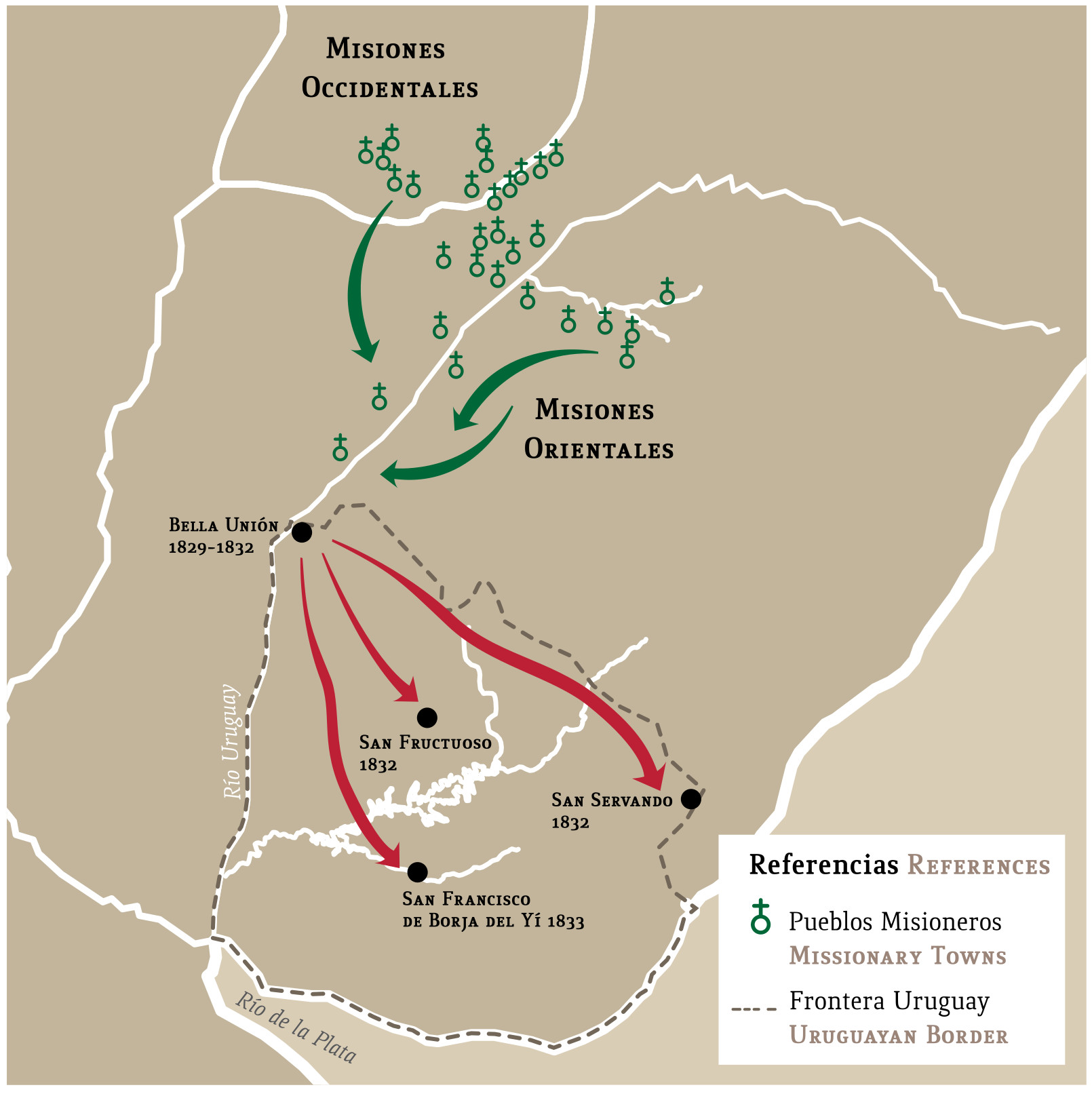
Mapa con migraciones
de indígenas misioneros y fundación de pueblos en Uruguay

Mapa con migraciones de indígenas misioneros y fundación de pueblos en Uruguay

Map 1828 - 1832
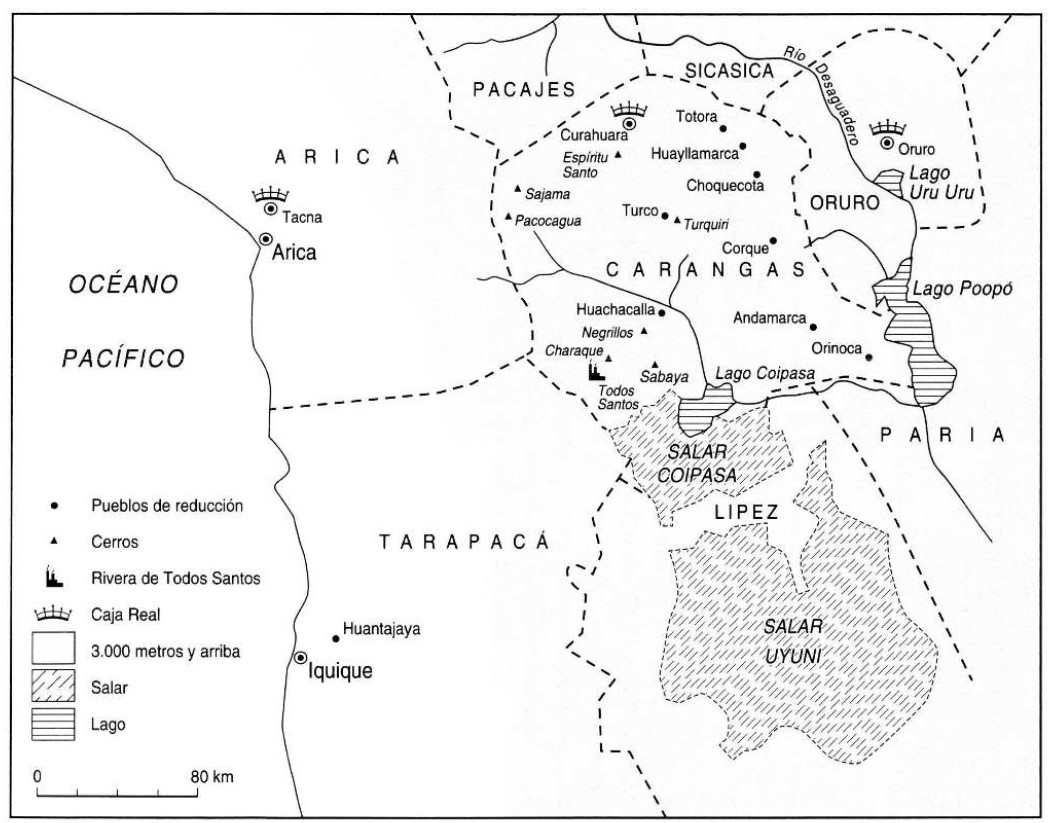
THE KARANQAS AYMARA POLITY UNDER SPANISH COLONIAL RULE IN THE 18TH CENTURY

THE KARANQAS AYMARA POLITY UNDER SPANISH COLONIAL RULE IN THE 18TH CENTURY

Map 1750 - 1804
PRIMERAS CULTURAS QUITENAS - LA AMAZONIA - GENEALOGÍA - INVASIONES MAYAS

PRIMERAS CULTURAS QUITENAS - LA AMAZONIA - GENEALOGÍA - INVASIONES MAYAS

Map
Santa Elena and Pueblo Viejo

Santa Elena and Pueblo Viejo

Map 1997
Plano de la Yntendencia de Arequipa. Hecho de orden del Exmo. Sor.  Virrey Fr. Dn. Francisco Gil y Lemos, año de 1792

Plano de la Yntendencia de Arequipa. Hecho de orden del Exmo. Sor. Virrey Fr. Dn. Francisco Gil y Lemos, año de 1792

Map 1792
Constitución de Territorio Mapuche  1598-1604.

Constitución de Territorio Mapuche 1598-1604.

Map 1598 - 1604
Terra Indígena Boa Vista do Sertão Pró-Mirim

Terra Indígena Boa Vista do Sertão Pró-Mirim

Map 2012
PUEBLO TARAHUMARA

PUEBLO TARAHUMARA

Map 2020

Dispossessions in the Americas

A project by

University of Pennsylvania

Copyright 2024

With support from

Mellon Foundation

Site design & development

Element 84

Art Credits

Figure 1: “Samuel Champlain monument, Plattsburgh, New York”. Photograph by Margaret M. Bruchac.

Site Pages

  • Home
  • Explore
  • About
  • Authors
  • Art
  • Bodies
  • Curricula
  • Cultural Heritage
  • Maps
  • Territories