Dispossesions in the Americas

Dispossesions in the Americas

  • Home
  • Explore
  • About
  • Authors
  • Art
  • Bodies
  • Curricula
  • Cultural Heritage
  • Maps
  • Territories
Back to Explore
Narrative 1979 - 2025

Decolonizing the Arctic: the right to Self-Determination of the Kalaallit Inuit of Greenland

  • Anta, Darius

Published: 2025

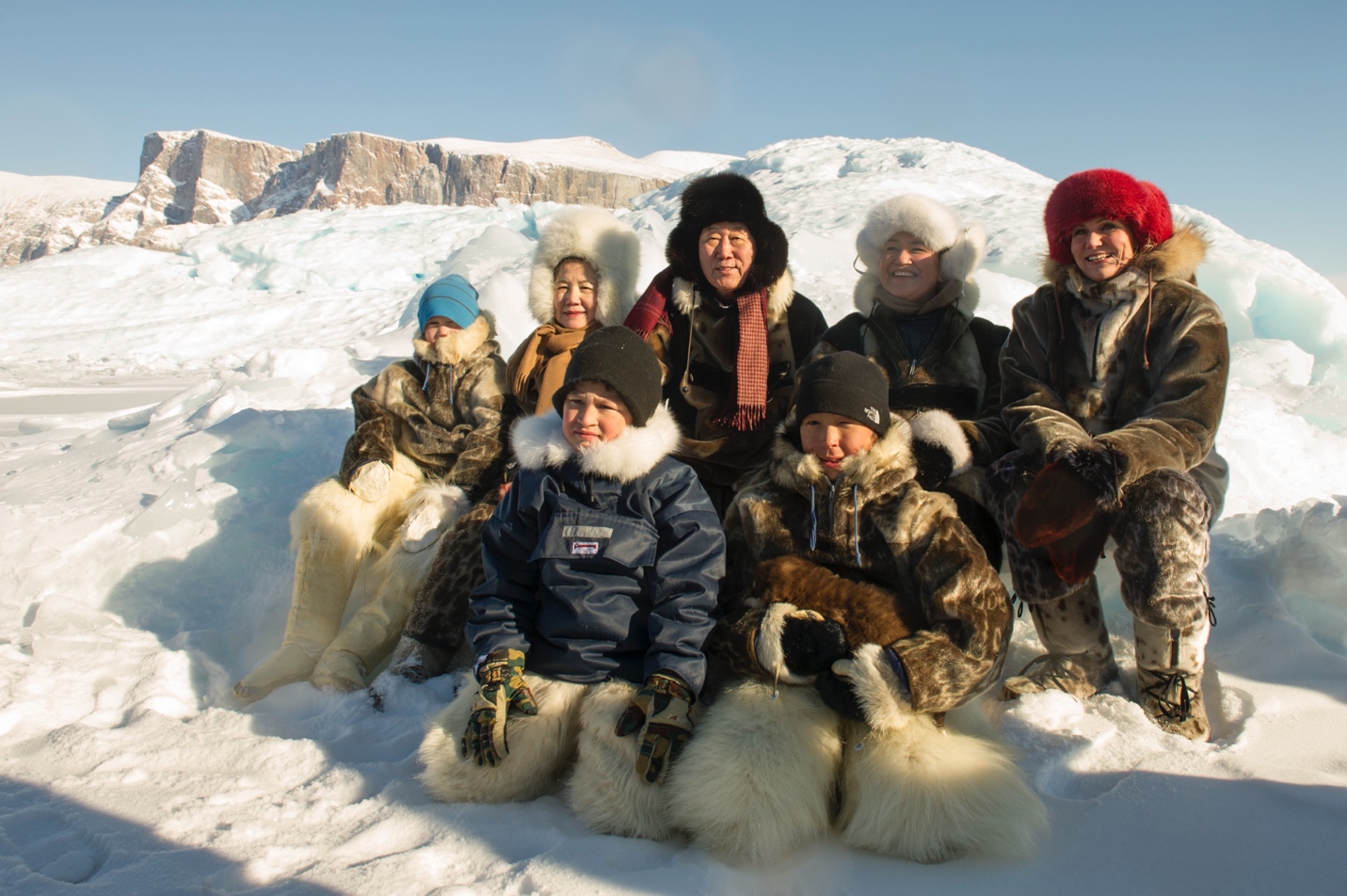
“Secretary-General Visits Greenland to See Impact of Climate Change” by United Nations Photo, CC BY-NC-ND 2.0.

“Secretary-General Visits Greenland to See Impact of Climate Change” by United Nations Photo, CC BY-NC-ND 2.0.

Abstract

Greenland represents one of the most comprehensive forms of Indigenous self-determination, especially after the enactment of the Act on Self-Government in 2009. How did Greenland move from Danish colonial rule to increasingly autonomous rule under the Home Rule Act of 1979 and the Act on Self-Government in 2009? As I answer this question, I highlight significant achievements in land management, language revitalization, civic participation, and cultural identity, alongside persistent challenges such as systemic discrimination, inadequate implementation of free, prior, and informed consent, and institutional dependency on Danish governance structures. Greenland’s trajectory shows how Indigenous mobilization can reshape governance, while also underscoring the complexities of creating sustainable, autonomous structures of self-rule.

Indigenous peoples governed themselves for centuries prior to colonization by the Western imperial powers that dispossessed them of their land and ability to continue their own government. These peoples, who preexist the colonial structures that have been imposed upon them, have now found themselves in a multi-generational struggle against governmental and economic systems of law, justice, and power that do not align with their conceptions of knowledge and values. In order to resolve this misalignment, Indigenous peoples across the world have demanded that their right to self-determination be restored by the governments that continue to impede upon this right. Self-determination is an Indigenous people’s autonomy in its internal governance and ability to establish a relationship of mutual recognition with the state.1 In practice, self-determination often involves Indigenous peoples gaining control of their land, creating community governance systems and policies that align with their values, facilitating the passing down of culture, participating in free, prior, and informed consent on topics relevant to their affairs, and interacting with the state as an equal partner rather than a subject of domination.

Here, I focus on the Kalaallit Inuit of Greenland, examining what self-determination looks like in practice on the world’s largest island. I explore how Greenland’s government has pursued political autonomy, cultural revitalization, and institutional reform, as well as how ongoing challenges reveal the unfinished nature of decolonization.

The Long Road to Self-Determination:

In 2025, Greenland is home to approximately 57,000 people, of whom 88.9% identify as Indigenous, primarily Kalaallit Inuit.2 The Kalaallit Inuit people have inhabited Greenland since at least 1150.3 For over 200 years, Greenland was governed as a Danish colony. After 1946, the United Nations (UN) listed Greenland as a “non-self-governing territory”, i.e. a territory “whose people have not yet attained a full measure of self-government” and are under the control of an “administering power”, in this case Denmark.4 Starting in 1954, the government of Denmark passed a constitutional amendment that integrated Greenland from a colonial territory into the core Danish realm, both giving Greenland representatives in Danish Parliament and starting a period of “Danification” that brought forced relocations, centralized education policies, and the influx of Danish settlers. While these changes disrupted Indigenous life, Denmark argued that Greenland’s representation in Danish government fulfilled their responsibility to provide Greenland with self-determination and had the United Nations remove Greenland from its list of non-self-governing territories without consulting Greenlanders directly.5

As a result of these injustices, the people of Greenland mobilized to forge a political path to self-determination. Denmark passed the Greenland Home Rule Act in 1979, which established a Greenlandic parliament and provided the region with a higher level of input on education, health, fisheries, and the environment.6 However, Rauna Kuokkanen, a Research Professor of Arctic Indigenous Studies at the University of Lapland and Adjunct Professor at the University of Toronto, described this period of governance as “a delegated authority with sovereignty vested firmly in Danish crown,” representing the frustrating lack of true representation and self-determination under the Home Rule scheme.7

Greenland’s internal government continued to push for greater independence from Denmark’s central government and received overwhelming support from the Greenlandic people. A 2008 referendum in Greenland, in which 75% of the population voted for self-government, led to action by the Danish government.8 After the passing of the Act on Self-Government by the Danish Parliament in 2009, Greenland began exercising an increasing level of self-determination, with control over the legal system, certain economic relations, language, and internal affairs being handed over from Denmark to Greenland’s government. These reforms have led to a revitalization of Inuit culture, the Greenlandic language, and a general sense of national identity. Moreover, the Act on Self-Government created a clear pathway to complete independence from Denmark, which has led to ongoing internal debates on the island regarding whether to pursue this option. Independence would be actualized via a referendum in Greenland, which must be initiated via a vote in the Greenlandic Parliament. If the referendum is successful, full sovereignty of Greenland and its territory would be transferred from the Danish to Greenlandic government.9 Throughout these movements, the primary goals of the Kalaallit Inuit people leading the push for self-determination have focused on reversing colonially-imposed structures, increasing jurisdictional autonomy, and gaining the ability to control the course of the nation’s future. The result has been a political system, with elections, parties, and levels of municipal and island-wide governance that are based-on but independent of the national Danish government. These reforms reshaped Greenland’s political systems and laid the groundwork for greater autonomy.

Self-determination and Collective Lands:

Self-determination in Greenland is most clearly reflected in the management of land. Unlike Denmark, where private ownership dominates, Greenland’s land remains entirely collectively owned. Within this framework of collective ownership, there are two types of usage: general territorial rights, in which every settlement determines how land is utilized, and preferential land rights, which are passed down ancestrally. Thus, activities and construction on most land require approval from either the local municipality or the central Greenlandic government.10 This framework protects cultural continuity, secures intergenerational stability, and prevents displacement. It represents a striking departure from colonial models that commodified land and imposed individual property rights. This style of land allocation is based on traditional practices that have spanned thousands of years, and has become increasingly formalized and protected in both the 1979 and 2009 laws. This system of land management provides a sense of long-term stability to communities, as they can continue passing down traditions and culture without fear of displacement or the weaponization of property ownership against them (eviction, sale of land by government, etc.).11

Self-determination and Free, Prior, and Informed Consent:

At the same time, the governance of mineral resources illustrates the difficulties of translating autonomy into practice. Interestingly, economically extractive processes and industries have, in fact, increased following the passage of the Act on Self-Government. The 2009 Mineral Resources Act initially lacked provisions for consultation, and later reforms in 2014 introduced only vague requirements.12 Communities affected by large-scale projects have often found themselves sidelined. Short consultation periods, inaccessible technical reports, and the dominance of foreign companies reveal gaps between the principle of free, prior, and informed consent and its actual implementation.13 Greenland’s struggle in this area demonstrates the tension between economic development and Indigenous sovereignty.

Self-determination and Linguistic Sovereignty:

One of the most visible aspects of self-determination in Greenland is linguistic sovereignty. Greenlandic is the language of the Indigenous peoples of Greenland, with West Greenlandic being the primary dialect spoken by the largest Ingenious group the Kalaallit Inuit and two other dialects (East and Thule) spoken more sparsely by other Originary peoples.14 In 2009, Greenlandic, replaced Danish as the island’s official language. To signal this shift, institutions of power (Parliament, universities, etc.) on the island also changed their names from Danish to Greenlandic.15 The implementation of Greenlandic as the official language significantly improved access to public services since 70% of the population only speaks Greenlandic.16 This change corrects the historic wrong of the 20th century, when Danish dominated education and public services, often preventing Inuit children from learning their mother tongue.17 Nowadays, the Greenlandic language is a cornerstone of public life in Greenland, reinforcing identity and cultural resilience.

Self-determination and Civic Life:

Civic engagement has been high, as the typical 72% voter turnout rate surpasses the global average of 60.9% and is above many countries, like the United States and most of Europe.18 This high level of civic engagement across the island marks a positive change, as it was not seen prior to Greenland’s self-determination being implemented. For instance, the northern and eastern parts of the island used to have no representation in the Provincial Council, which was the predecessor to the institutions that emerged following the restoration of self-determination. Nowadays, civic engagement is more universal, existing even in sparsely populated and remote areas, as all voting-eligible Greenlanders elect representatives for both the Greenlandic and Danish Parliaments.19

Remaining Challenges:

Despite progress, inequalities continue to shape daily life in Greenland. Reports by the United Nations highlight systemic discrimination in the public sphere and the lack of properly implemented free, prior, and informed consent as injustices that continue to persist.20 Greenlanders are more likely to experience homelessness, have higher dropout rates, and disproportionate governmental intervention in family life. Many of these challenges are amplified by institutional discrimination, such as limited services in Greenlandic and biases in the Danish welfare system. These systemic issues reveal how colonial legacies persist even under self-government, constraining the full realization of self-determination.
Another challenge lies in Greenland’s inherited political structures. Since Denmark resisted acknowledging the distinct status of Indigenous peoples, Greenland’s institutions largely replicate Danish parliamentary and legal systems. This has produced a paradox: although Greenland is governed by Inuit leaders, the framework itself is not rooted in Inuit traditions of governance. As a result, decision-making can reproduce colonial dynamics, such as insufficient consultation with communities. Furthermore, reliance on Danish civil servants and funding underscores the difficulty of building independent institutions capable of sustaining self-rule.

In conclusion, Greenland’s self-determination provides a vivid example of the importance of formalized documentation that enshrines and protects a people’s right to govern themselves. Legislative events like the passage of the Act on Self-Government in 2009 fundamentally changed the way Indigenous Greenlanders interacted with the state and actualized their rights. While challenges continue to persist, the strides made in Greenland represent one of, if not the most, comprehensive and solidified forms of Indigenous self-determination. As Indigenous peoples around the world seek to reclaim their rights, Greenland’s journey illuminates both the possibilities and potential limits of decolonization in the twenty-first century.

At the time of publication, the United States under President Donald Trump has been discussing a possible takeover of Greenland due to the island’s strategic position in the Arctic, igniting protests in Greenland and objection from Greenlandic, Dutch, and European governmental leaders.21 Despite the strides made in formalizing self-determination, the continued risk of Indigenous Greenlanders being subjected to imperial and colonial rule highlights how geopolitical influences may setback the rights of the Kalaallit peoples, especially as their input may go unheard in this disagreement between the US and Denmark.

**
**

Works cited

American Indian Law Program. “Self-Determining Greenland: A Primer”. Boulder, CO: University of Colorado Law School, 2025. https://www.colorado.edu/law/sites/default/files/2025-02/Self-Determining%20Greenland%20-%20A%20Primer%20%282.24.25%29.pdf.

Ackrén, Maria. “Public Consultation Processes in Greenland Regarding the Mining Industry.” Arctic Review on Law and Politics 7, no. 1 (May 23, 2016). https://arcticreview.no/index.php/arctic/article/download/216/803?inline=1.

Calí Tzay, José Francisco. “Visit to Denmark and Greenland.” New York, NY: United Nations, 2023. https://docs.un.org/en/A/HRC/54/31/Add.1

Cambou, Dorothée Céline. “Disentangling the Conundrum of Self-Determination and Its Implications in Greenland.” Polar Record 56 (2020): e3. https://helda.helsinki.fi/server/api/core/bitstreams/45cf2c13-e190-4c06-85bb-d57bf2ef04a6/content.

“Country Profile: Greenland.” International Foundation for Electoral Systems. Accessed April 20, 2025. https://www.electionguide.org/countries/id/86/.

Fullerton, Sarah. “Asta Mønsted Reveals Greenland Through the Inuit Oral Tradition.” UC Berkeley Research, February 13, 2025. https://vcresearch.berkeley.edu/news/asta-monsted-reveals-greenland-through-inuit-oral-tradition

Kuokkanen, Rauna. “Indigenous Self-Government in the Arctic: Assessing the Scope and Legitimacy in Nunavut, Greenland and Sápmi.” In Routledge Handbook of Indigenous Peoples in the Arctic. London: Routledge, 2020: 253-266. https://doi.org/10.4324/9780429270451-18.

Kuokkanen, Rauna. “‘To See What State We Are In’: First Years of the Greenland Self-Government Act and the Pursuit of Inuit Sovereignty.” Ethnopolitics 16 (2015): 179–95. https://doi.org/10.1080/17449057.2015.1074393.

Lightfoot, Sheryl R. Global Indigenous Politics: A Subtle Revolution. London: Routledge, 2016.

Regional Information Centre for Western Europe. “The Politics of Language in Greenland.” United Nations, February 19, 2021. https://unric.org/en/the-politics-of-language-in-greenland/.

Rytter, Jens Elo. “Self-Determination of Colonial Peoples – The Case of Greenland Revisited”, Nordic Journal of International Law 77, 4 (2008): 365-400, https://doi.org/10.1163/157181008X374889.

Tekeli, Maya “‘Yankee, Go Home’: Greenlanders Protest Trump’s Takeover Plans.” The New York Times, January 17, 2026. https://www.nytimes.com/2026/01/17/world/europe/greenland-denmark-protest-trump-takeover.html.

World Heritage Centre. “Kujataa Greenland: Norse and Inuit Farming at the Edge of the Ice Cap.” UNESCO, 2017. https://whc.unesco.org/en/list/1536/


  1. Sheryl R. Lightfoot, Global Indigenous Politics: A Subtle Revolution (London: Routledge, 2016), 10. ↩︎

  2. American Indian Law Program, “Self-Determining Greenland: A Primer” (Boulder, CO: University of Colorado Law School, 2025), 1. ↩︎

  3. Sarah Fullerton, “Asta Mønsted Reveals Greenland Through the Inuit Oral Tradition,” UC Berkeley Research, February 13, 2025. ↩︎

  4. For the UN definition of “non-self-governing territories” and “administering powers” and their present day lists, see, https://www.un.org/dppa/decolonization/en/nsgt, last consulted on January 8, 2026. ↩︎

  5. Dorothée Céline Cambou, “Disentangling the Conundrum of Self-Determination and Its Implications in Greenland,” Polar Record 56 (2020): 3, https://doi.org/10.1017/S0032247420000169. ↩︎

  6. Cambou, “Disentangling the Conundrum,” 1. ↩︎

  7. Rauna Kuokkanen, “Indigenous Self-Government in the Arctic: Assessing the Scope and Legitimacy in Nunavut, Greenland and Sápmi,” in Routledge Handbook of Indigenous Peoples in the Arctic (London: Routledge, 2020), https://doi.org/10.4324/9780429270451-18. ↩︎

  8. Cambou, “Disentangling the Conundrum,” 7. ↩︎

  9. Rauna Kuokkanen, “‘To See What State We Are In’: First Years of the Greenland Self-Government Act and the Pursuit of Inuit Sovereignty,” Ethnopolitics 16 (2015): 179–95, https://doi.org/10.1080/17449057.2015.1074393. ↩︎

  10. World Heritage Centre, “Kujataa Greenland: Norse and Inuit Farming at the Edge of the Ice Cap,” UNESCO, 2017, https://whc.unesco.org/en/list/1536/ ↩︎

  11. American Indian Law Program, “Self-Determining Greenland,” 1. ↩︎

  12. Maria Ackrén, “Public Consultation Processes in Greenland Regarding the Mining Industry,” Arctic Review on Law and Politics 7, no. 1 (May 23, 2016), ↩︎

  13. Ackrén, “Public Consultation Processes” ↩︎

  14. Regional Information Centre for Western Europe, “The Politics of Language in Greenland,” United Nations, February 19, 2021, https://unric.org/en/the-politics-of-language-in-greenland/. ↩︎

  15. Kuokkanen, “Indigenous Self-Government.” ↩︎

  16. Regional Information Centre for Western Europe, “The Politics of Language in Greenland.” ↩︎

  17. Regional Information Centre for Western Europe, “The Politics of Language in Greenland.” ↩︎

  18. “Country Profile: Greenland,” International Foundation for Electoral Systems, accessed April 20, 2025, https://www.electionguide.org/countries/id/86/. ↩︎

  19. Jens Elo Rytter, “Self-Determination of Colonial Peoples – The Case of Greenland Revisited,” Nordic Journal of International Law (2008): 388, https://doi.org/10.1163/157181008X374889. ↩︎

  20. José Francisco Calí Tzay, “Visit to Denmark and Greenland” (New York, NY: United Nations, 2023): 1, https://docs.un.org/en/A/HRC/54/31/Add.1. ↩︎

  21. Maya Tekeli, “‘Yankee, Go Home’: Greenlanders Protest Trump’s Takeover Plans,” The New York Times, January 17, 2026, https://www.nytimes.com/2026/01/17/world/europe/greenland-denmark-protest-trump-takeover.html. ↩︎

Citation

Anta, Darius. 2025. 'Decolonizing the Arctic: the right to Self-Determination of the Kalaallit Inuit of Greenland'. Dispossessions in the Americas. https://dia.upenn.edu/en/content/AntaD001/
Reading in Spanish

Narrative 1979 - 2025

Descolonización del Ártico: el derecho a la autodeterminación de los inuit kalaallit de Groenlandia

  • Anta, Darius

Published: 2025

"Visita del secretario general a Groenlandia para ver el impacto del cambio climático", fotografía de la base de datos de *United Nations Photo*, CC BY-NC-ND 2.0.

“Visita del secretario general a Groenlandia para ver el impacto del cambio climático”, fotografía de la base de datos de United Nations Photo, CC BY-NC-ND 2.0.

Reading in Portuguese

Narrative 1979 - 2025

Descolonizando o Ártico: o Direito à Autodeterminação dos Inuítes Kalaallit da Groenlândia

  • Anta, Darius

Published: 2025

“Secretário-Geral visita a Groenlândia para Avaliar o Impacto das Mudanças Climáticas” por United Nations Photo, CC BY-NC-ND 2.0.

“Secretário-Geral visita a Groenlândia para Avaliar o Impacto das Mudanças Climáticas” por United Nations Photo, CC BY-NC-ND 2.0.

Resumo

A Groenlândia representa uma das formas mais abrangentes de autodeterminação indígena, especialmente após a promulgação da Lei de Autogoverno em 2009. Como a Groenlândia passou do domínio colonial dinamarquês para um governo cada vez mais autônomo sob a Lei de Autonomia Interna de 1979 e a Lei de Autogoverno de 2009? Ao responder a esta pergunta, destaco conquistas significativas na gestão territorial, revitalização linguística, participação cívica e identidade cultural, juntamente com desafios persistentes, como a discriminação sistêmica, a implementação inadequada do consentimento livre, prévio e informado e a dependência institucional das estruturas de governança dinamarquesas. A trajetória da Groenlândia mostra como a mobilização indígena pode remodelar a governança, ao mesmo tempo que destaca as complexidades da criação de estruturas sustentáveis ​​e autônomas de autogoverno.

Os povos indígenas se autogovernaram durante séculos antes da colonização pelas potências imperiais ocidentais, que os desapropriaram de suas terras e da capacidade de manter seu próprio governo. Esses povos, que são anteriores às estruturas coloniais que lhes foram impostas, encontram-se agora em uma luta multigeracional contra sistemas governamentais e econômicos de direito, justiça e poder que não se alinham com suas concepções de conhecimento e valores. Para resolver esse desalinhamento, os povos indígenas de todo o mundo têm exigido que seu direito à autodeterminação seja restaurado pelos governos que continuam a impedi-lo. A autodeterminação é a autonomia de um povo indígena em sua governança interna e a capacidade de estabelecer uma relação de reconhecimento mútuo com o Estado.1 Na prática, a autodeterminação muitas vezes envolve os povos indígenas assumindo o controle de suas terras, criando sistemas e políticas de governança comunitária que estejam alinhados com seus valores, facilitando a transmissão da cultura, participando de consultas livres, prévias e informadas sobre assuntos relevantes para suas questões e interagindo com o Estado como um parceiro igualitário, em vez de um sujeito de dominação.

Aqui, dou um foco nos inuítes kalaallit da Groenlândia, examinando como a autodeterminação se manifesta na prática na maior ilha do mundo. Exploro como o governo da Groenlândia tem buscado a autonomia política, a revitalização cultural e a reforma institucional, bem como a forma como os desafios contínuos revelam a natureza inacabada da descolonização.

O Longo Caminho para a Autodeterminação:

Em 2025, a Groenlândia abriga aproximadamente 57.000 pessoas, das quais 88,9% se identificam como indígenas, principalmente os inuítes kalaallit.2 Os inuítes kalaallit habitam a Groenlândia desde pelo menos o ano 1150.3 Durante mais de 200 anos, a Groenlândia foi governada como uma colônia dinamarquesa. Após 1946, a Organização das Nações Unidas (ONU) classificou a Groenlândia como um “território não autônomo”, ou seja, um território “cujo povo ainda não alcançou um grau pleno de autogoverno” e está sob o controle de uma “potência administradora”, neste caso, a Dinamarca.4 A partir de 1954, o governo da Dinamarca aprovou uma emenda constitucional que integrou a Groenlândia, antes um território colonial, ao núcleo do território dinamarquês. Essa emenda concedeu à Groenlândia representantes no Parlamento dinamarquês e iniciou um período de “dinamarquisação” que trouxe consigo remoções forçadas, políticas educacionais centralizadas e a chegada de colonos dinamarqueses. Embora essas mudanças tenham perturbado a vida dos povos indígenas, a Dinamarca argumentou que a representação da Groenlândia no governo dinamarquês cumpria sua responsabilidade de garantir a autodeterminação groenlandesa e fez com que as Nações Unidas removessem a Groenlândia de sua lista de territórios não autônomos sem consultar os groenlandeses diretamente.5

Como consequência dessas injustiças, o povo da Groenlândia se mobilizou para trilhar um caminho político rumo à autodeterminação. A Dinamarca aprovou a Lei de Autonomia da Groenlândia em 1979, que estabeleceu um parlamento groenlandês e proporcionou à região um maior nível de participação em questões como educação, saúde, pesca e meio ambiente.6 No entanto, Rauna Kuokkanen, professora de pesquisa em Estudos Indígenas do Ártico na Universidade da Lapônia e professora adjunta na Universidade de Toronto, descreveu esse período de governança como “uma autoridade delegada com soberania firmemente investida na coroa dinamarquesa”, representando a frustrante falta de verdadeira representação e autodeterminação sob o regime de Autonomia.7

O governo interno da Groenlândia continuou a pressionar por uma maior independência do governo central da Dinamarca e recebeu apoio esmagador do povo groenlandês. Um referendo realizado na Groenlândia em 2008, no qual 75% da população votou a favor da autonomia, levou o governo dinamarquês a tomar medidas.8 Após a aprovação da Lei de Autogoverno pelo Parlamento Dinamarquês em 2009, a Groenlândia começou a exercer um nível crescente de autodeterminação, com o controle sobre o sistema jurídico, certas relações econômicas, idioma e assuntos internos sendo transferido da Dinamarca para o governo da Groenlândia. Essas reformas levaram a uma revitalização da cultura inuíte, da língua groenlandesa e a um senso geral de identidade nacional. Além disso, a Lei de Autogoverno criou um caminho claro para a independência total da Dinamarca, o que tem gerado debates internos contínuos na ilha sobre seguir ou não essa opção. A independência seria concretizada por meio de um referendo na Groenlândia, que deveria ser iniciado por uma votação no Parlamento da Groenlândia. Caso o referendo seja bem-sucedido, a soberania total da Groenlândia e seu território serão transferidos do governo dinamarquês para o governo groenlandês.9 Ao longo desses movimentos, os principais objetivos do povo inuíte kalaallit, que liderou a luta pela autodeterminação, concentraram-se em reverter as estruturas impostas pelo colonialismo, aumentar a autonomia jurisdicional e obter a capacidade de controlar o rumo do futuro da nação. O resultado foi um sistema político, com eleições, partidos e níveis de governança municipal e em toda a ilha, que se baseiam no governo nacional dinamarquês, mas são independentes dele. Essas reformas remodelaram os sistemas políticos da Groenlândia e lançaram as bases para uma maior autonomia.

Autodeterminação e Terras Coletivas:

A autodeterminação na Groenlândia se reflete mais claramente na gestão da terra. Ao contrário da Dinamarca, onde a propriedade privada predomina, na Groenlândia as terras permanecem inteiramente de propriedade coletiva. Nesse contexto de propriedade coletiva, existem dois tipos de uso: direitos territoriais gerais, em que cada assentamento determina como a terra é utilizada, e direitos preferenciais sobre a terra, que são transmitidos ancestralmente. Assim, as atividades e construções na maior parte da terra requerem aprovação da municipalidade local ou do governo central da Groenlândia.10 Essa estrutura protege a continuidade cultural, garante a estabilidade intergeracional e previne o deslocamento. Representa um afastamento notável dos modelos coloniais que mercantilizavam a terra e impunham direitos de propriedade individuais. Esse modelo de alocação de terras baseia-se em práticas tradicionais que se estendem por milhares de anos e tem sido cada vez mais formalizado e protegido pelas leis de 1979 e 2009. Esse sistema de gestão de terras proporciona uma sensação de estabilidade a longo prazo para as comunidades, pois elas podem continuar transmitindo tradições e cultura sem medo de deslocamento ou da instrumentalização da propriedade contra elas (despejo, venda de terras pelo governo, etc.).11

Autodeterminação e Consentimento Livre, Prévio e Informado:

Ao mesmo tempo, a governança dos recursos minerais ilustra as dificuldades de traduzir a autonomia em prática. Curiosamente, os processos e indústrias economicamente extrativas, na verdade, aumentaram após a aprovação da Lei de Autogoverno. A Lei de Recursos Minerais de 2009 inicialmente não previa consulta pública e as reformas posteriores, em 2014, introduziram apenas requisitos vagos.12 As comunidades afetadas por projetos de grande escala muitas vezes se veem marginalizadas. Curtos períodos de consulta, relatórios técnicos inacessíveis e o domínio de empresas estrangeiras revelam lacunas entre o princípio do consentimento livre, prévio e informado e sua implementação efetiva.13 A luta da Groenlândia nesta área demonstra a tensão entre o desenvolvimento econômico e a soberania indígena.

Autodeterminação e Soberania Linguística:

Um dos aspectos mais visíveis da autodeterminação na Groenlândia é a soberania linguística. O groenlandês é a língua dos povos indígenas da Groenlândia, sendo o groenlandês ocidental o principal dialeto falado pelo maior grupo indígena, os inuítes kalaallit, e outros dois dialetos (o groenlandês oriental e o thule) falados com menos frequência por outros povos originários.14 Em 2009, o groenlandês substituiu o dinamarquês como língua oficial da ilha. Para sinalizar essa mudança, as instituições de poder (Parlamento, universidades, etc.) da ilha também mudaram seus nomes de dinamarquês para groenlandês.15 A implementação do groenlandês como língua oficial melhorou significativamente o acesso aos serviços públicos, visto que 70% da população fala apenas groenlandês.16 Essa mudança corrige o erro histórico do século XX, quando os dinamarqueses dominaram a educação e os serviços públicos, muitas vezes impedindo que crianças inuítes aprendessem sua língua materna.17 Atualmente, a língua groenlandesa é um pilar da vida pública na Groenlândia, reforçando a identidade e a resiliência cultural.

Autodeterminação e Vida Cívica:

O engajamento cívico tem sido alto, com uma taxa típica de comparecimento às urnas de 72%, superior à média global de 60,9% e acima da de muitos países, como os Estados Unidos e a maior parte da Europa.18 Este elevado nível de envolvimento cívico em toda a ilha representa uma mudança positiva, uma vez que ele não era observado antes da implementação da autodeterminação da Groenlândia. Por exemplo, as regiões norte e leste da ilha não tinham representação no Conselho Provincial, que era o antecessor das instituições que surgiram após a restauração da autodeterminação. Hoje em dia, o engajamento cívico é mais universal, existindo até mesmo em áreas remotas e pouco povoadas, já que todos os groenlandeses com direito a voto elegem representantes tanto para o Parlamento da Groenlândia quanto para o Parlamento da Dinamarca.19

Desafios Restantes:

Apesar dos progressos, as desigualdades continuam a moldar o quotidiano na Groenlândia. Relatórios das Nações Unidas destacam a discriminação sistêmica na esfera pública e a falta de implementação adequada do consentimento livre, prévio e informado como injustiças que persistem.20 Os habitantes da Groenlândia têm maior probabilidade de se tornarem sem-teto, apresentam taxas de abandono escolar mais elevadas e sofrem intervenção governamental desproporcional na vida familiar. Muitos desses desafios são agravados pela discriminação institucional, como a limitação de serviços em groenlandês e os viéses no sistema de bem-estar social dinamarquês. Essas questões sistêmicas revelam como os legados coloniais persistem mesmo sob o autogoverno, restringindo a plena realização da autodeterminação.
Outro desafio reside nas estruturas políticas herdadas na Groenlândia. Como a Dinamarca resistiu em reconhecer o status distinto dos povos indígenas, as instituições da Groenlândia replicam em grande parte os sistemas parlamentar e jurídico dinamarquês. Isso gerou um paradoxo: embora a Groenlândia seja governada por líderes inuítes, a estrutura em si não está enraizada nas tradições de governança inuítes. Como resultado, a tomada de decisões pode reproduzir dinâmicas coloniais, como a consulta insuficiente às comunidades. Além disso, a dependência de funcionários públicos e financiamento dinamarqueses ressalta a dificuldade de construir instituições independentes capazes de sustentar a autogovernança.

Em conclusão, a autodeterminação da Groenlândia fornece um exemplo vívido da importância de documentação formalizada que consagre e proteja o direito de um povo de se autogovernar. Eventos legislativos como a aprovação da Lei de Autogoverno em 2009 mudaram fundamentalmente a forma como os povos indígenas da Groenlândia interagem com o Estado e exercem seus direitos. Embora os desafios persistam, os avanços alcançados na Groenlândia representam uma das formas mais abrangentes e consolidadas de autodeterminação indígena, senão a mais abrangente. Enquanto os povos indígenas ao redor do mundo buscam reivindicar seus direitos, a jornada da Groenlândia ilumina tanto as possibilidades quanto os potenciais limites da descolonização no século XXI.

No momento da publicação, os Estados Unidos, sob a presidência de Donald Trump, têm discutido uma possível anexação da Groenlândia devido à posição estratégica da ilha no Ártico, o que gerou protestos na Groenlândia e objeções por parte de líderes governamentais groenlandeses, dinamarqueses e de outros países europeus.21 Apesar dos avanços na formalização da autodeterminação, o risco contínuo de os povos indígenas da Groenlândia serem submetidos ao domínio imperial e colonial evidencia como as influências geopolíticas podem prejudicar os direitos dos kalaallit, especialmente porque suas opiniões podem ser ignoradas neste desacordo entre os EUA e a Dinamarca.

Trabalhos citados

American Indian Law Program. “Self-Determining Greenland: A Primer”. Boulder, CO: University of Colorado Law School, 2025. https://www.colorado.edu/law/sites/default/files/2025-02/Self-Determining%20Greenland%20-%20A%20Primer%20%282.24.25%29.pdf.

Ackrén, Maria. “Public Consultation Processes in Greenland Regarding the Mining Industry”. Arctic Review on Law and Politics 7, no. 1 (23 de maio de 2016). https://arcticreview.no/index.php/arctic/article/download/216/803?inline=1.

Calí Tzay, José Francisco. “Visit to Denmark and Greenland”. Nova Iorque, NY: Organização das Nações Unidas, 2023. https://docs.un.org/en/A/HRC/54/31/Add.1

Cambou, Dorothée Céline. “Disentangling the Conundrum of Self-Determination and Its Implications in Greenland”. Polar Record 56 (2020): e3. https://helda.helsinki.fi/server/api/core/bitstreams/45cf2c13-e190-4c06-85bb-d57bf2ef04a6/content.

“Country Profile: Greenland”. International Foundation for Electoral Systems. Acesso em 20 de abril de 2025. https://www.electionguide.org/countries/id/86/.

Fullerton, Sarah. “Asta Mønsted Reveals Greenland Through the Inuit Oral Tradition”. UC Berkeley Research, 13 de fevereiro de 2025. https://vcresearch.berkeley.edu/news/asta-monsted-reveals-greenland-through-inuit-oral-tradition

Kuokkanen, Rauna. “Indigenous Self-Government in the Arctic: Assessing the Scope and Legitimacy in Nunavut, Greenland and Sápmi”. In Routledge Handbook of Indigenous Peoples in the Arctic. Londres: Routledge, 2020: 253-266. https://doi.org/10.4324/9780429270451-18.

Kuokkanen, Rauna. “‘To See What State We Are In’: First Years of the Greenland Self-Government Act and the Pursuit of Inuit Sovereignty”. Ethnopolitics 16 (2015): 179–95. https://doi.org/10.1080/17449057.2015.1074393.

Lightfoot, Sheryl R. Global Indigenous Politics: A Subtle Revolution. Londres: Routledge, 2016.

Regional Information Centre for Western Europe. “The Politics of Language in Greenland”. Organização das Nações Unidas, 19 de fevereiro de 2021. https://unric.org/en/the-politics-of-language-in-greenland/.

Rytter, Jens Elo. “Self-Determination of Colonial Peoples – The Case of Greenland Revisited”, Nordic Journal of International Law 77, 4 (2008): 365-400, https://doi.org/10.1163/157181008X374889.

Tekeli, Maya “‘Yankee, Go Home’: Greenlanders Protest Trump’s Takeover Plans”. The New York Times, 17 de janeiro de 2026. https://www.nytimes.com/2026/01/17/world/europe/greenland-denmark-protest-trump-takeover.html.

World Heritage Centre. “Kujataa Greenland: Norse and Inuit Farming at the Edge of the Ice Cap”. UNESCO, 2017. https://whc.unesco.org/en/list/1536/


  1. Sheryl R. Lightfoot, Global Indigenous Politics: A Subtle Revolution (Londres: Routledge, 2016), 10. ↩︎

  2. American Indian Law Program, “Self-Determining Greenland: A Primer” (Boulder, CO: University of Colorado Law School, 2025), 1. ↩︎

  3. Sarah Fullerton, “Asta Mønsted Reveals Greenland Through the Inuit Oral Tradition”, UC Berkeley Research, 13 de fevereiro de 2025. ↩︎

  4. Para a definição da ONU sobre “territórios não autônomos” e “potências administradoras” e suas listas atuais, ver https://www.un.org/dppa/decolonization/en/nsgt, último acesso em 8 de janeiro de 2026. ↩︎

  5. Dorothée Céline Cambou, “Disentangling the Conundrum of Self-Determination and Its Implications in Greenland,” Polar Record 56 (2020): 3, https://doi.org/10.1017/S0032247420000169. ↩︎

  6. Cambou, “Disentangling the Conundrum”, 1. ↩︎

  7. Rauna Kuokkanen, “Indigenous Self-Government in the Arctic: Assessing the Scope and Legitimacy in Nunavut, Greenland and Sápmi”, in Routledge Handbook of Indigenous Peoples in the Arctic (Londres: Routledge, 2020), https://doi.org/10.4324/9780429270451-18. ↩︎

  8. Cambou, “Disentangling the Conundrum”, 7. ↩︎

  9. Rauna Kuokkanen, “‘To See What State We Are In’: First Years of the Greenland Self-Government Act and the Pursuit of Inuit Sovereignty”, Ethnopolitics 16 (2015): 179–95, https://doi.org/10.1080/17449057.2015.1074393. ↩︎

  10. World Heritage Centre, “Kujataa Greenland: Norse and Inuit Farming at the Edge of the Ice Cap”, UNESCO, 2017, https://whc.unesco.org/en/list/1536/ ↩︎

  11. American Indian Law Program, “Self-Determining Greenland”, 1. ↩︎

  12. Maria Ackrén, “Public Consultation Processes in Greenland Regarding the Mining Industry”, Arctic Review on Law and Politics 7, no. 1 (23 de maio de 2016), ↩︎

  13. Ackrén, “Public Consultation Processes”. ↩︎

  14. Regional Information Centre for Western Europe, “The Politics of Language in Greenland”, Organização das Nações Unidas, 19 de fevereiro de 2021, https://unric.org/en/the-politics-of-language-in-greenland/. ↩︎

  15. Kuokkanen, “Indigenous Self-Government”. ↩︎

  16. Regional Information Centre for Western Europe, “The Politics of Language in Greenland”. ↩︎

  17. Regional Information Centre for Western Europe, “The Politics of Language in Greenland”. ↩︎

  18. “Country Profile: Greenland”, International Foundation for Electoral Systems, acesso em 20 de abril de 2025, https://www.electionguide.org/countries/id/86/. ↩︎

  19. Jens Elo Rytter, “Self-Determination of Colonial Peoples – The Case of Greenland Revisited”, Nordic Journal of International Law (2008): 388, https://doi.org/10.1163/157181008X374889. ↩︎

  20. José Francisco Calí Tzay, “Visit to Denmark and Greenland” (Nova Iorque, NY: Organização das Nações Unidas, 2023): 1, https://docs.un.org/en/A/HRC/54/31/Add.1. ↩︎

  21. Maya Tekeli, “‘Yankee, Go Home’: Greenlanders Protest Trump’s Takeover Plans,” The New York Times, January 17, 2026, https://www.nytimes.com/2026/01/17/world/europe/greenland-denmark-protest-trump-takeover.html. ↩︎

Citation

Anta, Darius. 2025. 'Descolonizando o Ártico: o Direito à Autodeterminação dos Inuítes Kalaallit da Groenlândia'. Dispossessions in the Americas. https://dia.upenn.edu/pt/content/AntaD001/

Related Content

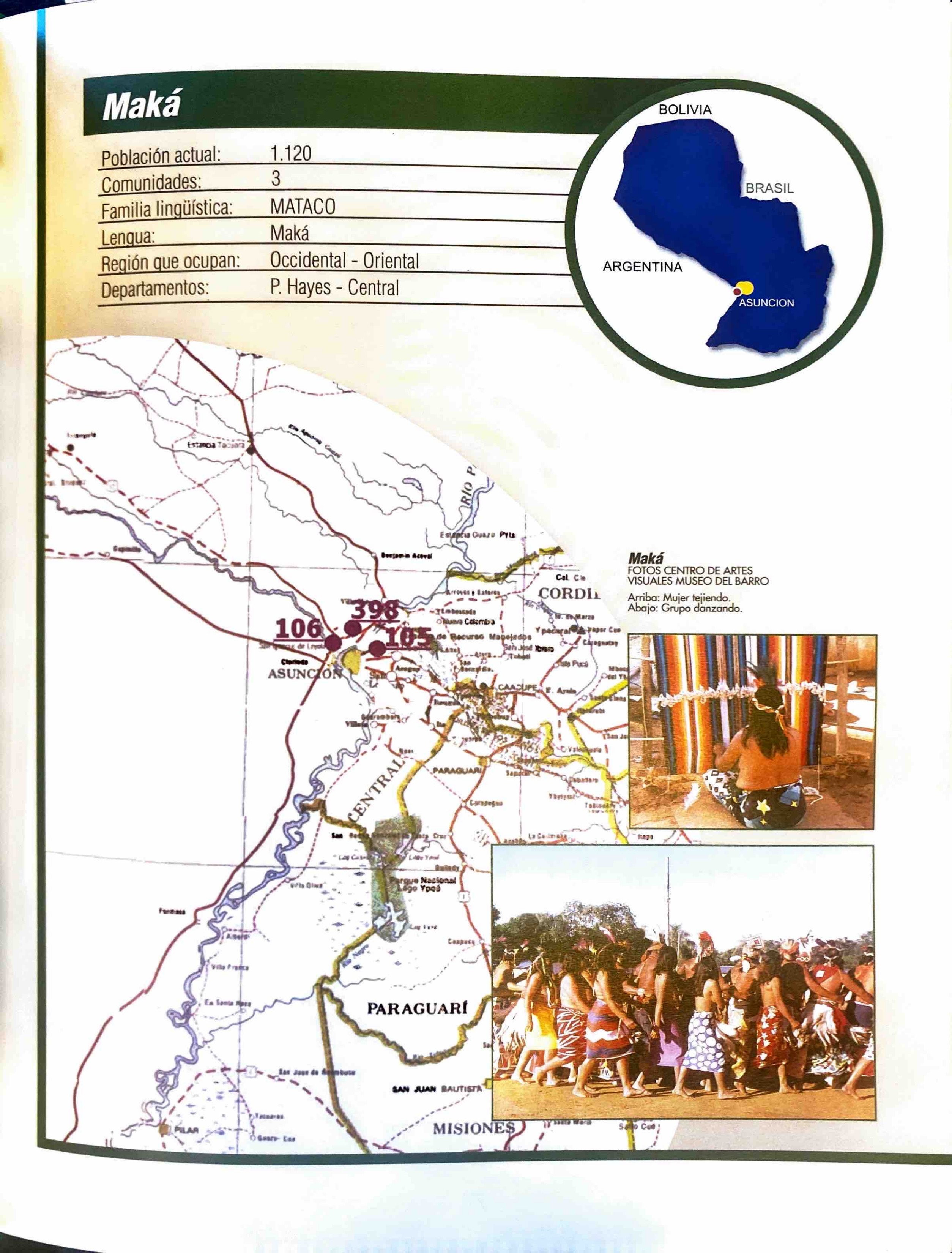
Maká

Maká

Map 2001
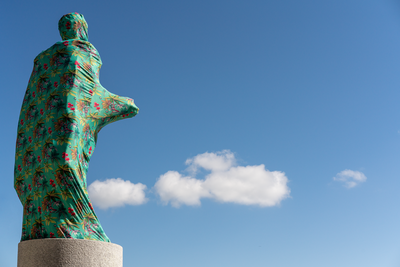
Cover-up of the Christopher Columbus statue behind the Bayfront Park Amphitheater in Miami, Florida

Cover-up of the Christopher Columbus statue behind the Bayfront Park Amphitheater in Miami, Florida

Artwork
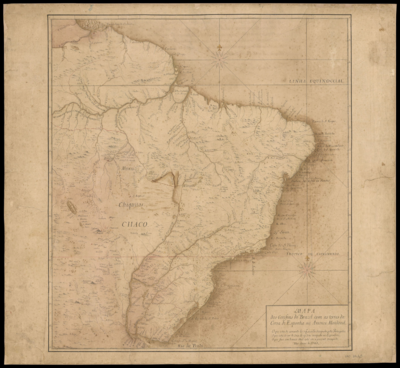
MAPA dos confins do Brazil com as terras da Coroa de Espanha na America Meridional

MAPA dos confins do Brazil com as terras da Coroa de Espanha na America Meridional

Map 1749
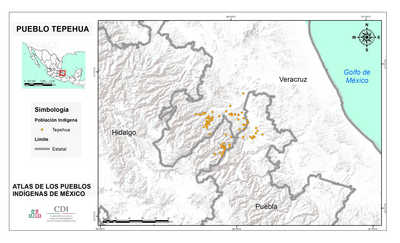
PUEBLO TEPEHUA

PUEBLO TEPEHUA

Map 2020
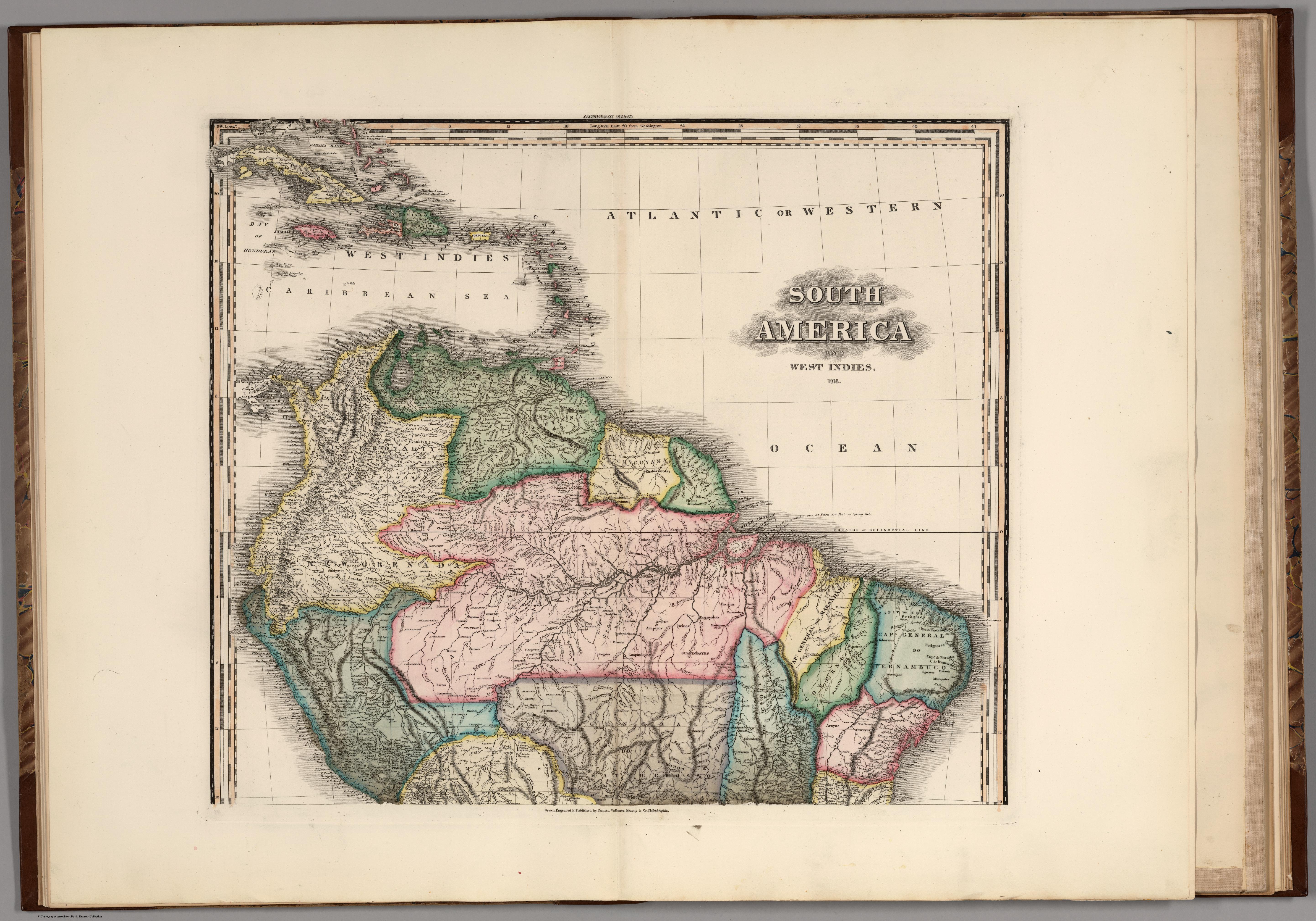
South America and West Indies. 1818

South America and West Indies. 1818

Map 1818
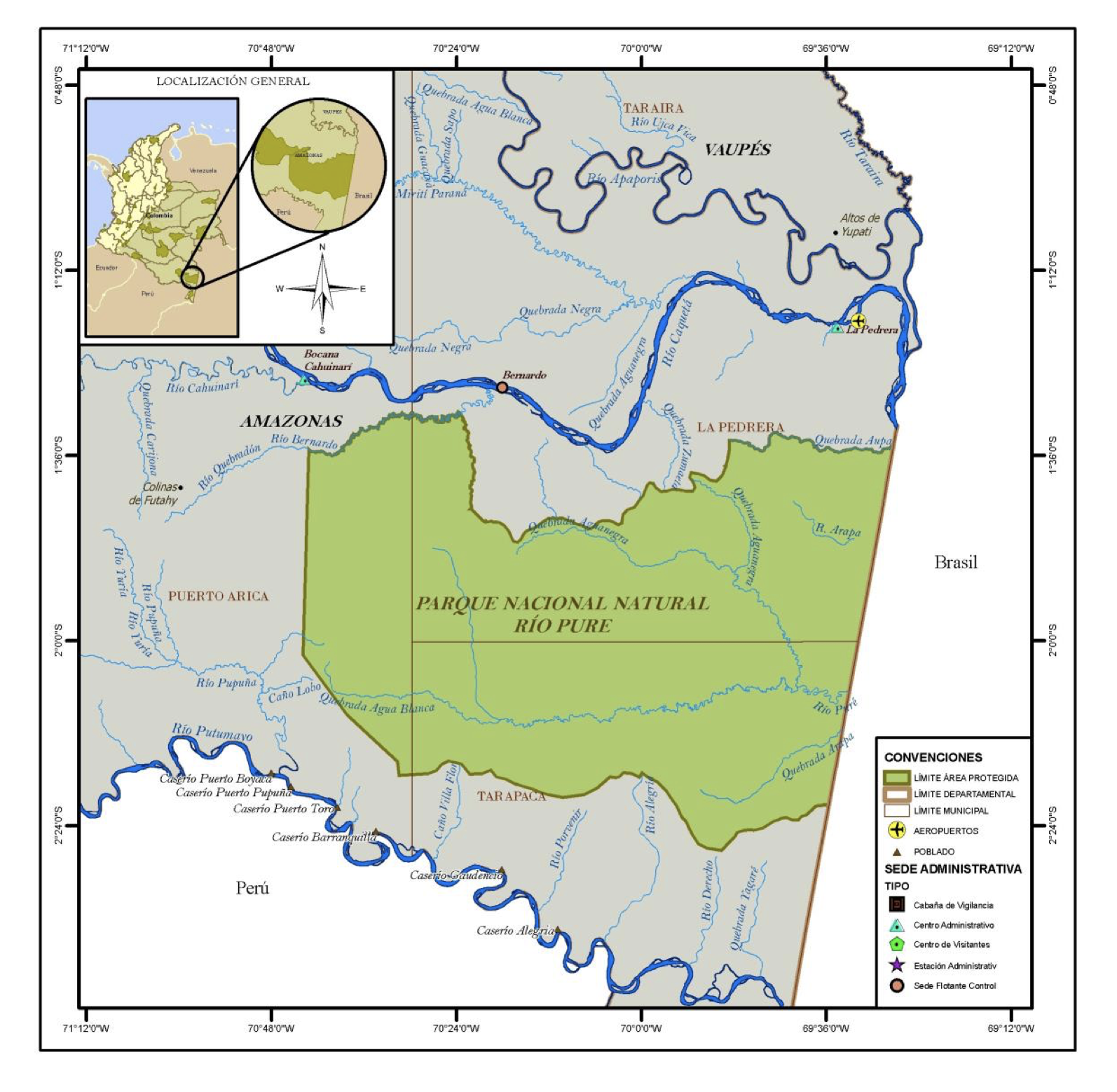
Ubicación Corregimiento de la Pedrera

Ubicación Corregimiento de la Pedrera

Map 2019
Money doesn’t grow on trees but avocados do (Oro verde)

Money doesn’t grow on trees but avocados do (Oro verde)

Artwork
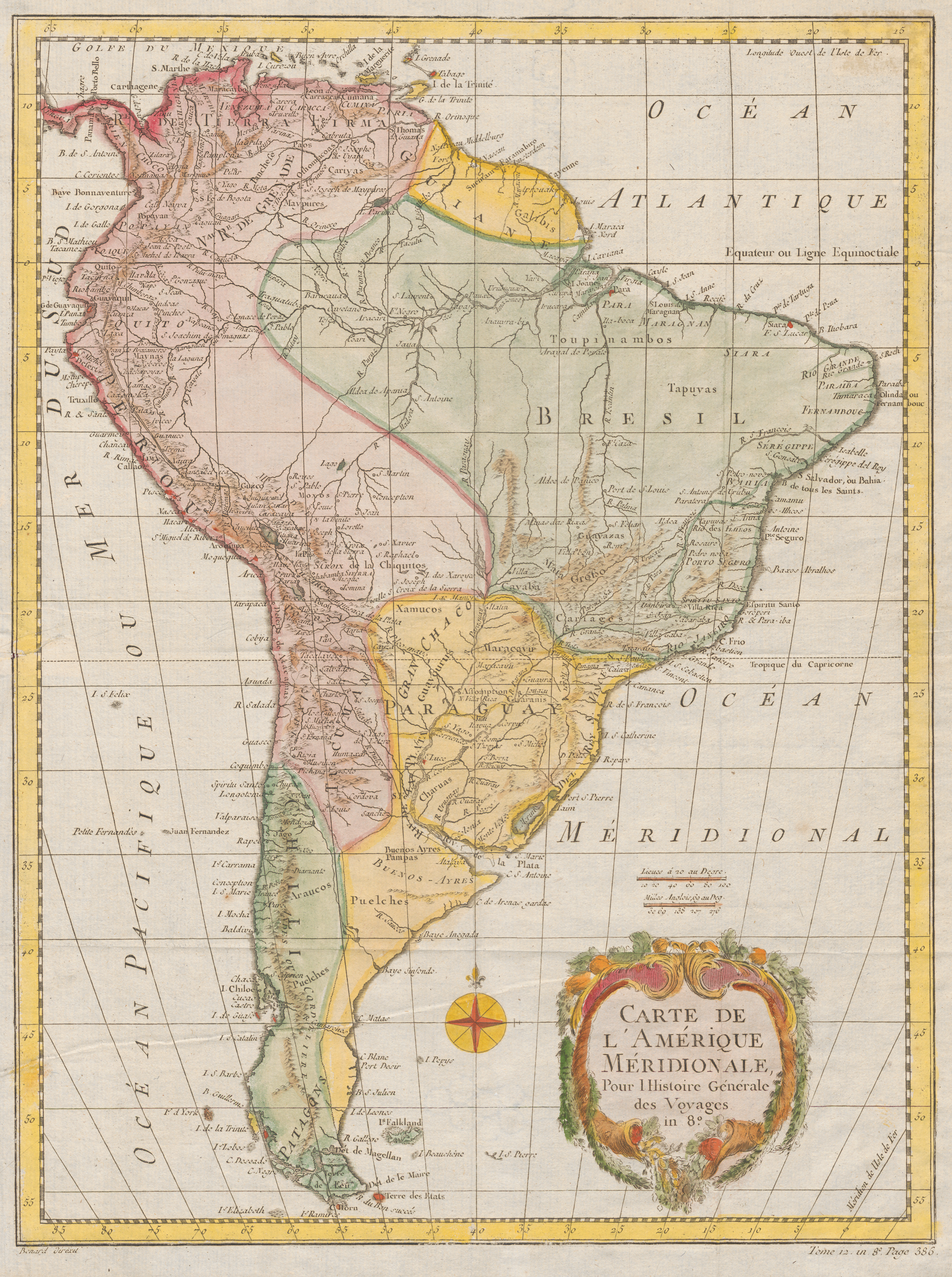
Carte De L'Amérique Méridionale. Pour l Histoire Générale

Carte De L'Amérique Méridionale. Pour l Histoire Générale

Map 1700 - 1770

Dispossessions in the Americas

A project by

University of Pennsylvania

Copyright 2024

With support from

Mellon Foundation

Site design & development

Element 84

Art Credits

“Secretary-General Visits Greenland to See Impact of Climate Change” by United Nations Photo, CC BY-NC-ND 2.0.

Site Pages

  • Home
  • Explore
  • About
  • Authors
  • Art
  • Bodies
  • Curricula
  • Cultural Heritage
  • Maps
  • Territories