Dispossesions in the Americas

Dispossesions in the Americas

  • Home
  • Explore
  • About
  • Authors
  • Art
  • Bodies
  • Curricula
  • Cultural Heritage
  • Maps
  • Territories
Back to Explore
Narrative 1993 - 2023

In the Quest for the Andean Cat: A Legal Battle Against Mining in Chile

  • Angel Botero, Carolina

Published: 2024

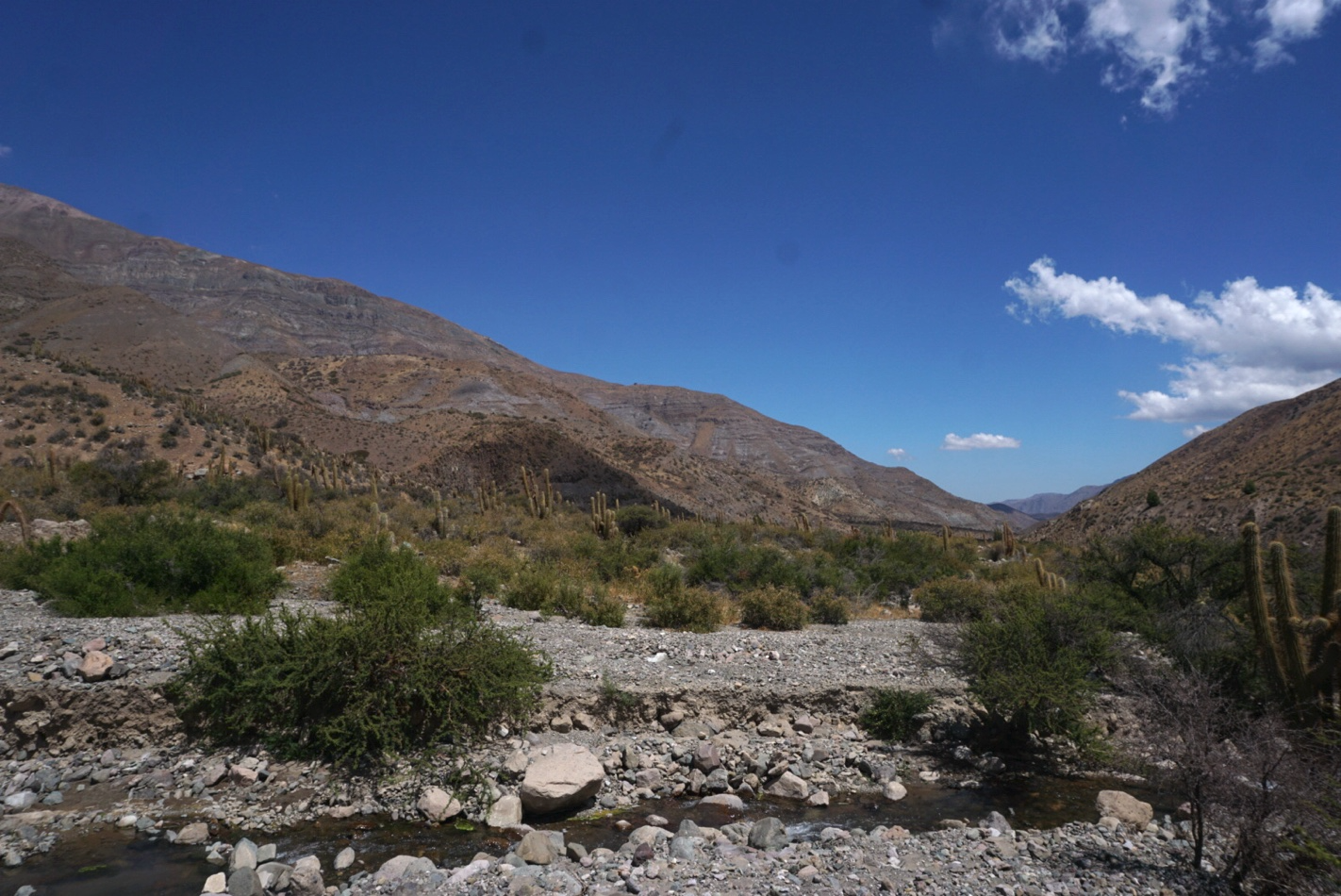
View from the Rocín River. Andean Mountains. Credit: Author

View from the Rocín River. Andean Mountains. Credit: Author

Abstract

The Andean Cat is at the center of a legal dispute over access to water resources due to a copper extraction project in Chile. This species is unique to the Southern Andes region, spanning Peru, Bolivia, Chile, and Argentina.

The Andean cat bears a strong resemblance to a domestic cat. It is known as “the ghost of the Andes” because of the few observations made of this cat. Its scientific name is Leopardus jacobita,1, as it was named by an American naturalist in 1865. The request for its protection comes amid a lawsuit against the environmental impact study that authorized the operation of an open-pit copper mine a few kilometers from the commune of Putaendo, in the Province of San Felipe de Aconcagua, in the Valparaiso region, in Central Chile. Local organizations and community members argued before the Chilean Environmental Court that the presence of the Andean cat in the mining operation area had been omitted from the study.

In this study, the focus is on connecting the rights of nature to the issue of land and resource ownership in Putaendo. First, I will provide an overview of Putaendo, a place known for its beautiful mountains. After that, I will explain my interpretation of the rights of nature in this context and why this perspective enables us to examine current practices of dispossession. This will bring us to the question of what dispossession entails in this specific setting.

Putaendo

Putaendo is located on the border between Chile and Argentina, near the Los Libertadores Pass. The mountains, mainly covered with rock, give the sensation of being on another planet. That has been the main argument for thinking that drilling once again these mountains will not affect anything without considering that this rocky landscape is home to multiple rock glaciers. And, that its small vegetation is part of a particular ecosystem called the Andean steppe that is shared between Chile and Argentina. An area of grasslands and scrublands with a high number of endemic species.

The race to document life in this central area of the Chilean Andes was driven by local scientists, not only for the advancement of science but also in a confrontation with a mining project that came to Puatendo in 2007.2 Los Andes Copper, a Canadian company that owns the mining rights to Vizcachitas Holding, has big plans for the site. It proposes to be an open pit mine, the next largest copper mine in Chile, with a life of 26 years.3 That’s a lot for a mining country and the world’s leading copper exporter.

Other mining projects exist in Los Andes, near Putaendo. However, what is unique about this case is how the local community has fought to stop the mining company’s advance. Also, the response of the Environmental Tribunal, an institution created a little more than 10 years ago in Chile, plays an important role. This is where the Andean cat and the rights of nature become relevant.

Perhaps the greatest concern for the people of Putaendo is the future of their water sources. The Ministry of the Interior has declared a water shortage in this region for the past 14 years. In 2019, it was named a disaster zone due to the lack of water. 4 Pastoralists who still practice transhumance in the mountains say they have lost 80% of their animals during the drought. The mining project is expected to use the water sources, contaminate them, and destroy aquifers and rock glaciers in the mountains during copper drilling. It was only in 2016 that the first studies were conducted on these glaciers, which lack the usual white and snowy appearance. And, as their name suggests, they are composed of rock and ice.5
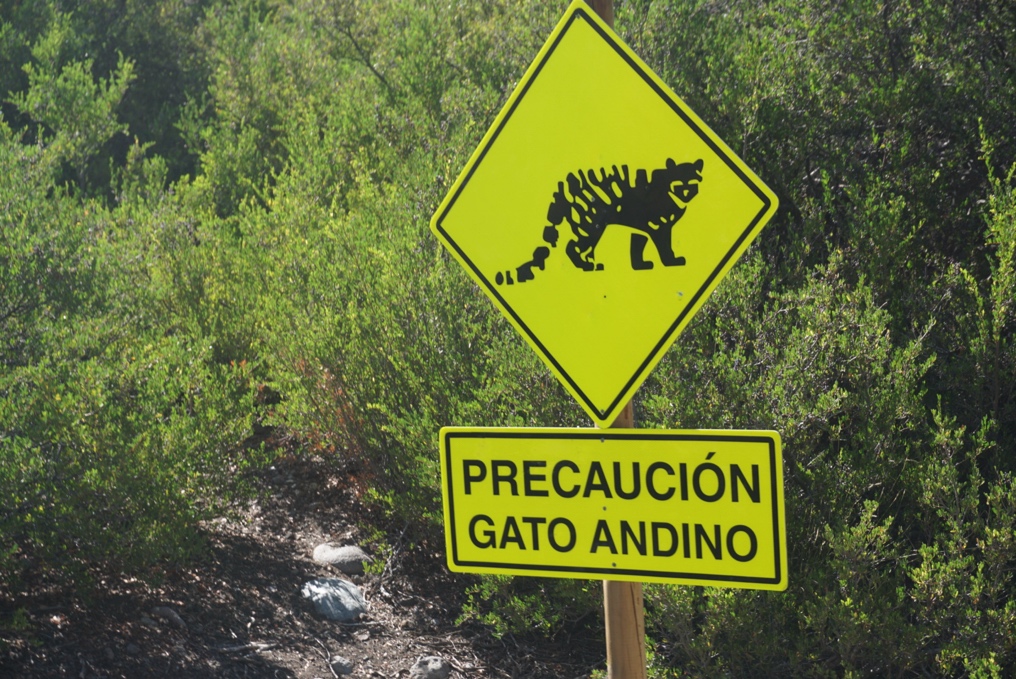
Signage on the road leading to the Vizcachitas copper exploration site. Photo: Author

Signage on the road leading to the Vizcachitas copper exploration site. Photo: Author

Rights of Nature

In 2020, motivated to confront the mining company, a group of biologists and an environmental engineer set out searching for the Andean cat. It was she who, from her knowledge of mining licensing processes, knew that they could reverse the environmental impact study if they found a subject of special protection in Chilean legislation, such as the Andean cat. One of the pastoralists with whom I spent my days in Chile, and who took this group of scientists to the mountain in search of Leopardus jacobita, told me that it took more than a year and 3150 camera trap photos to get one image of the cat. It makes sense when it comes to photographing a ghost. With proof that the cat was there, they hired a lawyer to represent them in litigation against the mining license.

The Court granted the plaintiffs’ request to temporarily suspend the mining operation in order to protect the Andean cat. The company was also required to develop a project focused on protecting the cat and its habitat. Unlike Ecuador and Bolivia, which have specific provisions in their constitutions and laws, in Chile, rights of nature are granted through the courts due to the absence of specific laws on this issue. The Court’s protection in this case is for the cat and its habitat, rather than for the community or water rights. In Chile, individual water rights are distinct from land rights, and claims related to water are handled by the General Water Directorate as an administrative procedure. In cases of improper water use, the institution enforces sanctions, such as fines, as was the situation in 2017. How can you protect something you don’t own but are being dispossessed of?

Dispossession

The case demonstrates that while the focus is on protecting the cat to preserve the species, any measures taken to ensure the cat’s well-being also have a direct impact on the residents of Putaendo. Initially, I found it challenging to comprehend that protecting the cat was a means of advocating for access to water. I couldn’t understand why priority was given to the cat when the community itself lacked water. It was difficult for me to see the clear connection as I tried to understand the different perspectives in this situation, especially from the cat’s point of view.

The dispute involving the Andean cat brings attention to the fact that the residents in this area lack control over their water sources and way of life. Dispossession occurs when ownership and control of resources are transferred to mining companies through exploration and future exploitation titles. This perpetuates the legacy of colonialism and further marginalizes local inhabitants by appropriating nature in the name of the State and economic development. The mining project threatens people’s ability to continue living in this place. Therefore, it’s important to form alliances with other beings of nature to protect their shared habitat.

The impacts of mining projects are not limited to the specific location where they occur. The effects of mineral extraction are linked to various locations as well as to different environmental, economic, and political realities. This is due to the interconnected nature of ecosystems, which are communities of organisms interacting with each other. Recognizing and understanding this interconnectedness lies at the heart of what the Rights of Nature seek to address.

References

Fernández Navarro, H. A., & Acuña, F. J. F. 2018. Rocky glaciers in the semi-arid zone of Chile: The relevance of an unregulated water resource. Cuadernos de Geografia: Revista Colombiana de Geografia, 27(2), 338–355. https://doi.org/10.15446/rcdg.v27n2.63370

Ministerio del Interior y Seguridad Pública. (n.d.). Ley Chile - Decreto 398 03-NOV-2020 MINISTERIO DEL INTERIOR Y SEGURIDAD PÚBLICA, SUBSECRETARÍA DEL INTERIOR - Biblioteca del Congreso Nacional. Retrieved May 30, 2024, from https://www.bcn.cl/leychile/navegar?idNorma=1151245

Tetra Tech. 2023. Vizcachitas Project Prefeasibility Study Vaparaiso Region, Chile NI-43101 Technical Report. Santiago, Chile: Tetra Tech, p. 252.

Villalba, L., et. al. 2016. Leopardus jacobita, Andean Cat. THE IUCN RED LIST OF THREATENED SPECIES https://doi.org/10.2305/IUCN.UK.2016-1.RLTS.T15452A50657407.en


  1. Villalba, L., Leopardus jacobita: Andean Cat, 2016, 1. ↩︎

  2. In 2015, a group of local scientists from Putaendo founded Flora del Valle de Putaendo with an interest in identifying and creating species inventories for the region. The lack of information about the life and species inhabiting these mountains has fueled the perception that this is a land of rocks. In October 2023, they contributed to the latest species survey and classification conducted by the Chilean Ministry of Environment. Their contribution included the identification of three plants and a new reptile that are unique to this mountainous region. The group has collaborated with other initiatives, such as the Yastay Foundation, which links traditional practices with the conservation of native species. They also worked with the organization behind the documentary “Seeking the Anden Cat”, which shows the natural uniqueness of the region through stunning images of the Andes and the Andean Cat. ↩︎

  3. The region is also home to several other mines, such as El Teniente (which has 108 billion pounds of copper), Rio Blanco (which has 101 billion pounds of copper), Los Pelambres (which has 54 billion pounds of copper) and Los Bronces (which has 25 billion pounds of copper) according to data from the technical report prepared for the feasibility of the Vizcachitas mining project in 2023. Available at: Tetra Tech. “Vizcachitas Project Prefeasibility Study Vaparaiso Region, Chile NI-43101 Technical Report.” 2023. Santiago, Chile: Tetra Tech, p. 252. ↩︎

  4. Ministry of the Interior, Extends validity of the declaration of areas affected by catastrophe, 3 ↩︎

  5. Fernandez and Ferrando, Rocky Glaciers in the Semiarid Zone of Chile, 340. ↩︎

Citation

Angel Botero, Carolina. 2024. 'In the Quest for the Andean Cat: A Legal Battle Against Mining in Chile'. Dispossessions in the Americas. https://dia.upenn.edu/en/content/Angel-BoteroC001/
Reading in Spanish

Narrative 1993 - 2023

En busca del gato andino: una batalla legal contra una minera en Chile

  • Angel Botero, Carolina

Published: 2024

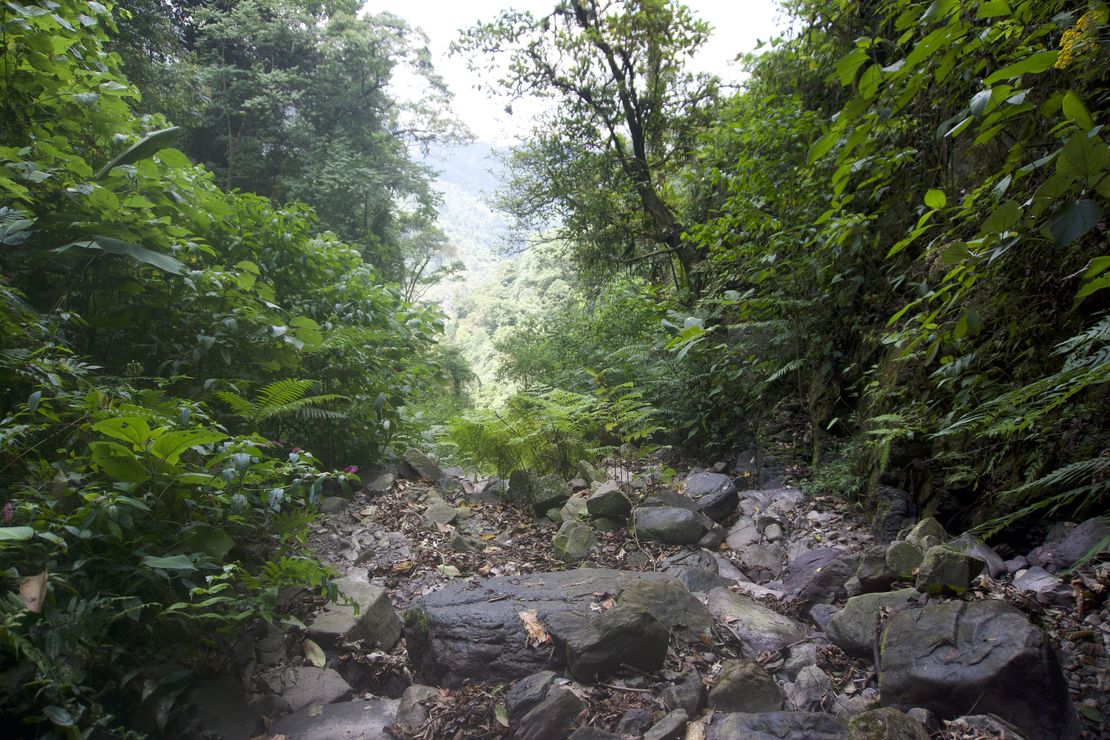
Vista desde el río Rocín. Montañas Andinas. Crédito: Autora

Vista desde el río Rocín. Montañas Andinas. Crédito: Autora

Reading in Portuguese

Narrative 1993 - 2023

Em busca do gato andino: uma batalha legal contra uma companhia mineradora no Chile

  • Angel Botero, Carolina

Published: 2024

Vista desde o rio Rocín. Montanhas andinas. Crédito: Autora

Vista desde o rio Rocín. Montanhas andinas. Crédito: Autora

Resumo

Na busca do gato andino oculta-se uma luta pela água, um litígio para proteger o gato andino, endêmico na região dos Andes, que habita entre o Peru, a Bolívia, o Chile e a Argentina.

O gato andino é muito semelhante ao gato doméstico. É conhecido como “o fantasma dos Andes” devido às poucas ocasiões em que foi visualizado. Seu nome científico é Leopardus jacobita,1 nome que lhe deu um naturalista americano, em 1865. A solicitação de protegê-lo ocorre em meio de uma demanda contra o estudo de impacto ambiental que autorizou a operação de uma mina de cobre a céu aberto a poucos quilômetros da comuna de Putaendo, na província de San Felipe de Aconcagua, na região de Valparaíso, no centro do Chile. Algumas organizações locais e pessoas da comunidade afirmaram junto do Tribunal Ambiental de Chile que esse estudo tinha omitido a presença do gato andino na área de operação da mineradora.

Este trabalho estabelece uma relação entre os direitos da natureza e uma pergunta pelo despojo e a propriedade da terra e os recursos em Putaendo. Assim, primeiro vou apresentar Putaendo, para situar-nos nesse lugar mágico de montanhas intermináveis. Depois, vou explicar brevemente como eu entendo os direitos da natureza neste caso, e por que esta abordagem particular permite analisar as práticas contemporâneas de despojo. E isso nos leva à pergunta sobre o significado da palavra despojo neste contexto.

Putaendo

Putaendo está localizada na fronteira do Chile e a Argentina, perto da área de passagem dos libertadores. As montanhas, cobertas principalmente de rocha, parecem ser de outro planeta. Esse tem sido o principal argumento para pensar que perfurar de novo essas montanhas não seria prejudicial. Mas isso não leva em consideração que esta paisagem rochosa é o local de origem de inúmeras geleiras de rocha e que sua vegetação de pequeno porte pertence a um ecossistema particular que se chama estepe andina, compartilhada entre o Chile e a Argentina, uma área de pastagem e mato com alto número de endemismos.

A iniciativa de documentação da vida nesta área central dos Andes chilenos foi impulsionada por cientistas locais, não só em favor da ciência, mas também como forma de enfrentar um projeto minerador que chegou a Putaendo em 2007.2 A companhia canadense Los Andes Copper, proprietária dos direitos de mineração do Holding Vizcachitas, tem grandes projetos para este lugar. Propõe-se ser uma mina a céu aberto, a futura maior exploração de cobre do Chile, com uma vida de 26 anos.3 Isso é muito para um país mineiro e primeiro exportador de cobre do mundo.

Na região andina, perto de Putaendo, há outros projetos mineradores também importantes. A particularidade deste caso, entretanto, é a forma como a comunidade local tem lutado para parar o avanço da mineradora. Mas também, a resposta do Tribunal Ambiental, uma instituição que foi criada há um pouco mais de 10 anos, no Chile. Aqui é onde o gato andino e os direitos da natureza adquirem relevância.

Talvez a maior preocupação para as pessoas de Putaendo seja o futuro de suas fontes de água. Nesta região, o Ministério do Interior tem declarado a escassez hídrica ao longo dos últimos 14 anos. Em 2019, foi designada como zona de catástrofe, devido à falta de água. 4 Vaqueiros que ainda praticam a transumância na montanha afirmam ter perdido 80% dos animais durante a estiagem. O projeto minerador se propõe não só utilizar e poluir as fontes de água, é sabido que a perfuração do solo em busca de cobre destrói as camadas subterrâneas e as geleiras de rocha que se encontram nessas montanhas. Só em 2016 foram feitos os primeiros estudos sobre essas geleiras que cujo aspecto não é branco e nevado. E como o nome indica, estão compostas de rocha e gelo.5

Sinalização no caminho que conduz ao local de exploração de cobre da companhia Vizcachitas. Foto: Autora

Sinalização no caminho que conduz ao local de exploração de cobre da companhia Vizcachitas. Foto: Autora

Direitos da natureza

Em 2020, com o objetivo de enfrentar a companhia mineradora, um grupo de biólogos e uma engenheira ambiental, iniciaram a busca do gato andino. A engenheira ambiental foi quem, por ter conhecimento sobre os processos de licenciamento para extração mineral sabia que poderiam reverter o estudo de impacto ambiental se encontrassem um sujeito especialmente protegido na legislação chilena, como é o gato andino. Um dos vaqueiros com quem estive durante a minha estadia no Chile, e quem conduziu este grupo de cientistas até a montanha em busca do Leopardus jacobita me contou que a busca durou mais de um ano e foram tomadas 3150 fotos da câmara trap para conseguir uma foto que pudesse ser utilizada. Faz sentido quando se trata de fotografar um fantasma. Tendo a prova de que o gato se encontrava ali, eles contrataram uma advogada para que os representasse no processo judicial contra a entrega da licença à mineradora.

O Tribunal aceitou o pedido dos demandantes e parou a atividade da mineradora, mediante uma medida dirigida a proteger o gato andino. Além disso, solicitou à empresa que elaborasse um projeto que contemplasse a presença do gato e sua proteção. Da mesma forma que no caso colombiano, no Chile, os direitos da natureza são defendidos por via judicial porque não existe uma lei específica nessa matéria. À diferença do Equador e da Bolívia que incluíram disposições específicas nas respectivas constituições. Neste caso, embora a discussão tenha fundamento na legislação ambiental, é o gato quem recebe a proteção que o Tribunal outorga quando decide parar as atividades mineradoras, não é a comunidade. Trata-se da proteção do gato andino e de seu hábitat e não da água nem das questões ligadas a este recurso o que está em jogo no espaço judicial. Na verdade, este caso destaca a falta de palavras para fazer uma reclamação sobre o uso da água. Como não estão sendo afetados de forma direta as titularidades individuais sobre o uso da água, que no Chile são diferentes dos títulos de posse da terra, as reclamações nesta matéria são apresentadas diretamente à Direção Geral de Águas, como procedimento administrativo. Aqui não são as pessoas que reclamam, é a instituição quem impõe uma punição, como uma multa, pelo uso inadequado da água, como já aconteceu neste caso, em 2017. Assim, não há forma de reclamar por algo do qual não se é proprietário, senão por aquilo que está sendo vítima de despojo.

Despojo

O que este caso demonstra é que, mesmo que o sujeito de direitos seja o gato – já que é a proteção da espécie o que está em jogo - e as medidas de reparação estão dirigidas especificamente a ele, qualquer medida que proteger o gato repercutirá diretamente sobre as pessoas em Putaendo.

Não foi fácil para mim compreender que a proteção do gato andino escondia uma demanda pela água. Por que proteger o gato se não têm água? - me preguntava, sem ver o que tinha diante de mim. Além disso, não conseguia entender como os mundos estão relacionados, que é a consequência de ver este caso a partir da perspectiva do gato.

O caso do gato andino mostra que as pessoas que vivem nestas terras não têm voz nem voto sobre o futuro de suas fontes de água nem de suas formas de vida. O despojo, neste caso, ocorre quando a propriedade, os direitos de uso e o controle sobre os recursos são transferidos à companhia mineradora mediante licenças de pesquisa e futura exploração. Perpetua-se assim o legado colonial e de «alienação de recursos» ou «acumulação de terras», pelo qual a natureza é apropriada em nome do Estado e do desenvolvimento econômico, deixando os habitantes locais ainda mais marginalizados. O projeto minerador ameaça a possibilidade de que as pessoas possam continuar vivendo nesse lugar. Daí a importância das parcerias com outros seres da natureza para proteger seu hábitat comum.

Mas ao mesmo tempo, as relações entre os humanos e outros seres destacam que os despojos não se limitam à localização específica de um projeto minerador. O que aparentemente está enterrado na extração de minérios está realmente ligado a várias localizações e a diferentes realidades ambientais, econômicas e políticas. Isso se deve a que um ecossistema é uma comunidade de organismos interagindo entre si. É exatamente isso o que está no núcleo do que os Direitos da natureza buscam reconhecer.

Referências

Fernández Navarro, H. A., & Acuña, F. J. F. 2018. Rocky glaciers in the semi-arid zone of Chile: The relevance of an unregulated water resource. Cuadernos de Geografia: Revista Colombiana de Geografia, 27(2), 338–355. https://doi.org/10.15446/rcdg.v27n2.63370

Ministerio del Interior y Seguridad Pública. (n.d.). Ley Chile - Decreto 398 03-NOV-2020 MINISTERIO DEL INTERIOR Y SEGURIDAD PÚBLICA, SUBSECRETARÍA DEL INTERIOR - Biblioteca del Congreso Nacional. Retrieved May 30, 2024, from https://www.bcn.cl/leychile/navegar?idNorma=1151245

Tetra Tech. 2023. Vizcachitas Project Prefeasibility Study Vaparaiso Region, Chile NI-43101 Technical Report. Santiago, Chile: Tetra Tech, p. 252.

Villalba, L., et. al. 2016. Leopardus jacobita, Andean Cat. THE IUCN RED LIST OF THREATENED SPECIES https://doi.org/10.2305/IUCN.UK.2016-1.RLTS.T15452A50657407.en


  1. Villalba, L., Leopardus jacobita: Andean Cat, 1. ↩︎

  2. Em 2015, um grupo de cientistas locais de Putaendo fundaram a organização Flora del Valle de Putaendo, com o objetivo de identificar e construir inventários de espécies da região. A falta de informação sobre a vida e as espécies que habitam estas montanhas tem contribuído a imaginar que se trata de uma terra de rochas. Em outubro de 2023 foram de ajuda para o último estudo e classificação de espécies realizado pelo Ministério de Meio Ambiente do Chile. Sua contribuição permitiu identificar três plantas e um novo réptil endêmico desta região montanhosa. O grupo colaborou com outras iniciativas, como a Fundação Yastay, que relaciona as práticas tradicionais com a conservação de espécies nativas. Trabalharam com a organização de suporte do documentário “Seeking the Anden Cat”, que mostra a singularidade natural da região através de maravilhosas imagens dos Andes e do gato andino. ↩︎

  3. Na região há diversas outras minas, como El Teniente (que possui 108 bilhões de libras de cobre), Río Blanco (que possui 101 bilhões de libras de cobre), Los Pelambres (que possui 54 bilhões de libras de cobre) e Los Bronces (que possui 25 bilhões de libras de cobre) segundo dados do relatório técnico elaborado para viabilidade do projeto minerador Vizcachitas, em 2023. Disponível em: Tetra Tech. “Vizcachitas Project Prefeasibility Study Vaparaiso Region, Chile NI-43101 Technical Report”. 2023. Santiago, Chile: Tetra Tech, pág. 252. ↩︎

  4. Ministério do Interior, Extiende vigencia de la declaración de las zonas afectadas por catástrofe, 3 ↩︎

  5. Fernández and Ferrando, Glaciares rocosos en la zona semiárida de Chile, 340 ↩︎

Citation

Angel Botero, Carolina. 2024. 'Em busca do gato andino: uma batalha legal contra uma companhia mineradora no Chile'. Dispossessions in the Americas. https://dia.upenn.edu/pt/content/Angel-BoteroC001/

Related Content

Harmonizing Law and Nature: How Scientists, Communities, Animals, and Plants Collaborate to Protect Livelihoods

Harmonizing Law and Nature: How Scientists, Communities, Animals, and Plants Collaborate to Protect Livelihoods

Narrative 2015 - 2022
Once Upon a Time an Orchid: Bringing Together Local Communities and Biology to Combat Mining in Colombia

Once Upon a Time an Orchid: Bringing Together Local Communities and Biology to Combat Mining in Colombia

Narrative 2010 - 2021
A Frog in the Cloud Forest: A Case Against Mining in Ecuador

A Frog in the Cloud Forest: A Case Against Mining in Ecuador

Narrative 1990 - 2022

Dispossessions in the Americas

A project by

University of Pennsylvania

Copyright 2024

With support from

Mellon Foundation

Site design & development

Element 84

Art Credits

View from the Rocín River. Andean Mountains. Credit: Author

Site Pages

  • Home
  • Explore
  • About
  • Authors
  • Art
  • Bodies
  • Curricula
  • Cultural Heritage
  • Maps
  • Territories